Energy-Efficient Green Homes Designed for Atlanta Living

Energy-Efficient Green Homes Designed for Atlanta Living

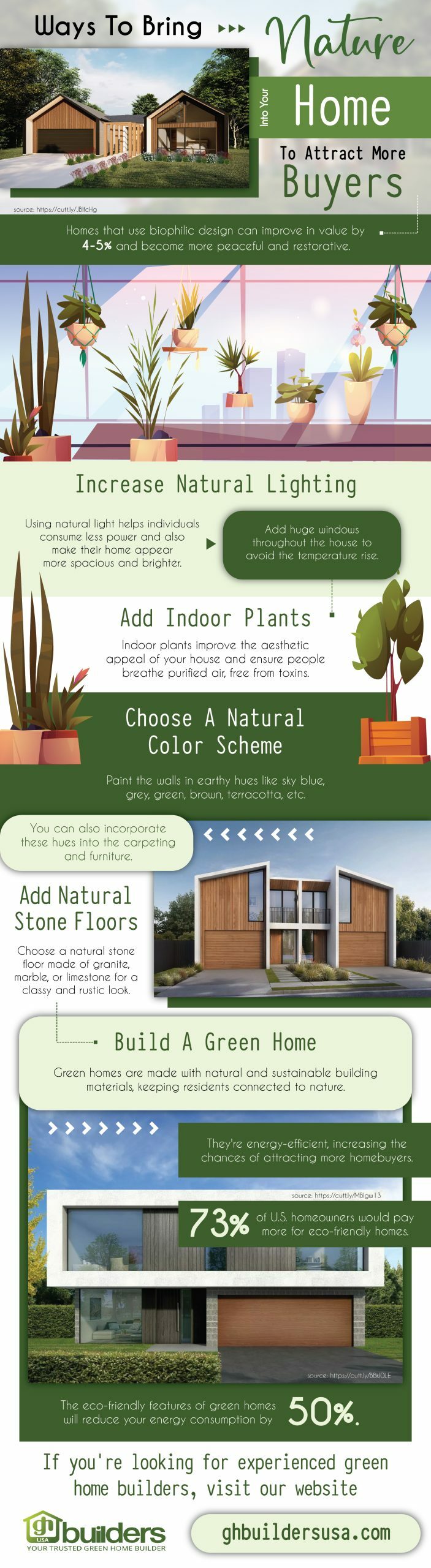
Atlanta homeowners are embracing green homes that combine stylish design, comfort, and long-term energy savings. With rising energy costs and a changing climate, energy-efficient homes in Atlanta are becoming a popular choice for families looking for smarter ways to build.

Modern sustainable home designs focus on features that improve comfort and reduce energy consumption. High-performance insulation, energy-efficient windows, smart home technology, and advanced HVAC systems help maintain comfortable indoor temperatures throughout Atlanta’s hot and humid summers.

Passive solar design is also transforming the way homes are built in Atlanta. By maximising natural light, ventilation, and solar positioning, homeowners can enjoy healthier living spaces while lowering their monthly energy bills.

Choosing a green home builder in Atlanta allows homeowners to create a home that delivers modern style, improved efficiency, and long-term value. From eco-friendly materials to energy-saving features, today’s green homes are designed for the future.

Build a home that is comfortable, efficient, and sustainable with a design that suits Atlanta’s climate and lifestyle.

Best Home Features for Houston Summers

Best Home Features for Houston Summers

Houston’s hot and humid climate makes energy-efficient home design more important than ever. Choosing the right home features can help homeowners stay comfortable while reducing cooling costs throughout the summer.

One of the most effective features is high-performance insulation, which helps keep heat out and cool air in. Energy-efficient windows with low-E glass can also reduce heat transfer and protect indoor spaces from intense sunlight.

A well-designed HVAC system, combined with smart thermostats, helps maintain consistent indoor temperatures while improving energy efficiency. Homes that incorporate passive solar design, shaded outdoor areas, and proper ventilation can further enhance comfort during Houston’s hottest months.

Many homeowners are also investing in solar-ready homes, energy-efficient appliances, and reflective roofing materials to lower energy consumption and improve long-term savings.

By incorporating these features, homeowners can enjoy a cooler, healthier, and more energy-efficient living environment while reducing their reliance on air conditioning during Houston summers.

Green Homes Design -Highclere

What’s New in American Home Design for 2026?

The American housing market continues to evolve as homeowners prioritize comfort, energy efficiency, technology, and long-term value. In 2026, home design is no longer just about aesthetics—it’s about creating living spaces that are smarter, healthier, more resilient, and more cost-effective to operate.

From advanced energy-saving features to flexible floor plans and climate-responsive construction, today’s homebuyers are looking for homes that can adapt to changing lifestyles while reducing ongoing expenses. Here are the top home design trends shaping American homes in 2026.

Energy Efficiency Becomes the New Standard

One of the biggest shifts in home design is the growing demand for energy-efficient homes. Rising utility costs have encouraged homeowners to seek features that reduce energy consumption without sacrificing comfort.

Many new homes now include:

  • High-performance insulation
  • Energy-efficient windows and doors
  • Advanced air sealing techniques
  • Energy-saving HVAC systems
  • Solar-ready roof designs

These features help homeowners maintain comfortable indoor temperatures year-round while lowering monthly energy bills.

Smart Home Technology Continues to Advance

Smart homes are becoming increasingly sophisticated and user-friendly. In 2026, technology is integrated into nearly every aspect of home design, giving homeowners greater control over their living environment.

Popular smart home features include:

  • Automated lighting systems
  • Smart thermostats
  • Voice-controlled devices
  • Advanced security systems
  • Energy monitoring technology
  • Smart appliances

These innovations improve convenience, increase security, and help homeowners manage energy usage more effectively.

Flexible Floor Plans Are in High Demand

The way Americans use their homes has changed significantly over the past few years. Homeowners now want spaces that can serve multiple purposes and adapt as their needs evolve.

Modern floor plans often include:

  • Dedicated home offices
  • Multi-purpose rooms
  • Flexible guest spaces
  • Learning and study areas
  • Fitness and wellness rooms

This adaptability allows homeowners to maximize functionality without increasing the overall size of the home.

Health and Wellness Are Influencing Design Decisions

Today’s buyers are paying closer attention to how their homes impact their health and well-being. As a result, wellness-focused design has become a major trend in residential construction.

Key features include:

  • Improved indoor air quality systems
  • Enhanced ventilation
  • Large windows for natural light
  • Low-VOC building materials
  • Moisture control systems

These design elements help create healthier indoor environments while improving comfort and livability.

Climate-Resilient Homes Are Gaining Popularity

As weather patterns become increasingly unpredictable, homeowners are looking for homes that can better withstand environmental challenges.

Climate-resilient design strategies may include:

  • Durable exterior materials
  • Storm-resistant construction techniques
  • Water management systems
  • Impact-resistant windows
  • Enhanced roof systems

These features can help protect homes while reducing maintenance and repair costs over time.

Sustainability Remains a Major Priority

Sustainable building practices continue to influence home design across the United States. More buyers are seeking environmentally responsible homes that reduce their carbon footprint and operating costs.

Popular sustainable features include:

  • Solar-ready designs
  • Energy-efficient appliances
  • Water-saving fixtures
  • Sustainable building materials
  • Efficient landscaping solutions

These features support long-term environmental goals while providing practical financial benefits for homeowners.

Outdoor Living Spaces Continue to Expand

Outdoor living remains one of the most requested features among American homebuyers. Homeowners increasingly view outdoor areas as an extension of their indoor living space.

Popular outdoor design trends include:

  • Covered patios
  • Outdoor kitchens
  • Fire pit gathering areas
  • Flexible entertainment spaces
  • Integrated landscaping

Well-designed outdoor areas provide additional living space and create opportunities for year-round enjoyment.

Simplicity and Functionality Drive Interior Design

Homeowners are moving away from overly complex layouts and focusing on practical, timeless design. Clean lines, functional spaces, and durable materials are becoming more desirable than short-lived design trends.

Key characteristics include:

  • Open but purposeful layouts
  • Minimalist design elements
  • Durable finishes
  • Neutral color palettes
  • Smart storage solutions

This approach creates homes that remain attractive and functional for years to come.

The Future of American Home Design

The home design trends of 2026 reflect a growing focus on performance, comfort, sustainability, and adaptability. Homeowners want homes that not only look great but also support healthier lifestyles, lower operating costs, and greater resilience in the years ahead.

At GH Builders USA, we understand how modern homebuyers’ needs are evolving. That’s why we design and build high-performance homes that combine energy efficiency, innovative technology, and climate-responsive design to create comfortable, future-ready living spaces.

Ready to Build a Home Designed for the Future?

Contact GH Builders USA today to discover how our innovative home designs can help you build a smarter, more efficient, and more comfortable home for 2026 and beyond.

GH Builders Design - Jervis

What Makes a Green Home Builder Different from a Traditional Builder?

As more homeowners prioritize energy efficiency, sustainability, and long-term savings, green home building has become an increasingly popular choice. While both traditional builders and green home builders construct quality homes, their approach, materials, and overall goals can be quite different.

Understanding these differences can help you make an informed decision when choosing the right builder for your new home.

A Focus on Energy Efficiency

One of the biggest distinctions between a green home builder and a traditional builder is the emphasis on energy performance.

Green home builders design homes to use less energy without sacrificing comfort. They carefully consider factors such as insulation, air sealing, window placement, and heating and cooling systems to create homes that maintain comfortable indoor temperatures throughout the year.

Traditional builders may meet minimum building code requirements, while green home builders often go beyond those standards to improve efficiency and reduce energy consumption.

Sustainable Building Materials

Green home builders prioritize materials that have a lower environmental impact. This may include:

  • Recycled or reclaimed materials
  • Sustainably sourced timber
  • Low-VOC paints and finishes
  • Energy-efficient windows and doors
  • Durable materials designed for long-term performance

Traditional builders may focus primarily on cost and availability, whereas green builders evaluate both environmental impact and long-term value.

Better Indoor Air Quality

A green home is designed to support healthier living conditions.

Green home builders often use low-emission products and advanced ventilation systems that help reduce indoor pollutants, allergens, and moisture buildup. This creates a cleaner and healthier indoor environment for homeowners and their families.

Traditional construction methods may not place the same level of importance on indoor air quality, especially when selecting building materials and ventilation systems.

Water Efficiency Measures

Water conservation is another key element of green home construction.

Green home builders frequently incorporate features such as:

  • Water-efficient fixtures
  • Smart irrigation systems
  • Rainwater collection options
  • Drought-tolerant landscaping designs

These features help homeowners reduce water consumption and lower utility costs over time.

Whole-Home Performance Approach

Traditional builders often focus on individual building components. Green home builders, however, take a whole-home approach.

Every element of the home is designed to work together efficiently. Insulation, ventilation, windows, roofing, appliances, and mechanical systems are carefully selected and integrated to maximize performance.

This comprehensive strategy helps create homes that are more comfortable, durable, and energy-efficient.

Long-Term Cost Savings

While some green building features may require a higher upfront investment, they often provide significant long-term savings.

Homeowners can benefit from:

  • Lower energy bills
  • Reduced water costs
  • Fewer maintenance requirements
  • Increased durability of building materials
  • Potentially higher resale value

Green home builders focus on lifetime value rather than simply minimizing initial construction costs.

Commitment to Sustainability

Green builders are dedicated to reducing the environmental impact of residential construction. This includes minimizing waste during the building process, sourcing responsible materials, and incorporating technologies that reduce resource consumption throughout the life of the home.

Their goal is to create homes that are not only comfortable and attractive but also environmentally responsible.

Future-Ready Home Design

As energy standards continue to evolve, green home builders often design homes with the future in mind. Many green homes are prepared for technologies such as:

  • Solar power systems
  • Battery storage solutions
  • Electric vehicle charging stations
  • Smart home energy management systems

This future-focused approach helps homeowners adapt to changing energy needs and sustainability trends.

Conclusion

The difference between a green home builder and a traditional builder goes far beyond the materials used during construction. Green home builders focus on energy efficiency, sustainability, healthier indoor environments, water conservation, and long-term performance.

For homeowners looking to reduce utility costs, improve comfort, and minimize environmental impact, partnering with a green home builder can provide lasting benefits. By taking a whole-home approach and prioritizing efficiency at every stage of construction, green builders create homes designed for the needs of today and the future.

Why Green Homes Stay More Comfortable in Every Season

Why Green Homes Stay More Comfortable in Every Season

Modern homeowners want more than just a beautiful house—they want a home that feels comfortable year-round without relying heavily on heating and cooling systems. That’s where green homes stand out. Designed with energy efficiency, smart building practices, and sustainability in mind, green homes maintain a more stable indoor environment through every season.

At GH Builders USA, we understand that true comfort comes from thoughtful design. Here’s why green homes consistently outperform traditional homes when it comes to year-round living comfort.

What Makes a Green Home Different?

A green home is designed to work with the environment rather than against it. Through advanced construction techniques, quality insulation, energy-efficient materials, and smart home design, green homes reduce temperature fluctuations and create healthier indoor living spaces.

Instead of constantly battling the weather outside, green homes help maintain comfortable indoor conditions naturally.

Better Insulation Keeps Temperatures Stable

One of the biggest reasons green homes stay comfortable is superior insulation.

Traditional homes often experience heat loss during winter and unwanted heat gain during summer. Green homes use high-performance insulation throughout walls, ceilings, and floors to create an effective thermal barrier.

Benefits include:

  • Warmer interiors during colder months
  • Cooler indoor temperatures during summer
  • Reduced drafts and cold spots
  • Lower reliance on heating and cooling systems

This consistent thermal performance helps maintain comfort regardless of outdoor conditions.

High-Performance Windows Improve Year-Round Comfort

Windows play a major role in indoor temperature control.

Green homes typically feature double or triple-glazed windows with advanced coatings that minimize heat transfer. These windows allow natural light to enter while reducing unwanted heat gain or loss.

Advantages include:

  • Improved indoor temperature stability
  • Reduced glare
  • Better noise reduction
  • Enhanced natural lighting

The result is a brighter, more comfortable living environment throughout the year.

Smart Home Orientation Maximizes Natural Energy

Green homes are often designed with careful consideration of the home’s position on the block.

Known as passive solar design, this approach maximizes natural sunlight during cooler months while minimizing excessive heat during warmer seasons.

Key benefits include:

  • More natural warmth in winter
  • Less overheating in summer
  • Reduced energy consumption
  • Improved indoor comfort

By utilizing the sun’s natural energy, homeowners enjoy a more balanced indoor climate year-round.

Improved Air Sealing Eliminates Drafts

Small gaps and cracks around doors, windows, and building materials can significantly impact comfort.

Green homes use advanced air-sealing techniques to reduce unwanted air leakage. This creates a more controlled indoor environment and prevents outdoor temperatures from affecting indoor comfort.

Benefits include:

  • Fewer drafts
  • More even temperatures between rooms
  • Improved energy efficiency
  • Better indoor air quality

Homeowners often notice a significant difference in overall comfort compared to older or conventionally built homes.

Better Indoor Air Quality

Comfort isn’t just about temperature—it’s also about the air you breathe.

Green homes often incorporate:

  • Mechanical ventilation systems
  • Air filtration technologies
  • Low-emission building materials
  • Moisture control solutions

These features help reduce pollutants, allergens, and excess humidity while maintaining fresh airflow throughout the home.

The result is a healthier, more comfortable living environment for families in every season.

Energy-Efficient Heating and Cooling Systems

When heating or cooling is needed, green homes use highly efficient systems designed to maintain consistent temperatures with less energy.

Modern systems can:

  • Respond more effectively to temperature changes
  • Maintain even comfort levels
  • Reduce operating costs
  • Improve overall home performance

Combined with efficient building design, these systems work less while delivering greater comfort.

Reduced Humidity Issues

Humidity can significantly affect how comfortable a home feels.

Green homes are designed to better manage moisture levels through proper ventilation, insulation, and building envelope performance.

This helps prevent:

  • Damp indoor conditions
  • Excess condensation
  • Mold growth
  • Uncomfortable humidity swings

Balanced humidity levels contribute to a more pleasant living environment throughout the year.

Lower Energy Bills Without Sacrificing Comfort

Many homeowners assume that staying comfortable requires higher energy usage. Green homes prove otherwise.

Because they naturally maintain more stable temperatures, homeowners often enjoy:

  • Lower heating costs during winter
  • Reduced cooling expenses during summer
  • Greater energy efficiency
  • Long-term savings

Comfort and affordability can work together when a home is designed efficiently from the start.

Why More Homeowners Are Choosing Green Homes

As energy costs continue to rise, homeowners are increasingly seeking homes that provide year-round comfort without excessive utility bills.

Green homes offer:

  • Consistent indoor temperatures
  • Improved air quality
  • Enhanced energy efficiency
  • Reduced environmental impact
  • Lower operating costs

These advantages make green home design an attractive choice for families looking to invest in long-term comfort and sustainability.

Build a More Comfortable Home with GH Builders USA

A truly comfortable home should perform well in every season. Through smart design, energy-efficient materials, and sustainable building practices, green homes create healthier, more comfortable living environments year-round.

At GH Builders USA, we help homeowners build energy-efficient homes that deliver lasting comfort, lower energy costs, and exceptional performance in every season. Contact our team today to learn how a green home can transform the way you live.

New Home Construction Houston: A Step-by-Step Guide

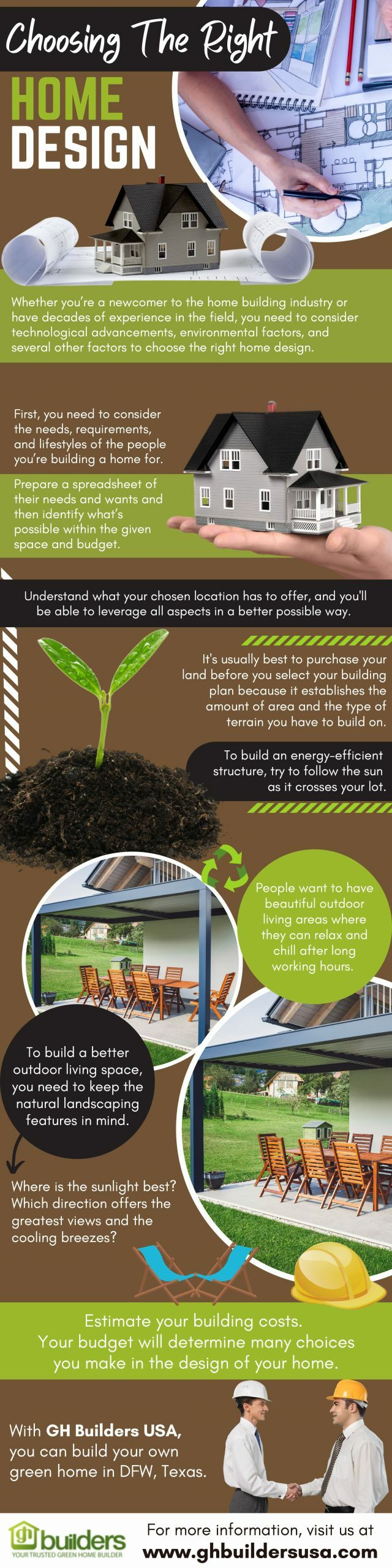
Building a new home is an exciting opportunity to create a space that fits your lifestyle, preferences, and future needs. Whether you’re building your first home or upgrading to your dream property, understanding the construction process can help you make informed decisions and avoid unnecessary stress.

If you’re planning a new home construction project in Houston, this step-by-step guide will walk you through the key stages, from initial planning to move-in day.

Step 1: Define Your Vision and Budget

Before construction begins, it’s important to establish your goals for the project. Consider factors such as:

  • Home size and layout
  • Number of bedrooms and bathrooms
  • Architectural style
  • Energy-efficient features
  • Smart home technology
  • Outdoor living spaces

At the same time, determine a realistic budget that includes construction costs, permits, design fees, landscaping, and contingency funds for unexpected expenses

Step 2: Choose the Right Location

Houston offers a wide range of neighborhoods and communities, each with unique benefits. When selecting a lot, consider:

  • Proximity to work and schools
  • Access to shopping and amenities
  • Future development plans
  • Flood zones and drainage considerations
  • Property size and orientation

Choosing the right location is one of the most important decisions in the home-building process.

Step 3: Partner With an Experienced Home Builder

Selecting a reputable home builder can make all the difference in your construction experience. Look for a builder with:

  • Proven experience in Houston
  • Strong client reviews and testimonials
  • Transparent pricing and contracts
  • Knowledge of local building codes
  • Quality craftsmanship

A trusted builder will guide you through each phase of the project and help ensure your home is built to the highest standards.

Step 4: Design Your New Home

The design phase transforms your ideas into detailed plans. During this stage, you’ll work with designers and builders to finalize:

  • Floor plans
  • Exterior elevations
  • Interior layouts
  • Material selections
  • Energy-efficient upgrades
  • Storage solutions

This is also the ideal time to incorporate features that can enhance comfort, functionality, and long-term value.

Step 5: Secure Permits and Approvals

Before construction can begin, the necessary permits and approvals must be obtained. Depending on the location and scope of the project, requirements may include:

  • Building permits
  • Site approvals
  • Utility connections
  • Environmental compliance

An experienced builder will typically handle much of this process on your behalf, ensuring all regulations are met.

Step 6: Site Preparation and Foundation Work

Once permits are approved, construction begins with site preparation. This stage typically includes:

  • Clearing and grading the land
  • Establishing drainage systems
  • Preparing utility connections
  • Pouring the foundation

A strong foundation is essential for the structural integrity and longevity of your new home.

Step 7: Framing and Structural Construction

Framing creates the skeleton of your home. During this phase, contractors construct:

  • Exterior walls
  • Roof structure
  • Interior walls
  • Windows and door openings

As the frame takes shape, you’ll begin to see your home’s design come to life.

Step 8: Install Essential Systems

After framing is complete, contractors install critical systems, including:

  • Plumbing
  • Electrical wiring
  • HVAC systems
  • Insulation

These components are carefully inspected to ensure they meet local building standards and safety requirements.

Step 9: Interior and Exterior Finishes

This is one of the most exciting stages of the project. Interior and exterior finishes begin to transform the structure into a completed home.

Common finishing work includes:

  • Flooring installation
  • Cabinetry and countertops
  • Interior painting
  • Lighting fixtures
  • Exterior siding and brickwork
  • Landscaping preparation

Attention to detail during this stage helps create a polished and personalized living space.

Step 10: Final Inspections and Walkthrough

Before receiving the keys, the home must pass final inspections. Your builder will also conduct a walkthrough with you to review:

  • Completed work
  • Home systems and operations
  • Warranty information
  • Any final adjustments or touch-ups

This ensures everything meets expectations before move-in day.

Step 11: Move Into Your New Houston Home

Once inspections are complete and the final paperwork is signed, it’s time to move into your new home. You’ll be able to enjoy a space designed specifically for your family’s needs, with modern features, energy-efficient systems, and quality construction built to last.

Why Build a New Home in Houston?

Houston continues to be one of the fastest-growing cities in the country, offering strong economic opportunities, diverse communities, and a relatively affordable housing market. New home construction allows homeowners to:

  • Personalize their living space
  • Incorporate modern technology
  • Improve energy efficiency
  • Reduce maintenance costs
  • Increase long-term property value

With the right planning and an experienced builder, constructing a new home can be a rewarding investment for years to come.

Start Your New Home Construction Journey

Building a new home in Houston is a significant milestone, but understanding the process can make it far more manageable. From selecting the perfect lot to completing the final walkthrough, each step plays a vital role in creating a home that reflects your vision and lifestyle.

Partnering with a trusted Houston home builder can help ensure a smooth construction experience and deliver a home that meets your expectations today and into the future.

Smart Home Technology and Energy Savings for Atlanta Residents

As energy costs continue to rise, many homeowners in Atlanta are looking for practical ways to reduce utility bills while improving comfort and convenience. Smart home technology has become one of the most effective solutions, allowing homeowners to monitor, manage, and optimize energy use throughout their homes.

From smart thermostats to automated lighting systems, today’s technology makes it easier than ever to create an energy-efficient home. Here’s how Atlanta residents can use smart home technology to save energy and lower household expenses.

Why Smart Home Technology Matters

Smart home technology connects devices and systems through the internet, enabling homeowners to control and automate various functions using smartphones, tablets, or voice assistants. These systems can help reduce energy waste by ensuring that heating, cooling, lighting, and appliances operate only when needed.

For Atlanta homeowners, where hot summers and fluctuating seasonal temperatures can drive up energy costs, smart technology offers significant opportunities for savings.

Smart Thermostats: The Biggest Energy Saver

Heating and cooling typically account for the largest portion of a home’s energy consumption. Smart thermostats help homeowners manage HVAC systems more efficiently by:

  • Learning daily routines and preferences
  • Automatically adjusting temperatures based on occupancy
  • Providing energy usage reports
  • Allowing remote control through mobile apps

By optimizing heating and cooling schedules, homeowners can reduce unnecessary energy use while maintaining indoor comfort.

Smart Lighting Systems

Traditional lighting often remains on longer than necessary, leading to wasted electricity. Smart lighting solutions can help by:

  • Automatically turning lights on and off
  • Adjusting brightness based on natural daylight
  • Creating customized schedules
  • Allowing remote control from anywhere

LED smart bulbs also consume significantly less energy than traditional incandescent bulbs, providing additional savings over time.

Smart Appliances Improve Efficiency

Modern smart appliances are designed to use energy more efficiently while offering greater convenience. Examples include:

  • Smart refrigerators that monitor energy usage
  • Smart washing machines with optimized water and energy settings
  • Smart dishwashers that operate during off-peak energy periods
  • Smart water heaters that heat water only when needed

These appliances help reduce both energy consumption and utility costs.

Energy Monitoring Systems

One of the most valuable smart home features is real-time energy monitoring. These systems provide insights into:

  • Which appliances consume the most energy
  • Daily and monthly electricity usage
  • Potential areas of waste
  • Opportunities for improving efficiency

By understanding where energy is being used, homeowners can make informed decisions that lead to meaningful savings.

Smart Window Coverings and Shades

Atlanta’s warm climate means cooling costs can become expensive during the summer months. Automated blinds and shades can help regulate indoor temperatures by:

  • Blocking heat during peak sunlight hours
  • Opening to allow natural light when beneficial
  • Working alongside smart thermostats for greater efficiency

This combination can reduce air conditioning demands and improve overall home comfort.

Smart Irrigation Systems

Outdoor water use can significantly impact utility bills. Smart irrigation systems use weather data and soil conditions to optimize watering schedules.

Benefits include:

  • Reduced water waste
  • Healthier landscaping
  • Lower water bills
  • Automated scheduling based on local weather conditions

For Atlanta homeowners maintaining lawns and gardens, these systems offer both environmental and financial benefits.

Integration with Solar Energy Systems

Many Atlanta residents are exploring renewable energy solutions such as solar panels. Smart home technology can enhance these investments by:

  • Monitoring solar energy production
  • Tracking energy consumption patterns
  • Optimizing appliance usage during peak solar generation
  • Maximizing overall energy efficiency

When combined with solar power, smart technology can significantly reduce reliance on traditional energy sources.

Financial Benefits of Smart Home Technology

While smart home devices require an initial investment, the long-term savings often outweigh the upfront costs. Homeowners may benefit from:

  • Lower monthly utility bills
  • Reduced HVAC operating costs
  • Improved appliance efficiency
  • Increased property value
  • Greater control over household energy consumption

Over time, these savings can add up substantially, making smart home upgrades a worthwhile investment.

The Future of Energy-Efficient Homes in Atlanta

As technology continues to advance, smart homes are becoming a standard feature in modern residential construction. Builders and homeowners alike are increasingly prioritizing energy-efficient systems that deliver comfort, convenience, and sustainability.

For Atlanta residents, integrating smart home technology is one of the most effective ways to reduce energy costs, improve home performance, and prepare for a more sustainable future.

Conclusion

Smart home technology offers Atlanta homeowners a practical path toward lower energy bills and greater household efficiency. From intelligent thermostats and lighting systems to smart appliances and energy monitoring tools, these innovations help reduce waste while enhancing everyday living.

Whether you’re building a new home or upgrading your current property, investing in smart home technology can provide lasting savings, improved comfort, and a more energy-efficient lifestyle.

Energy-Efficient Home

Top Features Every New Green Home Should Include in 2026

As energy costs continue to rise and environmental awareness grows, more homeowners are prioritizing sustainability when building a new home. In 2026, green homes are no longer a niche option—they are becoming the standard for comfortable, cost-effective, and future-ready living.

Whether you’re planning a custom build or designing your dream home from the ground up, incorporating energy-efficient and environmentally friendly features can help reduce household expenses, improve comfort, and increase long-term property value.

Here are the top features every new green home should include in 2026.

1. High-Performance Insulation

A well-insulated home is one of the most effective ways to improve energy efficiency. High-performance insulation helps maintain indoor temperatures by reducing heat transfer through walls, ceilings, and floors.

Benefits include:

  • Lower heating and cooling costs
  • Improved indoor comfort
  • Reduced energy consumption
  • Better year-round temperature control

Quality insulation allows homeowners to rely less on heating and cooling systems, resulting in significant energy savings over time.

2. Energy-Efficient Windows and Doors

Windows and doors play a major role in a home’s energy performance. Modern double-glazed or triple-glazed windows help prevent heat loss during winter and reduce heat gain during summer.

Look for:

  • Double or triple glazing
  • Low-emissivity (Low-E) coatings
  • Thermally efficient frames
  • Proper sealing to prevent drafts

These features can improve comfort while reducing reliance on air conditioning and heating systems.

3. Solar Power Systems

Solar energy continues to be one of the most valuable additions to a green home. Advances in solar technology have made systems more affordable and efficient than ever before.

Benefits of solar panels include:

  • Reduced electricity bills
  • Lower carbon footprint
  • Greater energy independence
  • Increased property value

Many homeowners are also pairing solar systems with battery storage solutions to maximize energy savings and resilience.

4. Smart Home Energy Management

Technology is helping homeowners manage energy use more effectively. Smart home systems can monitor and optimize electricity consumption throughout the home.

Popular smart features include:

  • Smart thermostats
  • Energy monitoring systems
  • Automated lighting controls
  • Smart appliances
  • Remote device management

These technologies help reduce waste and improve overall energy efficiency.

5. Energy-Efficient Heating and Cooling Systems

Heating and cooling account for a large portion of household energy use. Modern green homes are designed with highly efficient HVAC systems that deliver comfort while minimizing energy consumption.

Recommended options include:

  • Reverse-cycle heat pumps
  • Zoned heating and cooling
  • High-efficiency air conditioning units
  • Smart climate control systems

Efficient systems not only lower utility bills but also contribute to a healthier indoor environment.

6. Water-Saving Fixtures and Systems

Sustainability extends beyond energy efficiency. Water conservation is becoming increasingly important in modern home design.

Features to consider include:

  • Low-flow taps and showerheads
  • Dual-flush toilets
  • Rainwater harvesting systems
  • Water-efficient appliances
  • Smart irrigation systems

These upgrades help reduce water usage while lowering utility costs.

7. Sustainable Building Materials

The materials used in construction can have a significant impact on a home’s environmental footprint. Sustainable materials often require less energy to produce and offer greater durability.

Popular sustainable options include:

  • Recycled building materials
  • Sustainably sourced timber
  • Low-VOC paints and finishes
  • Recycled steel products
  • Eco-friendly flooring materials

Choosing sustainable materials supports environmentally responsible construction practices.

8. Passive Solar Design

Passive solar design takes advantage of natural sunlight, shading, and airflow to improve a home’s energy efficiency.

Key elements include:

  • Strategic home orientation
  • Optimized window placement
  • Natural ventilation
  • Thermal mass materials
  • Effective shading solutions

These design principles help reduce heating and cooling demands throughout the year.

9. Electric Vehicle Charging Capability

As electric vehicle adoption continues to grow, new homes should be prepared for future transportation needs.

Installing EV charging infrastructure during construction offers:

  • Convenience for homeowners
  • Future-proofing for changing vehicle trends
  • Increased property appeal
  • Reduced installation costs compared to retrofitting later

Many buyers now view EV readiness as an important feature when purchasing a home.

10. Healthy Indoor Air Quality Solutions

Green homes are designed to be energy efficient while also promoting healthier living environments.

Features that improve indoor air quality include:

  • Mechanical ventilation systems
  • Air filtration technology
  • Non-toxic building materials
  • Moisture control systems
  • Natural ventilation design

Improved air quality can contribute to greater comfort and overall wellbeing for occupants.

Building a green home in 2026 is about creating a property that is efficient, comfortable, and prepared for the future. Features such as solar power, high-performance insulation, smart energy management systems, sustainable materials, and water-saving technologies can significantly improve a home’s performance while reducing ongoing costs.

By including these essential green home features in your new build, you can enjoy a more sustainable lifestyle while benefiting from lower utility bills, enhanced comfort, and long-term savings for years to come.

GH Builders USA - Barrington

Why Choosing the Right Sustainable House Plan Matters

Building a new home is one of the most significant investments a person can make. While many homeowners focus on finishes, fixtures, and aesthetics, the foundation of a successful home begins with choosing the right house plan. A well-designed sustainable house plan does more than determine the layout of your home—it influences energy efficiency, comfort, construction costs, and long-term property value.

Selecting a sustainable house plan from the start can help homeowners create a living space that meets their needs today while preparing for the future.

A House Plan Shapes Your Daily Living Experience

The layout of your home affects how you live every day. The right house plan considers factors such as family size, lifestyle, work-from-home needs, entertaining spaces, and future growth.

Sustainable house plans are designed to maximize functionality while reducing wasted space. Open living areas, well-positioned windows, and flexible room layouts can improve comfort and make the home more enjoyable to live in for years to come.

By choosing a plan that aligns with your lifestyle, you can avoid costly renovations and modifications later.

Lower Energy Costs from Day One

One of the biggest advantages of a sustainable house plan is improved energy efficiency. Modern sustainable designs incorporate features that help reduce heating and cooling demands, resulting in lower utility bills.

These features may include:

  • High-performance insulation
  • Energy-efficient windows and doors
  • Strategic home orientation
  • Natural lighting design
  • Efficient heating and cooling systems
  • Solar-ready roof designs

When these elements are integrated into the house plan from the beginning, homeowners can enjoy ongoing savings throughout the life of the home.

Enhanced Comfort Throughout the Year

Comfort is about more than temperature. A sustainable home is designed to maintain a consistent indoor environment regardless of seasonal changes.

Proper insulation, ventilation, and passive design strategies help reduce drafts, hot spots, and excessive humidity. This creates a healthier and more comfortable living environment for everyone in the household.

A well-planned sustainable home can also improve indoor air quality, helping families enjoy a cleaner and healthier space.

Better Long-Term Financial Value

Homebuyers are increasingly looking for energy-efficient and environmentally responsible homes. As sustainability becomes more important in the housing market, homes built with sustainable design principles often attract greater interest and may command higher resale values.

Choosing a sustainable house plan is not just about reducing energy consumption—it is also an investment in the future marketability of your property.

Features that improve efficiency today can become major selling points tomorrow.

Reduce Construction Changes and Unexpected Costs

Many homeowners underestimate the cost of making design changes once construction begins. Modifying layouts, relocating utilities, or adjusting structural elements can quickly increase building expenses.

Selecting the right sustainable house plan before construction starts helps minimize these issues. A professionally designed plan provides a clear roadmap for builders, helping streamline the construction process and reduce the likelihood of costly changes.

This can save both time and money while helping keep the project on schedule.

Build for the Future

A sustainable house plan takes future needs into account. Whether it’s accommodating a growing family, preparing for changing energy standards, or incorporating renewable energy systems, sustainable designs provide flexibility and adaptability.

Many sustainable homes are designed with features such as:

  • Solar panel compatibility
  • Electric vehicle charging readiness
  • Smart home technology integration
  • Water-saving systems
  • Durable, low-maintenance materials

These features help ensure the home remains practical and valuable for decades to come.

Final Thoughts

Choosing the right sustainable house plan is one of the most important decisions in the home-building process. The right design can improve comfort, reduce energy costs, increase property value, and support a more sustainable lifestyle.

Rather than focusing solely on the appearance of a home, homeowners should consider how the plan will perform over time. A thoughtfully designed sustainable house plan creates a strong foundation for a home that is efficient, comfortable, and built to meet the needs of the future.

By investing in the right plan today, homeowners can enjoy lasting benefits for years to come.

How Green Homes Help Houston Families Reduce Energy Costs

How Green Homes Help Houston Families Reduce Energy Costs

Houston homeowners face rising energy bills due to hot summers, high humidity, and increased demand for air conditioning. As utility costs continue to climb, many families are turning to green homes as a practical way to reduce energy consumption and save money. Designed with sustainability and efficiency in mind, green homes offer long-term financial benefits while creating healthier and more comfortable living environments.

Understanding Green Homes

A green home is designed and built to minimize energy use, reduce environmental impact, and improve indoor comfort. These homes incorporate energy-efficient technologies, sustainable building materials, and smart design principles that work together to lower operating costs.

GH Builders USA - Sustainable Homes Are Rising Fast in the USA

For Houston families, where cooling expenses often account for a large portion of household energy bills, green home features can make a significant difference throughout the year.

Lower Cooling Costs Through Better Insulation

Houston’s warm climate means air conditioners often run for extended periods. Traditional homes can lose a substantial amount of cooled air through poorly insulated walls, roofs, and windows.

Green homes use:

  • High-performance insulation
  • Airtight construction methods
  • Energy-efficient windows and doors
  • Advanced weather sealing

These features help keep cool air inside and hot air outside, reducing the workload on HVAC systems and lowering monthly electricity bills.

Energy-Efficient HVAC Systems

Heating and cooling systems are among the largest energy consumers in any home. Green homes typically feature modern, energy-efficient HVAC systems that use less electricity while maintaining consistent indoor temperatures.

Benefits include:

  • Reduced energy consumption
  • Lower maintenance costs
  • Improved indoor comfort
  • Better humidity control

In Houston’s humid environment, efficient climate control can significantly decrease annual utility expenses.

Solar Power Helps Offset Electricity Usage

Many green homes incorporate solar panels to generate clean, renewable energy. Houston receives ample sunlight throughout the year, making solar energy an effective solution for homeowners looking to reduce reliance on the electrical grid.

Solar power can help:

  • Lower monthly electricity bills
  • Reduce exposure to rising energy prices
  • Increase home value
  • Support long-term sustainability goals

Over time, the savings generated by solar energy can offset installation costs and provide ongoing financial benefits.

Smart Home Technology Improves Efficiency

Modern green homes often include smart technology that allows homeowners to monitor and manage energy usage more effectively.

Examples include:

  • Smart thermostats
  • Automated lighting systems
  • Energy monitoring devices
  • Smart appliances

These technologies help families identify areas of energy waste and make adjustments that further reduce utility costs.

Efficient Lighting and Appliances

Green homes typically feature LED lighting and ENERGY STAR® certified appliances that consume significantly less electricity than conventional models.

Energy-efficient appliances can include:

  • Refrigerators
  • Dishwashers
  • Washing machines
  • Dryers
  • Water heaters

By reducing everyday energy consumption, homeowners can enjoy noticeable savings year after year.

Water Heating Savings

Water heating is another major contributor to household energy costs. Green homes often utilize heat pump water heaters or solar hot water systems that require less energy than traditional water heaters.

Benefits include:

  • Lower energy bills
  • Increased efficiency
  • Reduced environmental impact
  • Longer equipment lifespan

For larger families, these savings can add up substantially over time.

Long-Term Financial Benefits

While green homes may involve a higher upfront investment, the long-term savings often outweigh the initial costs. Reduced utility bills, lower maintenance expenses, and increased property values make green homes a smart financial choice for Houston homeowners.

Many buyers are also willing to pay more for homes that offer energy-efficient features, creating additional value when it comes time to sell.

Improved Comfort and Health

The benefits of green homes extend beyond energy savings. Better insulation, improved ventilation, and enhanced indoor air quality create healthier living environments for families.

Residents often experience:

  • More consistent indoor temperatures
  • Reduced drafts and hot spots
  • Better air quality
  • Increased overall comfort

These advantages contribute to a higher quality of life while supporting lower energy consumption.

Conclusion

Green homes offer Houston families a practical and effective way to reduce energy costs while improving comfort and sustainability. Through energy-efficient construction, advanced HVAC systems, solar power, smart technology, and high-performance insulation, homeowners can significantly lower their monthly utility bills and enjoy long-term financial savings.

As energy prices continue to rise, investing in a green home is becoming one of the smartest decisions Houston families can make for both their wallets and the environment.

Future-Proofing Against Rising Energy Costs

How Green Homes Increase Property Value in Atlanta

As Atlanta continues to grow, homebuyers are becoming more conscious of energy efficiency, sustainability, and long-term affordability. Green homes are no longer considered a niche option—they are increasingly becoming a preferred choice for homeowners who want lower utility bills, improved comfort, and a healthier living environment.

For homeowners and buyers in Atlanta, investing in a green home can provide significant financial benefits beyond energy savings. One of the most compelling advantages is the potential to increase property value.

What Is a Green Home?

A green home is designed and built to minimize environmental impact while maximizing energy efficiency and occupant comfort. These homes incorporate sustainable building practices, high-performance materials, and energy-saving technologies that reduce resource consumption over time.

Common green home features include:

  • High-performance insulation
  • Energy-efficient windows and doors
  • Solar-ready or solar-powered systems
  • Smart home energy management technology
  • Energy-efficient heating and cooling systems
  • Water-saving fixtures and appliances
  • Sustainable building materials

These features help create homes that are more comfortable, durable, and cost-effective to own.

Growing Demand for Sustainable Homes in Atlanta

Atlanta’s housing market has experienced strong growth in recent years, and buyers are increasingly seeking homes that offer long-term value. Rising energy costs and greater awareness of environmental issues have made energy-efficient homes more attractive than ever.

Why Choosing an Experienced Builder Leads to Better Results

Today’s buyers are looking beyond the purchase price. They want homes that can reduce monthly expenses, require less maintenance, and provide a healthier indoor environment. Green homes meet these expectations, making them highly desirable in the Atlanta market.

Lower Energy Costs Appeal to Buyers

One of the biggest factors driving property value is affordability. While a green home may have a higher initial construction cost, it often delivers substantial savings through reduced energy consumption.

Features such as superior insulation, efficient HVAC systems, and energy-saving appliances can significantly lower utility bills throughout the year. Prospective buyers recognize these ongoing savings and are often willing to pay more for a home that offers lower operating costs.

In Atlanta’s hot summers, energy-efficient cooling systems and well-designed building envelopes can make a noticeable difference in household expenses.

Enhanced Comfort and Indoor Living

Green homes are designed to maintain consistent indoor temperatures and improve air quality. Advanced insulation, proper ventilation, and energy-efficient windows help eliminate drafts, reduce noise, and create a more comfortable living environment.

Buyers increasingly value homes that support wellness and comfort. Features such as improved indoor air quality and temperature control can make a property stand out in a competitive market.

Increased Marketability

Homes with sustainable features often attract a wider range of buyers. Energy-efficient upgrades and green certifications can help a property differentiate itself from traditional homes.

When it’s time to sell, homeowners may benefit from:

  • Increased buyer interest
  • Faster sales timelines
  • Stronger negotiating positions
  • Higher perceived value

As sustainability becomes a more important factor in purchasing decisions, green homes continue to gain an advantage in the marketplace.

Durable and Low-Maintenance Construction

Green homes often utilize high-quality materials and construction methods designed for longevity. Durable roofing systems, moisture-resistant materials, and efficient building designs can help reduce maintenance and repair costs over time.
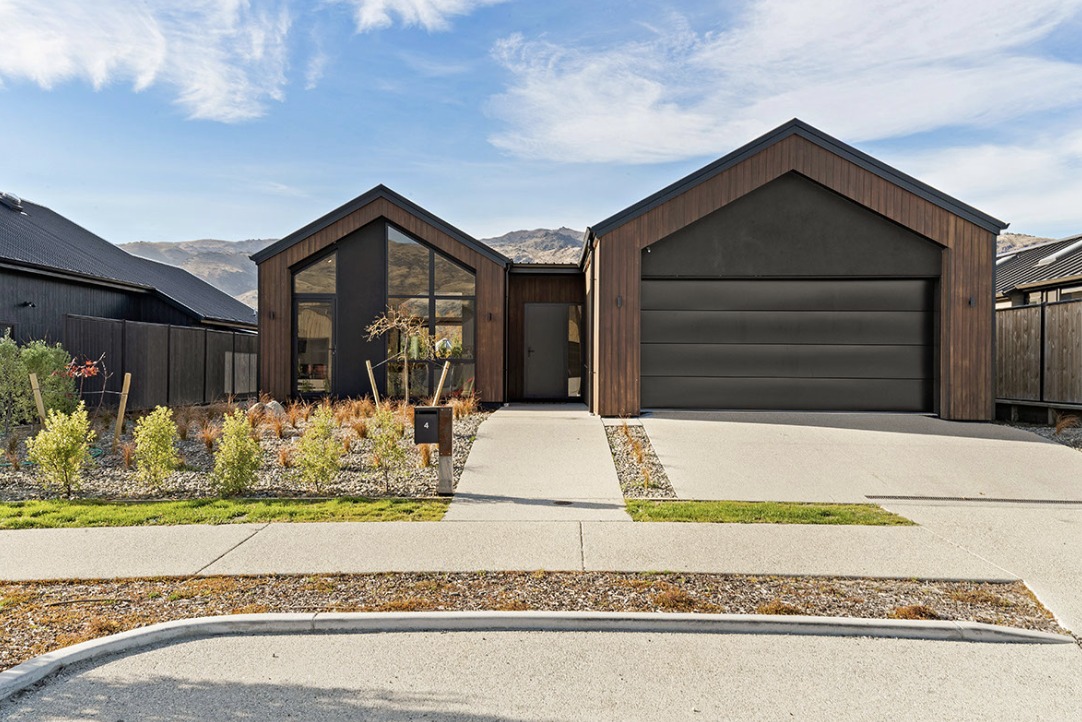
GH Builders USA Houston

For buyers, lower maintenance requirements translate into reduced ownership expenses and greater peace of mind. This added value can positively influence resale prices.

Future-Proofing Against Rising Energy Costs

Energy prices can fluctuate significantly over time. Homes designed with energy efficiency in mind are better positioned to withstand future increases in utility costs.

Future-Proofing Against Rising Energy Costs

Features such as solar readiness, advanced insulation, and smart energy management systems help homeowners maintain affordability for years to come. Buyers often view these advantages as a worthwhile investment, increasing the property’s appeal and value.

Environmental Benefits That Matter

Many Atlanta homebuyers are seeking ways to reduce their environmental footprint without sacrificing comfort or style. Green homes support sustainable living through reduced energy use, lower carbon emissions, and responsible resource management.

As environmental awareness continues to grow, homes that align with these values are likely to remain in demand and retain strong market appeal.

Why Atlanta Is Ideal for Green Home Construction

Atlanta’s climate presents unique opportunities for energy-efficient home design. Proper insulation, efficient cooling systems, and smart home technologies can significantly improve year-round comfort while reducing energy consumption.

With increasing demand for sustainable housing and a growing focus on energy efficiency, Atlanta homeowners are well-positioned to benefit from green home construction both today and in the future.

GH Builders Congress

Green homes offer far more than environmental benefits. They provide lower operating costs, enhanced comfort, improved durability, and stronger buyer appeal—all factors that can contribute to increased property value.

For Atlanta homeowners and prospective buyers, investing in a green home is a smart long-term strategy that delivers financial, lifestyle, and environmental advantages. As the demand for sustainable living continues to grow, green homes are likely to remain one of the most valuable investments in Atlanta’s evolving housing market.

Why Choosing an Experienced Builder Leads to Better Results

Why Choosing an Experienced Builder Leads to Better Results

Selecting the right builder is one of the most important decisions in any construction project. Whether it involves residential development, renovations, or custom builds, the experience level of your builder has a direct impact on quality, timelines, cost efficiency, and long-term value.

Working with established professionals such as GH Builders USA ensures that projects are delivered with structured processes, technical expertise, and a strong focus on compliance and quality standards.

1. Strong Project Planning and Execution

Experienced builders bring refined systems for managing complex construction workflows. This includes:

  • Accurate project scoping and budgeting
  • Realistic timelines based on past delivery experience
  • Coordinated scheduling of trades and materials
  • Early identification of potential risks

This level of planning reduces delays and helps ensure smoother project execution from start to finish.

2. Higher Construction Quality Standards

Quality outcomes are strongly influenced by the builder’s technical expertise and attention to detail. Experienced teams typically provide:

  • Proven construction methodologies
  • Better material selection guidance
  • Compliance with building codes and safety standards
  • Consistent workmanship across all stages

This results in durable structures with fewer defects and reduced maintenance requirements over time.

3. Cost Efficiency Through Expertise

While experienced builders may not always be the cheapest option upfront, they often deliver better overall value by reducing unnecessary expenses such as:

  • Cost overruns due to poor planning
  • Rework caused by construction errors
  • Inefficient material usage
  • Delays that increase labour costs

Their ability to anticipate challenges leads to more accurate budgeting and fewer financial surprises.

4. Strong Industry Relationships

Established builders maintain long-term relationships with suppliers, subcontractors, and consultants. This provides advantages such as:

  • Access to reliable tradespeople
  • Competitive material pricing
  • Faster procurement of resources
  • Improved coordination across teams

These relationships contribute to smoother project delivery and better overall efficiency.

5. Better Compliance and Risk Management

Construction projects must comply with strict regulations and safety standards. Experienced builders are well-versed in:

  • Local building codes and approvals
  • Workplace safety requirements
  • Environmental and sustainability considerations
  • Insurance and liability management

This reduces the likelihood of legal or regulatory issues during and after construction.

6. Improved Communication and Project Transparency

Clear communication is essential for successful project outcomes. Experienced builders typically offer:

  • Structured progress reporting
  • Clear documentation and contracts
  • Defined communication channels
  • Regular updates throughout the build

This transparency helps clients stay informed and confident throughout the project lifecycle.

7. Long-Term Value and Property Performance

A well-executed build contributes to long-term property performance, including:

  • Increased structural durability
  • Better energy efficiency
  • Higher resale value
  • Reduced maintenance costs

Choosing an experienced builder helps ensure the property remains an asset rather than becoming a liability.

Conclusion

The experience of a builder plays a critical role in determining the success of any construction project. From planning and execution to compliance and long-term value, seasoned professionals deliver measurable advantages that go beyond initial cost considerations.

Partnering with a trusted and experienced construction team such as GH Builders USA can significantly improve project outcomes, ensuring quality, efficiency, and long-term performance.

Atlanta’s Shift Toward Energy-Efficient Green Homes

Healthy Home Features Houston Families Want in 2026

A healthy home is about more than energy efficiency and attractive design. For many Houston families, indoor air quality has become a top priority when building a new home. Since people spend a significant amount of time indoors, the quality of the air inside a home can directly impact comfort, health, and overall well-being.

Houston’s warm, humid climate presents unique challenges when it comes to maintaining healthy indoor air. Excess moisture, allergens, pollutants, and poor ventilation can all affect indoor environments. That’s why modern homebuyers are increasingly looking for homes designed with advanced indoor air quality features.

Why Indoor Air Quality Matters

Indoor air can contain a variety of contaminants, including:

  • Dust and dust mites
  • Pollen and outdoor allergens
  • Pet dander
  • Mold spores
  • Volatile Organic Compounds (VOCs)
  • Household chemicals and cleaning products

Poor indoor air quality can contribute to allergies, respiratory irritation, headaches, and discomfort. Families with young children, seniors, or individuals with asthma often place even greater importance on creating a healthier indoor environment.

Advanced Ventilation Systems

One of the most sought-after features in healthy homes is proper ventilation. Modern airtight homes are highly energy-efficient, but they also require effective systems to bring in fresh air while removing stale indoor air.

Mechanical ventilation systems help:

  • Improve airflow throughout the home
  • Reduce indoor pollutants
  • Control humidity levels
  • Deliver a steady supply of fresh outdoor air

GH Builders USA

Balanced ventilation solutions can improve indoor comfort while maintaining energy efficiency.

High-Performance Air Filtration

Houston homeowners are increasingly interested in advanced air filtration systems that go beyond standard HVAC filters.

High-performance filtration can help remove:

  • Airborne dust particles
  • Pollen and allergens
  • Pet dander
  • Fine particulate matter

Better filtration supports cleaner indoor air and can be particularly beneficial during allergy seasons when outdoor pollen levels are high.

Humidity Control for Houston’s Climate

Houston’s humid weather creates conditions that can encourage mold growth and moisture-related issues if not properly managed.

Effective humidity control helps:

  • Reduce mold and mildew risks
  • Improve indoor comfort
  • Protect building materials
  • Support healthier air quality

Many modern homes incorporate HVAC systems and ventilation strategies designed specifically to maintain balanced indoor humidity levels year-round.

Low-VOC Building Materials

Building materials and finishes can have a significant impact on indoor air quality. Traditional paints, adhesives, flooring products, and cabinetry may release VOCs into the air over time.

Many Houston families now prefer homes built with:

  • Low-VOC paints and coatings
  • Low-emission flooring materials
  • Environmentally responsible adhesives
  • Sustainable cabinetry and finishes

These materials help reduce indoor pollutants while creating a healthier living environment.

Mold-Resistant Construction Practices

Because humidity is a constant concern in Houston, mold prevention is an important part of healthy home design.

Builders can help reduce risks by incorporating:

  • Moisture-resistant materials
  • Proper drainage systems
  • Effective building envelopes
  • Adequate ventilation
  • Smart moisture management strategies

Preventing moisture problems from the beginning is often far more effective than addressing them after construction.

Airtight Construction with Fresh Air Exchange

Modern healthy homes often combine airtight construction with controlled ventilation systems. This approach helps prevent outdoor pollutants and unwanted moisture from entering the home while ensuring a continuous supply of fresh, filtered air.

The result is:

  • Improved energy efficiency
  • Better indoor comfort
  • Cleaner air
  • Reduced drafts and temperature fluctuations

This balance is becoming a key feature for homeowners seeking both sustainability and wellness.

Smart Home Air Quality Monitoring

Technology is playing an increasing role in healthy home design. Smart air quality monitoring systems allow homeowners to track indoor conditions in real time.

These systems can monitor:

  • Humidity levels
  • Airborne particles
  • Temperature
  • Carbon dioxide levels
  • Overall air quality performance

With instant feedback, homeowners can make adjustments to maintain optimal indoor conditions.

Health and Comfort for the Whole Family

The demand for healthier homes continues to grow as families become more aware of the connection between indoor environments and overall wellness. Features that improve indoor air quality not only support better health but also enhance comfort, energy efficiency, and long-term home performance.

GH Builders USA project

For Houston homeowners, investing in proper ventilation, humidity control, air filtration, and healthy building materials can create a home that feels fresher, cleaner, and more comfortable every day.

Building Healthier Homes for the Future

As homebuilding trends evolve, indoor air quality is becoming just as important as energy efficiency and design. Houston families are increasingly seeking homes that promote wellness, reduce indoor pollutants, and provide a healthier living environment for years to come.

By incorporating advanced air quality features into the design and construction process, builders can create homes that support both sustainability and the health of the people who live in them. A healthy home is not simply a trend—it is an investment in long-term comfort, well-being, and quality of life.

Why Atlanta Homeowners Choose Energy-Efficient Windows

Why Atlanta Homeowners Choose Energy-Efficient Windows

Atlanta homeowners are increasingly looking for ways to improve comfort, reduce energy costs, and create more sustainable living spaces. One of the most effective upgrades for any home is the installation of energy-efficient windows. Whether you’re building a new home or planning future improvements, high-performance windows can provide significant benefits throughout the year.

At GH Builders Atlanta, we understand the important role that energy-efficient windows play in creating homes that are comfortable, cost-effective, and built for the future

Why Energy-Efficient Windows Matter in Atlanta

Atlanta experiences hot, humid summers and cooler winters, making temperature control a year-round concern for homeowners. Traditional windows can allow heat to enter during summer and escape during winter, forcing heating and cooling systems to work harder.

GH Builders USA project

Energy-efficient windows are designed to minimize heat transfer, helping maintain a comfortable indoor environment while reducing the demand on your HVAC system.

Lower Energy Bills

One of the biggest advantages of energy-efficient windows is their ability to reduce energy consumption. By preventing unwanted heat gain and heat loss, these windows help your home stay cooler in summer and warmer in winter.

As a result, homeowners often experience:

  • Reduced cooling costs during Atlanta’s hot summers
  • Lower heating expenses in cooler months
  • Improved overall energy efficiency
  • Long-term savings on utility bills

GH Builders USA Projects 4

Over time, these savings can make a noticeable difference in household expenses

Improved Indoor Comfort

Drafts, hot spots, and temperature fluctuations can make a home uncomfortable. Energy-efficient windows help create a more consistent indoor climate by reducing the amount of outside heat and cold that enters the home.

Benefits include:

  • More even temperatures throughout the house
  • Fewer drafts near windows
  • Enhanced year-round comfort
  • Better control over indoor living conditions

This creates a more enjoyable environment for homeowners and their families.

Enhanced UV Protection

Atlanta receives plenty of sunshine throughout the year. While natural light is desirable, excessive ultraviolet (UV) exposure can damage furniture, flooring, artwork, and fabrics.

Green Homes USA

Many energy-efficient windows include special coatings that help block harmful UV rays while still allowing natural light into the home.

This helps:

  • Protect interior furnishings
  • Reduce fading of carpets and hardwood floors
  • Preserve the appearance of furniture and décor
  • Maintain brighter, healthier living spaces

.

Reduced Strain on HVAC Systems

When windows allow significant heat transfer, heating and cooling systems must work harder to maintain comfortable temperatures.

Energy-efficient windows help reduce this workload by improving the home’s thermal performance. This can lead to:

  • Increased HVAC efficiency
  • Reduced wear and tear on equipment
  • Lower maintenance costs
  • Extended system lifespan

By reducing the demand on your HVAC system, homeowners can potentially delay costly replacements.

Better Noise Reduction

Many energy-efficient windows are built with multiple panes of glass and advanced insulation technologies. These features not only improve thermal performance but also help reduce outside noise.

For homeowners in busy neighborhoods or near major roads, this can result in:

  • A quieter indoor environment
  • Improved relaxation and comfort
  • Reduced traffic and neighborhood noise
  • Better sleep quality

Noise reduction is an often-overlooked benefit that can greatly improve daily living.

Increased Home Value

Today’s homebuyers are increasingly prioritizing energy efficiency when searching for a new home. Features such as high-performance windows can make a property more attractive and marketable.

Energy-efficient homes often appeal to buyers because they offer:

  • Lower operating costs
  • Improved comfort
  • Modern building standards
  • Greater sustainability

Investing in energy-efficient windows can contribute to long-term property value and buyer appeal.

Supporting Sustainable Living

Many Atlanta homeowners are looking for ways to reduce their environmental impact. Energy-efficient windows help lower overall energy consumption, reducing the home’s carbon footprint.

Combined with other sustainable building practices, these windows contribute to:

  • Lower greenhouse gas emissions
  • Reduced energy demand
  • More environmentally responsible living
  • A healthier future for generations to come

Build Smarter with GH Builders Atlanta

At GH Builders Atlanta, we believe every home should be designed for comfort, efficiency, and long-term value. Energy-efficient windows are a key component of creating homes that perform better in Atlanta’s climate while helping homeowners save money and enjoy a healthier living environment.

Whether you’re planning your dream home or exploring sustainable building options, our team can help you incorporate energy-efficient features that deliver lasting benefits.

Ready to build a smarter, more energy-efficient home?

Contact GH Builders Atlanta today to learn how energy-efficient design can improve comfort, lower utility costs, and create a more sustainable future for your family.

Why Indoor Air Quality Matters in New Home Construction

When building a new home, most people focus on layout, finishes, energy efficiency, and curb appeal. While these are important, one factor that is often overlooked is indoor air quality (IAQ). The air inside your home can directly affect your health, comfort, and overall quality of life.

Atlanta’s Shift Toward Energy-Efficient Green Homes

Modern homes are built to be more airtight and energy-efficient than ever before. While this helps reduce energy costs, it can also trap pollutants indoors if the home is not designed with proper ventilation and healthy building materials in mind.

What Is Indoor Air Quality?

Indoor air quality refers to the condition of the air inside your home. It includes the presence of pollutants, humidity levels, ventilation, and airflow. Poor indoor air quality can lead to discomfort, allergies, respiratory issues, and long-term health concerns.

Common indoor pollutants include:

  • Dust and allergens
  • Volatile Organic Compounds (VOCs) from paints, adhesives, and flooring
  • Mold and moisture buildup
  • Smoke and airborne particles
  • Chemical fumes from cleaning products and furniture
  • Poor ventilation and stale air

Why Indoor Air Quality Is Important in New Homes

1. Healthier Living Environment

Clean indoor air supports better health for everyone in the home, especially children, seniors, and people with asthma or allergies. A well-designed home can reduce exposure to airborne pollutants and create a healthier everyday environment.

Good indoor air quality may help reduce:

  • Allergies
  • Asthma symptoms
  • Headaches and fatigue
  • Respiratory irritation
  • Sleep discomfort

2. Modern Homes Are More Airtight

Today’s homes are designed to improve energy efficiency by sealing gaps and reducing air leakage. While this lowers heating and cooling costs, it also means fresh air cannot naturally flow through the home as easily.

Without proper ventilation systems, pollutants can become trapped indoors. This is why ventilation planning is essential during the construction process.

Key Features That Improve Indoor Air Quality

Proper Ventilation Systems

A quality ventilation system helps circulate fresh air while removing stale indoor air. Systems such as energy recovery ventilators (ERVs) or heat recovery ventilators (HRVs) can improve airflow without sacrificing energy efficiency.

Low-VOC Materials

Choosing low-VOC paints, flooring, cabinetry, and adhesives helps reduce harmful chemical emissions inside the home. These materials contribute to cleaner indoor air from the day you move in.

Moisture and Mold Prevention

Proper insulation, waterproofing, and drainage systems help prevent moisture buildup that can lead to mold growth. Mold not only damages the home but can also affect respiratory health.

High-Performance Air Filtration

Quality HVAC filtration systems can help remove dust, pollen, and airborne particles. Cleaner air filtration improves both comfort and air quality throughout the home.

Natural Light and Airflow

Thoughtful home design that includes operable windows and strategic airflow pathways can help support natural ventilation and improve indoor comfort.

The Connection Between Indoor Air Quality and Energy Efficiency

Energy-efficient homes and healthy homes should work together. A properly designed sustainable home balances airtight construction with controlled ventilation and healthy materials.

This approach can provide:

  • Lower energy bills
  • Better temperature control
  • Reduced humidity issues
  • Improved indoor comfort
  • Healthier living conditions year-round

Why Indoor Air Quality Should Be Planned Early

Indoor air quality is most effective when considered during the design and construction stage — not after the home is built. Early planning allows builders and homeowners to choose the right materials, ventilation systems, and construction methods before problems arise.

When building a new home, it is important to work with a builder who understands how energy efficiency, ventilation, and healthy materials all work together.

Final Thoughts

A beautiful home should also be a healthy home. Indoor air quality plays a major role in your family’s comfort, wellbeing, and long-term health. By focusing on ventilation, low-toxicity materials, moisture control, and energy-efficient design, homeowners can create a cleaner and healthier living environment from the very beginning.

When planning your new home construction, make indoor air quality part of the conversation — because the air you breathe every day matters.

GH Builders USA - Sustainable Homes Are Rising Fast in the USA

Sustainable Homes Are Rising Fast in the USA

The American housing market is entering a new era where sustainability, energy efficiency, and climate resilience are becoming top priorities for homeowners and builders alike. Across the United States, sustainable homes and green housing solutions are no longer considered a luxury niche; they are rapidly becoming a mainstream standard for modern living. From smart energy systems and solar-powered designs to eco-friendly construction materials, today’s sustainable homes are reshaping communities while offering long-term savings, healthier living environments, and a more environmentally responsible future.

From solar-ready roofs and smart energy systems to net-zero homes and eco-friendly construction materials, the green housing movement is transforming neighborhoods and redefining what buyers expect from a home in 2026.

Why Green Homes Are Booming

Several factors are driving the rapid growth of sustainable housing in the U.S.:

  • Rising electricity and utility costs
  • Increased awareness of climate change
  • Federal and state clean-energy incentives
  • Demand for healthier indoor living spaces
  • Stronger resale value for efficient homes

According to recent housing and sustainability reports, many American buyers are willing to pay significantly more for homes with green features because of long-term savings and environmental benefits.

Energy-efficient homes are also selling faster in competitive markets, especially properties featuring solar panels, EV charging systems, advanced insulation, and smart climate controls.

GH Builders USA - Sustainable Homes Are Rising Fast in the USA

Net-Zero Homes Are Becoming the Gold Standard

One of the biggest trends in sustainable housing is the rise of “net-zero” homes — houses designed to produce as much energy as they consume annually.

Many new developments now include:

  • High-performance insulation
  • Smart HVAC systems
  • Heat-pump water heaters
  • Solar-ready roofing
  • Battery storage systems
  • Energy-efficient windows

The U.S. Department of Energy highlights that ultra-efficient homes combine advanced construction techniques with renewable energy technologies to dramatically lower energy use.

Builders are also adopting climate-responsive designs that improve comfort while reducing energy demand year-round

GH Builders USA - Sustainable Homes Are Rising Fast in the USA

Smart Technology Is Powering Sustainable Living

Smart home technology is becoming a central feature of green housing in America. Homeowners increasingly use intelligent systems to monitor and optimize energy usage in real time.

Popular technologies include:

  • Smart thermostats
  • Automated lighting systems
  • Energy-monitoring dashboards
  • AI-powered home energy management systems
  • Smart water-saving devices

Experts say these systems can help reduce waste while improving convenience and lowering monthly utility bills.

At the same time, EV charging stations and whole-home battery systems are becoming highly desirable home features, especially as electric vehicle adoption continues to rise nationwide.

Healthier Homes Are Gaining Attention

Green homes are not only about saving energy, they are also about improving quality of life.

Modern eco-friendly homes often include:

  • Better ventilation systems
  • Low-VOC paints and finishes
  • Natural lighting strategies
  • Non-toxic building materials
  • Improved indoor air quality

Wellness-focused housing has become especially popular after homeowners spent more time indoors in recent years. Buyers now prioritize comfort, clean air, and healthier living environments alongside sustainability.

Communities investing in resilient green housing may also benefit from lower long-term operating costs and improved property durability.

Sustainable Materials Are Transforming Construction

Construction companies are also moving toward lower-impact materials and greener building practices.

Trending materials include:

  • Recycled insulation
  • Engineered wood
  • Low-emission concrete
  • Bamboo composites
  • Prefabricated modular panels

These materials reduce environmental impact while often improving energy performance and construction efficiency.

Prefabricated and modular housing solutions are especially gaining momentum because they can reduce waste, shorten construction timelines, and lower costs

The Future of Green Housing in America

Industry experts believe 2026 could become a defining year for sustainable housing in the United States.

Government incentives, consumer demand, and advancements in building technology are accelerating adoption faster than ever before. Many analysts predict green features will soon become expected standards rather than optional upgrades.

As the housing market evolves, green homes appear positioned to deliver three major advantages:

  1. Lower long-term utility costs
  2. Better resilience against climate risks
  3. Higher property value and buyer demand

For many Americans, sustainable housing is no longer simply about helping the environment, it is becoming a smarter financial and lifestyle investment for the future.

GH Builders - Climate Report

Know Your Climate Zone for Better Home Design

Understanding your climate zone is one of the most important steps you can take before designing or building a home. At GH Builders USA, we make this simple with our Climate Report, giving you the data‑driven insights you need to make decisions that are smart, sustainable, and tailored to the place you live.

Climate Report Cover

Every region of the United States experiences different temperatures, humidity levels, and seasonal changes  and these differences directly affect comfort, energy performance, and long‑term cost savings. With our Carbon & Energy Impact Reports, you can see how your home design will perform in your specific climate, helping you build or improve your home with confidence rather than guesswork.

What the Climate Report Does for You

GH Builders USA’s Climate Report provides:

  • Verified performance data showing how energy‑efficient a green home will be in your state compared to a standard build.
  • A clear picture of projected energy use, utility costs, and carbon reductions so you can make real, measurable comparisons
  • Insights that help you customize your home’s design for your environment — whether that means planning for harsher winters, hot‑humid summers, or mixed conditions somewhere in between.

Knowing your climate zone matters because climate influences every aspect of a home’s performance  from insulation levels and window placement to HVAC sizing and building orientation. For example, the U.S. Department of Energy’s climate mapping shows multiple distinct regions (like hot‑humid, cold, marine, and mixed‑humid zones), each with real implications for how homes should be designed and built.

Smarter Decisions Start with Data

Instead of guessing which design choices work best, use data based on real field modeling  the same performance information trusted by partners, programs, and professionals in sustainable homebuilding. Our Climate Report helps you understand not just the what but the why behind energy use and comfort in your future home.

This isn’t generic climate advice  it’s about your climate, your home’s performance, and your long‑term value.

What to Do Next

  • Discover Your Climate Zone — Use the Climate Report to identify your local zone and understand what it means for your home.
  • Compare Performance — See how a sustainable design performs against a typical home in your area  in energy use, cost, and carbon output.
  • Make Smarter Design Choices — Armed with climate data, tailor your house plan for comfort, efficiency, and climate‑appropriate building science.

Whether you’re planning a new build, a renovation, or simply wanting to improve your home’s performance, understand that climate matters  and our Climate Report helps you build with real insights, not assumptions.


GH Builders USA Ebook

Green Homes eBooks & Guides for Sustainable Living

At GH Builders USA, building smarter, healthier homes starts with knowledge. Our Green Homes eBooks & Guides are a comprehensive resource for homeowners, renovators, and builders who want to embrace sustainable living and high-performance home design.

Whether you’re planning a new build, upgrading your current home, or looking to improve your construction practices, our curated library of guides provides practical advice, step-by-step strategies, and expert insights to help you make informed decisions while saving energy, reducing costs, and improving comfort.

GH Builders USA Ebook

What You’ll Find in Our Green Homes eBooks

Our collection is split into two main libraries:

Consumer Library

Designed for homeowners, buyers, and eco-conscious learners, these guides help you:

  • Decide whether to build new or upgrade your existing home
  • Understand energy-efficient renovations that save money
  • Avoid costly mistakes when working with contractors
  • Create healthier, more comfortable living spaces

Builder Library

Tailored for builders, contractors, and construction professionals, these eBooks cover:

  • Energy-efficient design and construction practices
  • Eco-friendly materials and sustainable solutions
  • Solar integration, water conservation, and indoor air quality
  • High-performance home certification and green building profitability

Each guide is grounded in real building science and considers climate-zone modeling across the U.S., ensuring practical, actionable insights for any project.

Bundles, Reports & Extras

To make it easier to get started, GH Builders USA offers bundled eBook packages and access to State Climate Zone Reports so you can see how your local climate affects energy efficiency, materials, and home design decisions. With these tools, building smarter and more sustainably has never been easier.


What to Look for in a Reliable Green Home Building Company in the US?

LED light and leaves signifying eco-friendliness

Whether you’re trying to start your own green home building franchise or looking for a company to seek help with green home renovations, GH Builders is the answer.

As an ISO certified and green building codes verified organization, we’re offering a complete range of green home building solutions coupled with software tools for builders.

When planning, developing, and constructing a green home design, constructors, contractors, engineers, and project managers need to make a bit more effort. Unlike traditional home-building, green home construction and design phases involve more complexities. These include attaining necessary permits and licenses to ensure complete regulatory compliance with the authorities.

There are numerous reasons we can give you to convince you to invest in the green home building profession and services. But in this blog, we have highlighted the most important thing of all: choosing a green home building company in the US.

If you’re in the market looking for one, here are all the qualities you mustn’t compromise on.

Aligned Mission and Vision

A green home building company, without a convincing and pragmatic mission and vision can be the most detrimental influence on your investment. Not hiring a company with the aligned mission and objectives can have a negative impact on your project.

A construction team busy at work

If you want to strike a balance between budget and eco-friendly project development, GH Builders is the right choice. Using our industry experience, local and international green building knowledge, and ecological strategies, we can enable you to become the finest green builder in your area.

We operate with high grit and efficiency, especially when it comes to training builders and area developers about franchising and offering green building products. With over 90 green home designs, our suite of remarkable sustainable residential plans is quite matchless in the US.

Additional Inspection and Build Quality Inspection

Not every green build company is ISO certified and authorized to conduct additional inspections. At GH Builders, we can not only plan and design your next green home, but also carry out the entire fixture and fittings process that includes earthworks, insulations, waterproofing, weather sealing, and more.

Procuring Suitable Material

Your green home building partner must have a widespread, qualified network of product suppliers for material procurement. Contrary to traditional home building practices, you need non-toxic, sustainable materials for fixtures and fittings in green home building. They need to be low and non-volatile compounds authorized by energy departments for efficient construction.

A leading green home builder will not only guide builders and clients throughout the process of procuring eco-friendly materials but also offer training to improve your expertise as a classic energy-efficient homes builder.

Reach Out to the ONLY Certified Green Home Builder in the US

GH Builders are the only certified Green Home Builder in the US, offering an extremely capable team of green home builders, planners, project managers, and engineers. In this digitally driven world, GH Builders has developed a Green Cloud Suite for maximum client satisfaction.

Head over to our virtual display village or learn more about our services now!

Ways Green Home Builders Are Making the World a Better Place

harmful industrial emissions

As the global environmental crises continue to rise at an alarming pace, people worldwide are looking for ways to reduce their carbon impact. If you belong to the home building industry, you may already know how important it is for builders to build sustainable homes. Let’s look at some ways green home builders can help in making this world a better place to live for future generations.

Contributing Towards a Better Future

We’ve already caused too much damage to the world. Loss of biodiversity, global warming and pollution, and several other environmental problems are happening around. But the good news is, it’s still not too late.

By selecting the appropriate home construction equipment, builders can build homes without causing environmental damage. The design and construction of green homes not only protect the environment, but also make our lives more sustainable and fulfilling.

Technological Advancements

To help builders achieve their sustainability goals, several technological developments have been made which aren’t just effective in reducing the home’s environmental impact, but also provide ease and convenience to its residents.

Installation of solar panels, for instance, helps us in the conservation and utilization of solar energy. The efficiency of solar panels has tremendously increased in recent years, and new advancements are continuously being made to make solar panels’ systems more effective.

Promoting Health and Wellbeing

By building sustainable homes, builders can offer a safe and healthy living environment to their clients. Installing a proper ventilation system, incorporating energy-efficient lighting systems, proper sound insulation, and implementing a passive design and monitoring systems to help the residents maintain their desired temperature inside are some of the ways, green home builders can attract potential clients and help them improve their lives.

Need Help?

living room

At GH Builders, we have a highly professional team ofcustom home builders who aim to revolutionize the home construction industry by introducing environment-friendly home building techniques to regular home builders.

We’re a leading global green home building company that’s widely known for helping  the best green home builders in the US, build green and custom homes for their clients, and scale their business to newer heights. By partnering up with us you can secure your business future!

Feel free to reach out to us, to learn about different home building opportunities we have in store for you!

Top Differences between Regular and Green Home Building Practices

home interior

The COVID-19 pandemic brought an unprecedented economic downturn worldwide, which affected several industries, and the home construction industry is no exception. A majority of builders globally are now looking for different ways to revive the home construction energy and attract more customers.

Today, people have become more aware of their environmental impact and prefer the brands and businesses that follow and encourage environment-friendly practices. Considering the rising demand for green homes, home builders are rapidly transforming the way they design and build homes. According to stats, the US green building market is expected to amount to $103.08 million in 2023.

Here are some factors that make a green home different from the regular ones.

Location

Green homes are built strategically to preserve the local ecology of the property. Unlike regular homes, green homes are oriented according to the sun’s direction, timing, and prevalent wind patterns. This makes them considerably better in terms of environmental and energy efficiency.

Design and Engineering

The design and engineering of green homes determine how well they’ll perform, how green they’re and how will it benefit the homeowners. Several design approaches are used in green home building, such as the use of natural light, overhangs, wall insulation, etc. Green home builders use engineered products, energy-efficient products, and proper sizing.

Materials

Unlike traditional homes, green builders design green homes from biodegradable materials, recycled materials, engineered wood, and other home construction supplies that are more durable and long-lasting. If you’re building a green home, you need to achieve maximum performance with minimum supplies!

Quality Standards

Unlike regular homes, green home projects are executed with strict compliance with quality standards. Only professional and qualified builders can build energy-efficient green homes, without compromising the required standards.

Need Help?

home interior

Whether your green home builder in the US looking for profitable construction franchise opportunities or you want to secure your business’s financial future, partner up with GH Builders today!

GH Builders is a leading global green home builder that helps custom home builders grow their businesses and secure their future.

The company is committed to revolutionizing the home construction industry by helping the best green home builders in the US scale their business and secure its future.

Feel free to reach out, to find out how they can help you sustain your green home business.

All You Need to Know About Virtual Display Village

Green home design

An NAR Home Buyer and Seller Generational Trends Report shows that home builders need to update their business models to stay ahead of the increasing competition.

Virtual reality and 3D home modeling have become a pressing need for real estate and green home building contractors in recent years. But all credit goes to leading green home building companies like GH Builders, which are enabling area developers and builders to take advantage of digital tools and technologies.

For example, we, as the pioneer of green home building projects in the US, have introduced a holistic Green Cloud Suite to inspire builders and landowners into green projects. This has allowed us to work toward a sustainable residential landscape in local American communities.

Among many types of digital tools, our virtual display village has been turning heads. This technology allows us to provide a customer-centric green home building solution. Whether you’re a landowner interested in building a green home or an area developer, our virtual display village will let you take a hands-on tour of our entire green building façade.

So what are virtual display villages all about, and how are we making the most of it? Let’s find out!

Saves Time and Effort

The real estate sector, especially the green home building aspect of it, is making the most of virtual reality and cloud-based technologies. By creating a virtual display village, green home builders are enabling their customers to tour their new homes-to-be in a few clicks.

Virtual display villages give a complete idea of what a new home will look like from the inside out. It provides a full-on picture of the entire functional, aesthetic, and operational appeal of green home designs.

A sustainable house toilet

Virtual display villages also reduce the time, effort, and money required to make plan changes, phone calls, and one-on-one client meetings. This VR-based tech tool lets builders, planners, engineers, contractors, and customers stay on one page without having to commute.

Increases Listing Quality and Web Traffic

Online and dimensional home tours play a pivotal role in creating a quality virtual presence of home listings. This gives you a better edge in making your green building services accessible to customers.

It’s true that homeowners tend to spend more time touring new homes if they’re available virtually. 3D virtual tours ensure lower bounce rates by showing search engines the importance of online strategy for home listings.

Become a World-Class Green Home Builder with GH Builders

With our ISO Green compliance, we offer and the best green home building company, the firm offers a complete suite of services and green home designs for builders. You can also reach out to us to begin your own green home building franchise!

Check out our virtual village display, supplier information, or call us at (914) 945-0277 now!

Types of Trending House Designs for 2022

home-interior

A new year comes with a promise for a fresh start. If you’re building your new home this year, you should remember that 2022 is the year for homeowners to show their individuality with their home design.

If anything, UNPREDICTIBILITY has become the new normal in the past couple of years. The only thing that’s certain about our future is uncertainty. You never know when you’ll get locked down at your homes and for how long! Therefore, most people are building homes where they’ve got a room for EVERYTHING. From your mini-gym to a cool and calm workspace to the comfy bedrooms and small patios for some fresh air, you need to have spaces for whatever you do during the day, and that’s understandable.

Let’s look at some house design trends for 2022.

The functionality’s the Top Priority

functionality-life

Recently, new homes have changed from fashionable to functional, and we can’t ask ‘why’!

Building your home is an exciting undertaking, and you may need to invest a huge portion of your financial savings on the projects. You need to be really careful about your investments. While you can’t ignore the aesthetic aspect of your home, convenience and functionality should be your top priority. Make sure that your home can meet all your family’s needs and wants, offers wide storage space, a functional floor plan, and is energy efficient.

Minimalism’s the Next Big Thing

‘Minimalism’ has become the new buzzword in the home-building industry. According to research, consumerism is particularly insufficient in producing happiness.

Minimalism in home building refers to the concept of building a ‘’happy home’’ instead of a ‘’fancy home’’. It means you invest more in things that add value to your home and your lifestyle, not just on things that may help you impress the neighbors!

While minimalism can help you reduce your costs, it will help you create a peaceful, classy, and trendy living space for you and your family.

According to a study, our mood heavily depends upon our environment. If you build a minimalistic home, you won’t only contribute towards environmental protection, but you’ll also be able to offer a cool, clean, and healthy home to your kids and family. A minimalistic home is highly functional yet exceptionally simple; it features simple exterior cladding material and wall finishes and represents a strategic use of materials and texture that signifies your personality and visual interests.

Build your Home with GH Builders

home interior

Are you looking for the best home builders in the US? At GH Builders, we deploy cutting-edge technology to build your own green home. We offer a bespoke service to all our customers and offer end-to-end project completion.

Feel free to contact us for more details on how we can build an environmentally friendly home and functional living space for you and your family!

Why Environmental Home Builders Are Needed to Save the Earth’s Resources

The subject of climate control and the need for more green products and services is a hotly debated topic currently in politics. More Americans desire to lead greener lives by frequenting those companies that have strong environmentally friendly business practices. Our homes are where we spend the majority of our time, and more homeowners desire the convenience and practicality of energy-efficient home systems that environmental home builders can give.

How Americans Can Help Save the Earth Everyday

Most people watch the news and are familiar with climate control and the sad decline of our gorgeous planet’s pristine natural resources. Everyone can help save the earth by changing their day-to-day practices that are harming the environment. Wasted resources contribute to this problem. Some areas of the country are seeing the grave results of water sources once plentiful now running dry.

Environmental Factors to Consider When Building a Home

Construction of a new home takes time, expense and effort. Many individuals are completely unaware of how damaging common construction practices truly are. These practices are ruining the surrounding acres of land, the ecosystem and nearby water supplies. This is sad because most of the damaging building practices can be easily stopped or at least lessened. This will likely only occur when consumers insist on more environmentally conscious building services.

Why Green Land Developers Are Essential to Save the Planet

Successful land developers play a huge role in how the geographical region where they operate rebounds following extensive building projects. Those who are determined to join forces with environmental home builders have the opportunity to leave the surrounding lands and waterways better than before. If every citizen did their part, the magnificent world that we call home will be here for our kids and grandchildren to enjoy in the not too distant future.

Do More for the Planet and Go Green With Energy Green Builders

Going green has gone from just throwing empty cans and bottles into blue bins to becoming a part of life in numerous ways, including the building of your home. It is also becoming a common enough of a trend to be quite its own lucrative market. It has never been easier to get the materials necessary to be energy green builders.

Green Roofs and Walls
Being used by many land-consuming buildings to offset the carbon footprint, green roofs allow for plant life to exist in areas that would normally be covered in cement. In terms of received benefits, green roofs can help maintain thermal performance, implement stormwater management and use, and produce food. In terms of local impacts, it can provide a restful habitat for birds and insects, offer local vegetation, and reduce air pollutants. It’s no surprise green roofs are so popular.

Concrete Slab Floors
Concrete slab floors can play a significant role in thermal maintenance due to the insulative properties of concrete. Newer use of cement extenders such as fly ash, new cements, such as geopolymers or magnesium, and alternative concretes, such as hempcrete, has resulted in less production of greenhouse gasses than that associated with processing raw concrete.

Cladding
Cladding is a skin or layer attached to the outside of a home as a form of water/weather-proofing protection. It can even improve energy consumption due to the thermal benefits of the protection received.

As oil and energy production costs grow, consumers are clamoring to reduce their own expenses in as many ways as possible. The green wave has broken, and it is entering the mainstream. This is a prime time to get in on the trend, especially from a financial investment perspective. A green franchise opportunity may be for you if you are considering joining a team of experienced energy green builders today.

More posts