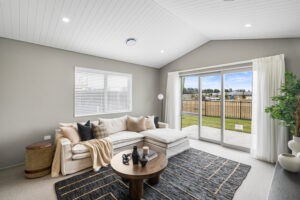
When building a new home, most people focus on layout, finishes, energy efficiency, and curb appeal. While these are important, one factor that is often overlooked is indoor air quality (IAQ). The air inside your home can directly affect your health, comfort, and overall quality of life.

Modern homes are built to be more airtight and energy-efficient than ever before. While this helps reduce energy costs, it can also trap pollutants indoors if the home is not designed with proper ventilation and healthy building materials in mind.
What Is Indoor Air Quality?
Indoor air quality refers to the condition of the air inside your home. It includes the presence of pollutants, humidity levels, ventilation, and airflow. Poor indoor air quality can lead to discomfort, allergies, respiratory issues, and long-term health concerns.

Common indoor pollutants include:
- Dust and allergens
- Volatile Organic Compounds (VOCs) from paints, adhesives, and flooring
- Mold and moisture buildup
- Smoke and airborne particles
- Chemical fumes from cleaning products and furniture
- Poor ventilation and stale air
Why Indoor Air Quality Is Important in New Homes
1. Healthier Living Environment
Clean indoor air supports better health for everyone in the home, especially children, seniors, and people with asthma or allergies. A well-designed home can reduce exposure to airborne pollutants and create a healthier everyday environment.
Good indoor air quality may help reduce:
- Allergies
- Asthma symptoms
- Headaches and fatigue
- Respiratory irritation
- Sleep discomfort
2. Modern Homes Are More Airtight
Today’s homes are designed to improve energy efficiency by sealing gaps and reducing air leakage. While this lowers heating and cooling costs, it also means fresh air cannot naturally flow through the home as easily.
Without proper ventilation systems, pollutants can become trapped indoors. This is why ventilation planning is essential during the construction process.
Key Features That Improve Indoor Air Quality
Proper Ventilation Systems
A quality ventilation system helps circulate fresh air while removing stale indoor air. Systems such as energy recovery ventilators (ERVs) or heat recovery ventilators (HRVs) can improve airflow without sacrificing energy efficiency.
Low-VOC Materials
Choosing low-VOC paints, flooring, cabinetry, and adhesives helps reduce harmful chemical emissions inside the home. These materials contribute to cleaner indoor air from the day you move in.
Moisture and Mold Prevention
Proper insulation, waterproofing, and drainage systems help prevent moisture buildup that can lead to mold growth. Mold not only damages the home but can also affect respiratory health.
High-Performance Air Filtration
Quality HVAC filtration systems can help remove dust, pollen, and airborne particles. Cleaner air filtration improves both comfort and air quality throughout the home.
Natural Light and Airflow
Thoughtful home design that includes operable windows and strategic airflow pathways can help support natural ventilation and improve indoor comfort.
The Connection Between Indoor Air Quality and Energy Efficiency
Energy-efficient homes and healthy homes should work together. A properly designed sustainable home balances airtight construction with controlled ventilation and healthy materials.
This approach can provide:
- Lower energy bills
- Better temperature control
- Reduced humidity issues
- Improved indoor comfort
- Healthier living conditions year-round
Why Indoor Air Quality Should Be Planned Early
Indoor air quality is most effective when considered during the design and construction stage — not after the home is built. Early planning allows builders and homeowners to choose the right materials, ventilation systems, and construction methods before problems arise.

When building a new home, it is important to work with a builder who understands how energy efficiency, ventilation, and healthy materials all work together.
Final Thoughts
A beautiful home should also be a healthy home. Indoor air quality plays a major role in your family’s comfort, wellbeing, and long-term health. By focusing on ventilation, low-toxicity materials, moisture control, and energy-efficient design, homeowners can create a cleaner and healthier living environment from the very beginning.
When planning your new home construction, make indoor air quality part of the conversation — because the air you breathe every day matters.
