Why Choosing a Pre-Designed Home Plan Can Save You Time and Money

Save Time and Money with Pre-Designed Home Plans

If you’re searching for energy-efficient home designs, affordable house plans, or new home builders in Australia, choosing a pre-designed home plan could be one of the smartest decisions you make.

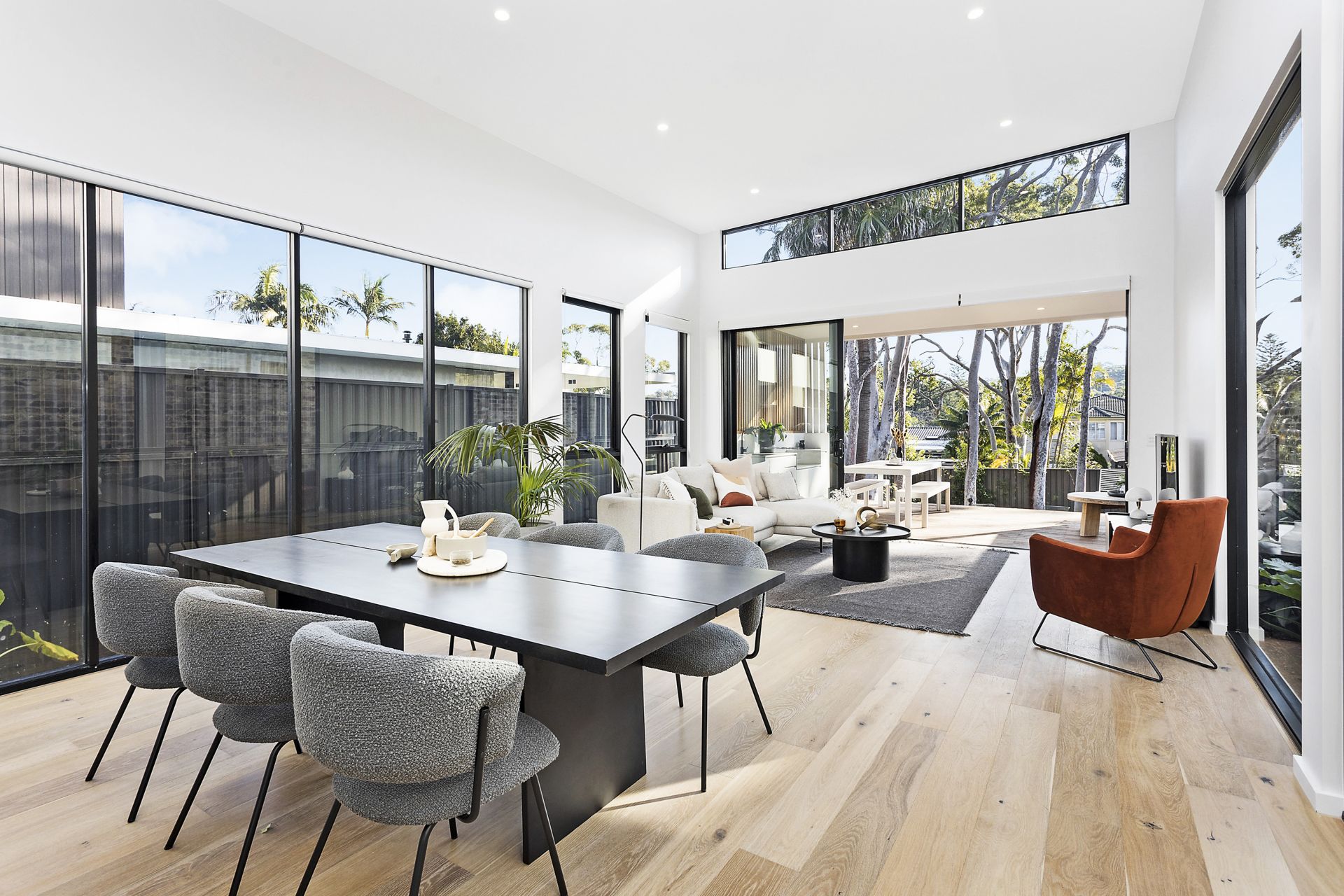
Pre-designed home plans are created by experienced designers and builders to deliver functional layouts, modern living spaces, and proven performance. Unlike custom home designs, these plans are ready to build, helping homeowners save valuable time during the planning and approval stages.

One of the biggest advantages of a pre-designed home is cost savings. Because the design and engineering work have already been completed, homeowners can reduce architectural and drafting expenses while benefiting from a more predictable building budget. This makes pre-designed homes an attractive option for families looking for affordable new homes without compromising on quality.

Many modern energy-efficient house plans are also designed to maximise natural light, ventilation, and thermal comfort. Features such as passive solar design, high-performance insulation, and sustainable building materials can help reduce ongoing energy costs and improve year-round comfort.

For homeowners looking to build faster, reduce design costs, and enjoy a proven home design, a pre-designed home offers exceptional value. At Green Homes Australia, our range of energy-efficient home plans combines sustainability, comfort, and affordability to help Australian families build a smarter future.

What Makes a Home Climate-Resilient in Houston?

What Makes a Home Climate-Resilient in Houston?

Houston homeowners face unique environmental challenges throughout the year. From intense summer heat and humidity to heavy rainfall, hurricanes, and flooding, homes in the region need to be designed to withstand a variety of climate conditions. A climate-resilient home is built to handle these challenges while maintaining comfort, durability, and energy efficiency.

At GH Builders USA, we believe that designing for Houston’s climate is essential for creating homes that perform well for decades. Here are the key features that make a home climate-resilient in Houston.

Elevated and Flood-Conscious Design

Flooding is one of the biggest concerns for Houston homeowners. A climate-resilient home starts with thoughtful site planning and construction techniques that help reduce flood risks.

Key flood-resilient features include:

  • Elevated foundations where appropriate
  • Proper site grading and drainage systems
  • Permeable landscaping solutions
  • Water-resistant building materials in vulnerable areas
  • Rainwater management systems

By addressing water management from the beginning, homeowners can better protect their investment during severe weather events.

High-Performance Building Envelope

Houston’s hot and humid climate places significant demands on a home’s building envelope. The roof, walls, windows, and insulation must work together to reduce heat transfer and improve comfort.

Important features include:

  • High-quality insulation
  • Energy-efficient windows with low-E glass
  • Air sealing to prevent unwanted air leakage
  • Reflective roofing materials
  • Advanced weather barriers

A well-designed building envelope helps maintain indoor temperatures while reducing energy consumption throughout the year.

Hurricane and Storm Resistance

Houston regularly experiences severe storms and hurricane threats. Climate-resilient homes incorporate structural elements designed to withstand high winds and extreme weather conditions.

These may include:

  • Impact-resistant windows and doors
  • Reinforced roof systems
  • Strong framing connections
  • Wind-rated garage doors
  • Durable exterior cladding materials

These features help improve safety and reduce potential storm-related damage.

Moisture and Humidity Control

Houston’s high humidity levels can contribute to mold growth, indoor air quality issues, and material deterioration if not properly managed.

Effective moisture management strategies include:

  • Proper ventilation systems
  • Sealed building envelopes
  • Dehumidification solutions
  • Moisture-resistant construction materials
  • Controlled attic ventilation

Managing humidity helps create a healthier and more comfortable indoor environment.

Energy-Efficient Cooling Systems

Air conditioning is essential in Houston, making HVAC performance a major factor in home resilience and affordability.

Climate-resilient homes often include:

  • High-efficiency HVAC systems
  • Smart thermostats
  • Zoned cooling systems
  • Energy recovery ventilation
  • Proper duct design and sealing

These features help reduce energy costs while maintaining comfort during extreme heat.

Solar-Ready and Backup Power Solutions

Power outages can occur during storms and extreme weather events. Many Houston homeowners are choosing homes designed for future energy independence.

Options may include:

  • Solar-ready roof designs
  • Battery storage systems
  • Backup generators
  • Electric vehicle charging infrastructure
  • Smart energy management systems

These technologies help improve resilience during grid disruptions while supporting long-term energy savings.

Durable Exterior Materials

The materials used on a home’s exterior play a significant role in how well it withstands Houston’s climate.

Popular climate-resilient materials include:

  • Fiber cement siding
  • Impact-resistant roofing products
  • Moisture-resistant exterior finishes
  • Corrosion-resistant hardware
  • Durable window and door systems

Choosing quality materials can reduce maintenance requirements and extend the lifespan of the home.

Water-Efficient Landscaping

A climate-resilient property extends beyond the home itself. Landscaping can help manage stormwater while reducing water consumption.

Smart landscaping features include:

  • Native and drought-tolerant plants
  • Efficient irrigation systems
  • Rain gardens
  • Shade trees for cooling
  • Permeable paving surfaces

These solutions support both sustainability and long-term property performance.

Smart Home Technology

Technology can help homeowners monitor and manage their home’s performance more effectively.

Examples include:

  • Leak detection systems
  • Smart irrigation controls
  • Energy monitoring systems
  • Weather-responsive automation
  • Security and emergency alert systems

These tools provide greater control and can help identify issues before they become major problems.

Building for Houston’s Future

As weather patterns become increasingly unpredictable, climate resilience is becoming a top priority for Houston homeowners. A climate-resilient home is designed to protect against extreme weather, reduce energy costs, improve comfort, and provide long-term value.

At GH Builders USA, we design homes that respond to Houston’s unique climate challenges through energy-efficient construction, durable materials, and smart design strategies. By investing in climate-resilient features today, homeowners can enjoy greater peace of mind and a more comfortable living environment for years to come.

Ready to build a climate-resilient home in Houston? Contact GH Builders USA today to learn how our high-performance home designs can help you create a safer, more efficient, and more comfortable future.

Benefits of High-Performance Homes in Atlanta

Benefits of High-Performance Homes in Atlanta

Build Smarter for Atlanta’s Unique Climate

Atlanta homeowners experience a wide range of weather conditions throughout the year. From hot, humid summers to cooler winters and unpredictable seasonal changes, your home needs to perform efficiently in every season. That’s why more homeowners are choosing high-performance homes designed to deliver greater comfort, lower energy costs, and long-term value.

A high-performance home is built using advanced design principles, quality materials, and energy-efficient technologies that work together to create a healthier and more comfortable living environment. For Atlanta families, the benefits go far beyond energy savings.

Lower Energy Bills Year-Round

Atlanta’s long summers often lead to high cooling costs. A high-performance home is designed to reduce the amount of energy required to keep your home comfortable.

Features such as:

  • High-performance insulation
  • Energy-efficient windows and doors
  • Airtight construction
  • Advanced HVAC systems
  • Smart home energy management

help maintain consistent indoor temperatures while reducing the workload on heating and cooling systems.

The result is lower monthly utility bills and improved energy efficiency throughout the year.

Better Comfort in Every Season

Traditional homes can experience hot and cold spots, drafts, and fluctuating indoor temperatures. High-performance homes are specifically designed to provide consistent comfort throughout every room.

During Atlanta’s humid summers, superior insulation and air sealing help keep unwanted heat and moisture outside. In winter, the same features help retain warmth and reduce drafts.

This creates a more comfortable living environment regardless of outdoor conditions.

Improved Indoor Air Quality

Atlanta’s humidity levels can contribute to moisture-related issues such as mold growth, allergens, and poor indoor air quality.

High-performance homes often include:

  • Controlled ventilation systems
  • Air filtration technologies
  • Moisture management solutions
  • Low-emission building materials

These features help maintain cleaner indoor air and create a healthier environment for your family.

Greater Protection Against Humidity

Humidity is one of the biggest challenges for homeowners in Georgia. Excess moisture can impact comfort, increase cooling costs, and contribute to long-term building damage.

High-performance home designs focus on moisture control through:

  • Proper building envelope design
  • Air sealing techniques
  • High-quality insulation
  • Efficient ventilation systems

By managing humidity effectively, homeowners can enjoy better comfort and protect their investment for years to come.

Increased Home Value

Energy-efficient and sustainable homes continue to attract strong buyer interest across the Atlanta housing market.

Many homebuyers are actively searching for properties that offer:

  • Lower operating costs
  • Modern energy-saving features
  • Enhanced comfort
  • Sustainable building practices

A high-performance home can provide a competitive advantage and potentially increase resale value in the future.

Reduced Environmental Impact

Building a high-performance home allows homeowners to reduce their carbon footprint while enjoying the benefits of lower energy consumption.

Features such as solar-ready designs, efficient appliances, and advanced building materials help minimize environmental impact without sacrificing comfort or style.

For many Atlanta homeowners, sustainability is becoming an important consideration when planning a new home.

Enhanced Durability and Long-Term Savings

A well-designed high-performance home is built to last. Quality construction practices help reduce wear and tear caused by moisture, temperature fluctuations, and air leakage.

This can lead to:

  • Lower maintenance costs
  • Longer-lasting building materials
  • Improved system performance
  • Reduced repair expenses over time

The long-term financial benefits often extend well beyond monthly energy savings.

Why Atlanta Homeowners Are Choosing High-Performance Homes

As energy costs continue to rise and homeowners seek healthier, more comfortable living spaces, high-performance homes are becoming the preferred choice across Atlanta.

By combining energy efficiency, advanced building science, and climate-responsive design, these homes deliver exceptional comfort, lower operating costs, and long-term value.

Whether you’re planning your first home or upgrading to your forever home, investing in a high-performance home is one of the smartest decisions you can make for Atlanta’s climate.

Build a High-Performance Home with GH Builders Atlanta

At GH Builders Atlanta, we design and build homes that are tailored to Georgia’s climate and focused on energy efficiency, comfort, and sustainability. Our team can help you create a home that performs better, costs less to operate, and provides lasting value for your family.

Contact GH Builders Atlanta today to learn more about building a high-performance home designed for Atlanta living.

GH Builders Design - Jervis

What Makes a Green Home Builder Different from a Traditional Builder?

As more homeowners prioritize energy efficiency, sustainability, and long-term savings, green home building has become an increasingly popular choice. While both traditional builders and green home builders construct quality homes, their approach, materials, and overall goals can be quite different.

Understanding these differences can help you make an informed decision when choosing the right builder for your new home.

A Focus on Energy Efficiency

One of the biggest distinctions between a green home builder and a traditional builder is the emphasis on energy performance.

Green home builders design homes to use less energy without sacrificing comfort. They carefully consider factors such as insulation, air sealing, window placement, and heating and cooling systems to create homes that maintain comfortable indoor temperatures throughout the year.

Traditional builders may meet minimum building code requirements, while green home builders often go beyond those standards to improve efficiency and reduce energy consumption.

Sustainable Building Materials

Green home builders prioritize materials that have a lower environmental impact. This may include:

  • Recycled or reclaimed materials
  • Sustainably sourced timber
  • Low-VOC paints and finishes
  • Energy-efficient windows and doors
  • Durable materials designed for long-term performance

Traditional builders may focus primarily on cost and availability, whereas green builders evaluate both environmental impact and long-term value.

Better Indoor Air Quality

A green home is designed to support healthier living conditions.

Green home builders often use low-emission products and advanced ventilation systems that help reduce indoor pollutants, allergens, and moisture buildup. This creates a cleaner and healthier indoor environment for homeowners and their families.

Traditional construction methods may not place the same level of importance on indoor air quality, especially when selecting building materials and ventilation systems.

Water Efficiency Measures

Water conservation is another key element of green home construction.

Green home builders frequently incorporate features such as:

  • Water-efficient fixtures
  • Smart irrigation systems
  • Rainwater collection options
  • Drought-tolerant landscaping designs

These features help homeowners reduce water consumption and lower utility costs over time.

Whole-Home Performance Approach

Traditional builders often focus on individual building components. Green home builders, however, take a whole-home approach.

Every element of the home is designed to work together efficiently. Insulation, ventilation, windows, roofing, appliances, and mechanical systems are carefully selected and integrated to maximize performance.

This comprehensive strategy helps create homes that are more comfortable, durable, and energy-efficient.

Long-Term Cost Savings

While some green building features may require a higher upfront investment, they often provide significant long-term savings.

Homeowners can benefit from:

  • Lower energy bills
  • Reduced water costs
  • Fewer maintenance requirements
  • Increased durability of building materials
  • Potentially higher resale value

Green home builders focus on lifetime value rather than simply minimizing initial construction costs.

Commitment to Sustainability

Green builders are dedicated to reducing the environmental impact of residential construction. This includes minimizing waste during the building process, sourcing responsible materials, and incorporating technologies that reduce resource consumption throughout the life of the home.

Their goal is to create homes that are not only comfortable and attractive but also environmentally responsible.

Future-Ready Home Design

As energy standards continue to evolve, green home builders often design homes with the future in mind. Many green homes are prepared for technologies such as:

  • Solar power systems
  • Battery storage solutions
  • Electric vehicle charging stations
  • Smart home energy management systems

This future-focused approach helps homeowners adapt to changing energy needs and sustainability trends.

Conclusion

The difference between a green home builder and a traditional builder goes far beyond the materials used during construction. Green home builders focus on energy efficiency, sustainability, healthier indoor environments, water conservation, and long-term performance.

For homeowners looking to reduce utility costs, improve comfort, and minimize environmental impact, partnering with a green home builder can provide lasting benefits. By taking a whole-home approach and prioritizing efficiency at every stage of construction, green builders create homes designed for the needs of today and the future.

New Home Construction Houston: A Step-by-Step Guide

Building a new home is an exciting opportunity to create a space that fits your lifestyle, preferences, and future needs. Whether you’re building your first home or upgrading to your dream property, understanding the construction process can help you make informed decisions and avoid unnecessary stress.

If you’re planning a new home construction project in Houston, this step-by-step guide will walk you through the key stages, from initial planning to move-in day.

Step 1: Define Your Vision and Budget

Before construction begins, it’s important to establish your goals for the project. Consider factors such as:

  • Home size and layout
  • Number of bedrooms and bathrooms
  • Architectural style
  • Energy-efficient features
  • Smart home technology
  • Outdoor living spaces

At the same time, determine a realistic budget that includes construction costs, permits, design fees, landscaping, and contingency funds for unexpected expenses

Step 2: Choose the Right Location

Houston offers a wide range of neighborhoods and communities, each with unique benefits. When selecting a lot, consider:

  • Proximity to work and schools
  • Access to shopping and amenities
  • Future development plans
  • Flood zones and drainage considerations
  • Property size and orientation

Choosing the right location is one of the most important decisions in the home-building process.

Step 3: Partner With an Experienced Home Builder

Selecting a reputable home builder can make all the difference in your construction experience. Look for a builder with:

  • Proven experience in Houston
  • Strong client reviews and testimonials
  • Transparent pricing and contracts
  • Knowledge of local building codes
  • Quality craftsmanship

A trusted builder will guide you through each phase of the project and help ensure your home is built to the highest standards.

Step 4: Design Your New Home

The design phase transforms your ideas into detailed plans. During this stage, you’ll work with designers and builders to finalize:

  • Floor plans
  • Exterior elevations
  • Interior layouts
  • Material selections
  • Energy-efficient upgrades
  • Storage solutions

This is also the ideal time to incorporate features that can enhance comfort, functionality, and long-term value.

Step 5: Secure Permits and Approvals

Before construction can begin, the necessary permits and approvals must be obtained. Depending on the location and scope of the project, requirements may include:

  • Building permits
  • Site approvals
  • Utility connections
  • Environmental compliance

An experienced builder will typically handle much of this process on your behalf, ensuring all regulations are met.

Step 6: Site Preparation and Foundation Work

Once permits are approved, construction begins with site preparation. This stage typically includes:

  • Clearing and grading the land
  • Establishing drainage systems
  • Preparing utility connections
  • Pouring the foundation

A strong foundation is essential for the structural integrity and longevity of your new home.

Step 7: Framing and Structural Construction

Framing creates the skeleton of your home. During this phase, contractors construct:

  • Exterior walls
  • Roof structure
  • Interior walls
  • Windows and door openings

As the frame takes shape, you’ll begin to see your home’s design come to life.

Step 8: Install Essential Systems

After framing is complete, contractors install critical systems, including:

  • Plumbing
  • Electrical wiring
  • HVAC systems
  • Insulation

These components are carefully inspected to ensure they meet local building standards and safety requirements.

Step 9: Interior and Exterior Finishes

This is one of the most exciting stages of the project. Interior and exterior finishes begin to transform the structure into a completed home.

Common finishing work includes:

  • Flooring installation
  • Cabinetry and countertops
  • Interior painting
  • Lighting fixtures
  • Exterior siding and brickwork
  • Landscaping preparation

Attention to detail during this stage helps create a polished and personalized living space.

Step 10: Final Inspections and Walkthrough

Before receiving the keys, the home must pass final inspections. Your builder will also conduct a walkthrough with you to review:

  • Completed work
  • Home systems and operations
  • Warranty information
  • Any final adjustments or touch-ups

This ensures everything meets expectations before move-in day.

Step 11: Move Into Your New Houston Home

Once inspections are complete and the final paperwork is signed, it’s time to move into your new home. You’ll be able to enjoy a space designed specifically for your family’s needs, with modern features, energy-efficient systems, and quality construction built to last.

Why Build a New Home in Houston?

Houston continues to be one of the fastest-growing cities in the country, offering strong economic opportunities, diverse communities, and a relatively affordable housing market. New home construction allows homeowners to:

  • Personalize their living space
  • Incorporate modern technology
  • Improve energy efficiency
  • Reduce maintenance costs
  • Increase long-term property value

With the right planning and an experienced builder, constructing a new home can be a rewarding investment for years to come.

Start Your New Home Construction Journey

Building a new home in Houston is a significant milestone, but understanding the process can make it far more manageable. From selecting the perfect lot to completing the final walkthrough, each step plays a vital role in creating a home that reflects your vision and lifestyle.

Partnering with a trusted Houston home builder can help ensure a smooth construction experience and deliver a home that meets your expectations today and into the future.

Why Choosing an Experienced Builder Leads to Better Results

Why Choosing an Experienced Builder Leads to Better Results

Selecting the right builder is one of the most important decisions in any construction project. Whether it involves residential development, renovations, or custom builds, the experience level of your builder has a direct impact on quality, timelines, cost efficiency, and long-term value.

Working with established professionals such as GH Builders USA ensures that projects are delivered with structured processes, technical expertise, and a strong focus on compliance and quality standards.

1. Strong Project Planning and Execution

Experienced builders bring refined systems for managing complex construction workflows. This includes:

  • Accurate project scoping and budgeting
  • Realistic timelines based on past delivery experience
  • Coordinated scheduling of trades and materials
  • Early identification of potential risks

This level of planning reduces delays and helps ensure smoother project execution from start to finish.

2. Higher Construction Quality Standards

Quality outcomes are strongly influenced by the builder’s technical expertise and attention to detail. Experienced teams typically provide:

  • Proven construction methodologies
  • Better material selection guidance
  • Compliance with building codes and safety standards
  • Consistent workmanship across all stages

This results in durable structures with fewer defects and reduced maintenance requirements over time.

3. Cost Efficiency Through Expertise

While experienced builders may not always be the cheapest option upfront, they often deliver better overall value by reducing unnecessary expenses such as:

  • Cost overruns due to poor planning
  • Rework caused by construction errors
  • Inefficient material usage
  • Delays that increase labour costs

Their ability to anticipate challenges leads to more accurate budgeting and fewer financial surprises.

4. Strong Industry Relationships

Established builders maintain long-term relationships with suppliers, subcontractors, and consultants. This provides advantages such as:

  • Access to reliable tradespeople
  • Competitive material pricing
  • Faster procurement of resources
  • Improved coordination across teams

These relationships contribute to smoother project delivery and better overall efficiency.

5. Better Compliance and Risk Management

Construction projects must comply with strict regulations and safety standards. Experienced builders are well-versed in:

  • Local building codes and approvals
  • Workplace safety requirements
  • Environmental and sustainability considerations
  • Insurance and liability management

This reduces the likelihood of legal or regulatory issues during and after construction.

6. Improved Communication and Project Transparency

Clear communication is essential for successful project outcomes. Experienced builders typically offer:

  • Structured progress reporting
  • Clear documentation and contracts
  • Defined communication channels
  • Regular updates throughout the build

This transparency helps clients stay informed and confident throughout the project lifecycle.

7. Long-Term Value and Property Performance

A well-executed build contributes to long-term property performance, including:

  • Increased structural durability
  • Better energy efficiency
  • Higher resale value
  • Reduced maintenance costs

Choosing an experienced builder helps ensure the property remains an asset rather than becoming a liability.

Conclusion

The experience of a builder plays a critical role in determining the success of any construction project. From planning and execution to compliance and long-term value, seasoned professionals deliver measurable advantages that go beyond initial cost considerations.

Partnering with a trusted and experienced construction team such as GH Builders USA can significantly improve project outcomes, ensuring quality, efficiency, and long-term performance.

Why Atlanta Homeowners Choose Energy-Efficient Windows

Why Atlanta Homeowners Choose Energy-Efficient Windows

Atlanta homeowners are increasingly looking for ways to improve comfort, reduce energy costs, and create more sustainable living spaces. One of the most effective upgrades for any home is the installation of energy-efficient windows. Whether you’re building a new home or planning future improvements, high-performance windows can provide significant benefits throughout the year.

At GH Builders Atlanta, we understand the important role that energy-efficient windows play in creating homes that are comfortable, cost-effective, and built for the future

Why Energy-Efficient Windows Matter in Atlanta

Atlanta experiences hot, humid summers and cooler winters, making temperature control a year-round concern for homeowners. Traditional windows can allow heat to enter during summer and escape during winter, forcing heating and cooling systems to work harder.

GH Builders USA project

Energy-efficient windows are designed to minimize heat transfer, helping maintain a comfortable indoor environment while reducing the demand on your HVAC system.

Lower Energy Bills

One of the biggest advantages of energy-efficient windows is their ability to reduce energy consumption. By preventing unwanted heat gain and heat loss, these windows help your home stay cooler in summer and warmer in winter.

As a result, homeowners often experience:

  • Reduced cooling costs during Atlanta’s hot summers
  • Lower heating expenses in cooler months
  • Improved overall energy efficiency
  • Long-term savings on utility bills

GH Builders USA Projects 4

Over time, these savings can make a noticeable difference in household expenses

Improved Indoor Comfort

Drafts, hot spots, and temperature fluctuations can make a home uncomfortable. Energy-efficient windows help create a more consistent indoor climate by reducing the amount of outside heat and cold that enters the home.

Benefits include:

  • More even temperatures throughout the house
  • Fewer drafts near windows
  • Enhanced year-round comfort
  • Better control over indoor living conditions

This creates a more enjoyable environment for homeowners and their families.

Enhanced UV Protection

Atlanta receives plenty of sunshine throughout the year. While natural light is desirable, excessive ultraviolet (UV) exposure can damage furniture, flooring, artwork, and fabrics.

Green Homes USA

Many energy-efficient windows include special coatings that help block harmful UV rays while still allowing natural light into the home.

This helps:

  • Protect interior furnishings
  • Reduce fading of carpets and hardwood floors
  • Preserve the appearance of furniture and décor
  • Maintain brighter, healthier living spaces

.

Reduced Strain on HVAC Systems

When windows allow significant heat transfer, heating and cooling systems must work harder to maintain comfortable temperatures.

Energy-efficient windows help reduce this workload by improving the home’s thermal performance. This can lead to:

  • Increased HVAC efficiency
  • Reduced wear and tear on equipment
  • Lower maintenance costs
  • Extended system lifespan

By reducing the demand on your HVAC system, homeowners can potentially delay costly replacements.

Better Noise Reduction

Many energy-efficient windows are built with multiple panes of glass and advanced insulation technologies. These features not only improve thermal performance but also help reduce outside noise.

For homeowners in busy neighborhoods or near major roads, this can result in:

  • A quieter indoor environment
  • Improved relaxation and comfort
  • Reduced traffic and neighborhood noise
  • Better sleep quality

Noise reduction is an often-overlooked benefit that can greatly improve daily living.

Increased Home Value

Today’s homebuyers are increasingly prioritizing energy efficiency when searching for a new home. Features such as high-performance windows can make a property more attractive and marketable.

Energy-efficient homes often appeal to buyers because they offer:

  • Lower operating costs
  • Improved comfort
  • Modern building standards
  • Greater sustainability

Investing in energy-efficient windows can contribute to long-term property value and buyer appeal.

Supporting Sustainable Living

Many Atlanta homeowners are looking for ways to reduce their environmental impact. Energy-efficient windows help lower overall energy consumption, reducing the home’s carbon footprint.

Combined with other sustainable building practices, these windows contribute to:

  • Lower greenhouse gas emissions
  • Reduced energy demand
  • More environmentally responsible living
  • A healthier future for generations to come

Build Smarter with GH Builders Atlanta

At GH Builders Atlanta, we believe every home should be designed for comfort, efficiency, and long-term value. Energy-efficient windows are a key component of creating homes that perform better in Atlanta’s climate while helping homeowners save money and enjoy a healthier living environment.

Whether you’re planning your dream home or exploring sustainable building options, our team can help you incorporate energy-efficient features that deliver lasting benefits.

Ready to build a smarter, more energy-efficient home?

Contact GH Builders Atlanta today to learn how energy-efficient design can improve comfort, lower utility costs, and create a more sustainable future for your family.

Why Indoor Air Quality Matters in New Home Construction

When building a new home, most people focus on layout, finishes, energy efficiency, and curb appeal. While these are important, one factor that is often overlooked is indoor air quality (IAQ). The air inside your home can directly affect your health, comfort, and overall quality of life.

Atlanta’s Shift Toward Energy-Efficient Green Homes

Modern homes are built to be more airtight and energy-efficient than ever before. While this helps reduce energy costs, it can also trap pollutants indoors if the home is not designed with proper ventilation and healthy building materials in mind.

What Is Indoor Air Quality?

Indoor air quality refers to the condition of the air inside your home. It includes the presence of pollutants, humidity levels, ventilation, and airflow. Poor indoor air quality can lead to discomfort, allergies, respiratory issues, and long-term health concerns.

Common indoor pollutants include:

  • Dust and allergens
  • Volatile Organic Compounds (VOCs) from paints, adhesives, and flooring
  • Mold and moisture buildup
  • Smoke and airborne particles
  • Chemical fumes from cleaning products and furniture
  • Poor ventilation and stale air

Why Indoor Air Quality Is Important in New Homes

1. Healthier Living Environment

Clean indoor air supports better health for everyone in the home, especially children, seniors, and people with asthma or allergies. A well-designed home can reduce exposure to airborne pollutants and create a healthier everyday environment.

Good indoor air quality may help reduce:

  • Allergies
  • Asthma symptoms
  • Headaches and fatigue
  • Respiratory irritation
  • Sleep discomfort

2. Modern Homes Are More Airtight

Today’s homes are designed to improve energy efficiency by sealing gaps and reducing air leakage. While this lowers heating and cooling costs, it also means fresh air cannot naturally flow through the home as easily.

Without proper ventilation systems, pollutants can become trapped indoors. This is why ventilation planning is essential during the construction process.

Key Features That Improve Indoor Air Quality

Proper Ventilation Systems

A quality ventilation system helps circulate fresh air while removing stale indoor air. Systems such as energy recovery ventilators (ERVs) or heat recovery ventilators (HRVs) can improve airflow without sacrificing energy efficiency.

Low-VOC Materials

Choosing low-VOC paints, flooring, cabinetry, and adhesives helps reduce harmful chemical emissions inside the home. These materials contribute to cleaner indoor air from the day you move in.

Moisture and Mold Prevention

Proper insulation, waterproofing, and drainage systems help prevent moisture buildup that can lead to mold growth. Mold not only damages the home but can also affect respiratory health.

High-Performance Air Filtration

Quality HVAC filtration systems can help remove dust, pollen, and airborne particles. Cleaner air filtration improves both comfort and air quality throughout the home.

Natural Light and Airflow

Thoughtful home design that includes operable windows and strategic airflow pathways can help support natural ventilation and improve indoor comfort.

The Connection Between Indoor Air Quality and Energy Efficiency

Energy-efficient homes and healthy homes should work together. A properly designed sustainable home balances airtight construction with controlled ventilation and healthy materials.

This approach can provide:

  • Lower energy bills
  • Better temperature control
  • Reduced humidity issues
  • Improved indoor comfort
  • Healthier living conditions year-round

Why Indoor Air Quality Should Be Planned Early

Indoor air quality is most effective when considered during the design and construction stage — not after the home is built. Early planning allows builders and homeowners to choose the right materials, ventilation systems, and construction methods before problems arise.

When building a new home, it is important to work with a builder who understands how energy efficiency, ventilation, and healthy materials all work together.

Final Thoughts

A beautiful home should also be a healthy home. Indoor air quality plays a major role in your family’s comfort, wellbeing, and long-term health. By focusing on ventilation, low-toxicity materials, moisture control, and energy-efficient design, homeowners can create a cleaner and healthier living environment from the very beginning.

When planning your new home construction, make indoor air quality part of the conversation — because the air you breathe every day matters.

Start Your Texas Home Build With the Right Floor Plan

Building a new home in Texas is one of the most exciting investments you can make. Whether you’re creating your forever family home, downsizing for retirement, or building on acreage, the right house plan will shape how you live for years to come.

GH Builders USA - Sustainable Homes Are Rising Fast in the USA

Texas offers incredible opportunities for homeowners — larger lots, flexible designs, outdoor living, and homes tailored to the climate and lifestyle. But before construction begins, the most important step is choosing the right floor plan for your needs.

A beautiful home starts with a smart design.

Why Your House Plan Matters

Your home plan is more than just a layout. It affects:

  • Your daily comfort
  • Energy efficiency
  • Construction costs
  • Future resale value
  • Family functionality
  • Natural light and airflow
  • Long-term maintenance

The right design can help you save money, maximize your land, and create a home that truly fits your lifestyle.

Think About How You Live

Before selecting a house plan, think about how your family uses space every day.

Ask yourself:

  • Do you need open-plan living?
  • How many bedrooms and bathrooms will you need?
  • Will you work from home?
  • Do you want outdoor entertaining areas?
  • Will your family grow in the future?
  • Do you need extra storage or a large garage?
  • Do you prefer single-storey or double-storey living?

A well-designed plan should support your lifestyle today while remaining practical for the future.

Consider Texas Climate and Energy Efficiency

Texas weather can vary dramatically depending on where you build. Summers can be extremely hot, making energy efficiency a major factor when choosing your home design.

Look for plans that include:

  • Natural ventilation
  • Energy-efficient windows
  • Proper insulation
  • Covered outdoor areas
  • Smart home orientation
  • Sustainable building materials
  • Solar-ready roof designs

An energy-efficient home can reduce electricity costs while making your home more comfortable year-round.

Choose a Design That Fits Your Land

Not every house plan works on every block.

Before finalizing your design, consider:

  • Lot size and shape
  • Slope of the land
  • Sun orientation
  • Local building regulations
  • HOA requirements
  • Access and driveway placement
  • Views and privacy

A home plan should complement your property, not fight against it.

Popular Home Styles in Texas

Texas homeowners often choose designs that combine comfort, practicality, and strong street appeal.

Popular styles include:

  • Modern Farmhouse. A timeless favorite featuring open spaces, large porches, and warm finishes.
  • Contemporary Homes. Clean lines, large windows, and minimalist design with energy-efficient features.
  • Ranch-Style Homes. Perfect for spacious lots and easy single-level living.
  • Luxury Acreage Homes. Designed for larger properties with expansive outdoor entertaining spaces.
  • Sustainable and Green Homes. Focused on energy efficiency, healthier living, and lower running costs.

Plan for the Future

A home is a long-term investment, so it’s important to think ahead.

You may want to include:

  • Flexible living areas
  • Guest accommodation
  • Aging-in-place features
  • Multi-generational living spaces
  • Home office or study areas
  • Future outdoor additions
  • Building with future needs in mind can save significant renovation costs later.

Work With the Right Builder and Designer

Choosing the right builder is just as important as choosing the right floor plan.

A quality builder can help you:

  • Customize your plan
  • Improve energy performance
  • Stay within budget
  • Navigate permits and approvals
  • Select practical finishes and materials
  • Look for builders experienced in Texas home construction and familiar with local climate conditions and regulations.

Final Thoughts

If you’re planning to build a new home in Texas, start with a plan that matches your lifestyle, land, and long-term goals.

The right house plan creates the foundation for a home that is comfortable, energy-efficient, functional, and built to last.

Take the time to explore different layouts, think about your future needs, and work with professionals who understand what makes a Texas home truly work.

Because building your dream home starts with choosing the right design.

Atlanta’s Shift Toward Energy-Efficient Green Homes

Atlanta’s Shift Toward Energy-Efficient Green Homes

Atlanta has become one of the most interesting cities in the United States when it comes to green housing. Once known mainly for rapid urban growth and sprawling suburbs, the city is now steadily shifting toward energy-efficient, climate-conscious, and healthier homes. This change is being driven by rising energy costs, stronger building standards, and growing demand from residents who want homes that are both comfortable and environmentally responsible.

Atlanta’s Shift Toward Energy-Efficient Green Homes

Why Atlanta Is Embracing Green Housing

Atlanta’s push toward sustainability is not happening by accident. Several local factors are driving it:

1. Hot, humid climate
Air conditioning is a major energy expense in Georgia. Green homes reduce cooling demand through better insulation, reflective roofing, and smart design.

2. Rapid urban growth
As the metro area expands, planners are trying to avoid unsustainable sprawl by encouraging denser, more efficient housing.

3. Public housing modernization
Organizations like Atlanta Housing have incorporated sustainability goals into redevelopment projects, focusing on energy savings and long-term affordability.

4. Cost savings for residents
Green homes often lower utility bills, making them especially valuable in affordable housing programs.

What Green Communities Look Like in Atlanta

Across the city, green housing is no longer limited to luxury developments. It now appears in a variety of neighborhoods and projects:

  • Mixed-income housing redevelopments that combine affordability with energy-efficient design
  • Transit-connected communities that reduce dependence on cars
  • Urban infill projects that reuse existing land instead of expanding outward
  • Modern apartment complexes with smart energy monitoring systems

Some developments also integrate walkability, bike lanes, and access to public transportation to reduce overall carbon emissions.

Solar Energy and Smart Technology

Solar adoption is growing in Atlanta’s residential market. Many newer homes are built “solar-ready,” meaning they are pre-wired for panels even if they are not installed immediately.

Smart home technologies are also becoming common, including:

  • Smart thermostats that learn usage patterns
  • Energy monitoring apps
  • Efficient HVAC systems
  • Water-saving fixtures

These features help homeowners actively manage and reduce their environmental footprint.

Challenges Still Facing Green Housing in Atlanta

Despite progress, there are still obstacles:

  • Higher upfront construction costs for green materials and systems
  • Limited awareness among some buyers about long-term savings
  • Uneven adoption across different neighborhoods
  • Need for more incentives to encourage developers to go green

However, many of these barriers are gradually being addressed through policy support and growing market demand.

The Future of Green Homes in Atlanta

The future of housing in Atlanta is clearly moving toward sustainability. As climate concerns grow and energy prices fluctuate, green homes are becoming less of a niche option and more of a mainstream expectation.

Experts expect continued growth in:

  • Net-zero energy homes
  • Electrified housing (reducing reliance on gas)
  • Sustainable urban redevelopment
  • Climate-resilient building design

Final Thought

Atlanta is in the middle of a quiet transformation. What was once a city defined by expansion is increasingly becoming a city focused on efficiency, resilience, and smarter living. Green homes are not just a trend—they are shaping how the city will grow for decades to come.

GH Builders USA - Sustainable Homes Are Rising Fast in the USA

How Houston Is Embracing Green and Energy-Efficient Housing

Houston is quickly becoming a leading U.S. hub for green housing innovation. Known for energy and industry, it now advances Energy-Efficient Housing, climate-resilient construction, and cleaner building technologies.

Recent developments show that “green homes” in Houston are no longer a niche idea, they’re becoming part of mainstream housing and infrastructure planning.

e accessible and potentially more affordable for homeowners in the region.

Green homes are focusing on resilience, not just efficiency

In Houston, sustainability is closely tied to climate resilience. Because the city faces hurricanes, flooding, and extreme heat, new “green homes” are being designed to handle environmental stress as well as reduce energy use.

One notable trend is the use of advanced building systems like insulated concrete panels and elevated construction designs. These approaches aim to:

  • Improve flood resistance
  • Reduce cooling energy demand
  • Increase structural durability during storms

This reflects a broader shift: green housing in Houston is as much about survival in extreme weather as it is about lowering utility bills.

Urban sustainability projects are influencing housing demand

Beyond individual homes, Houston is also investing in urban design improvements that support sustainability. Downtown projects aimed at reducing heat, such as large shade structures and climate-adaptive landscaping—are helping address the city’s rising temperature challenges.

These changes influence housing trends by increasing demand for:

  • Walkable neighborhoods
  • Energy-efficient apartment buildings
  • Homes closer to climate-resilient infrastructure

Housing growth and sustainability are growing together

The Houston region continues to expand rapidly, with thousands of new homes planned across surrounding counties. While growth raises concerns about land use and infrastructure strain, it also creates an opportunity: new developments can integrate green building standards from the start rather than retrofitting older structures.

Developers are increasingly blending affordability with sustainability, signaling that green housing is becoming part of large-scale residential planning rather than an upscale-only feature.

What this means for homeowners and buyers

For people considering homes in Houston, the direction is clear:

Green homes are increasingly defined by three key priorities:

  • Lower energy consumption
  • Stronger climate resilience
  • Healthier indoor environments

As solar manufacturing expands, builder programs mature, and demand for efficient homes rises, Houston’s housing market is gradually shifting toward a more sustainable model.

GH Builders USA - Sustainable Homes Are Rising Fast in the USA

Sustainable Homes Are Rising Fast in the USA

The American housing market is entering a new era where sustainability, energy efficiency, and climate resilience are becoming top priorities for homeowners and builders alike. Across the United States, sustainable homes and green housing solutions are no longer considered a luxury niche; they are rapidly becoming a mainstream standard for modern living. From smart energy systems and solar-powered designs to eco-friendly construction materials, today’s sustainable homes are reshaping communities while offering long-term savings, healthier living environments, and a more environmentally responsible future.

From solar-ready roofs and smart energy systems to net-zero homes and eco-friendly construction materials, the green housing movement is transforming neighborhoods and redefining what buyers expect from a home in 2026.

Why Green Homes Are Booming

Several factors are driving the rapid growth of sustainable housing in the U.S.:

  • Rising electricity and utility costs
  • Increased awareness of climate change
  • Federal and state clean-energy incentives
  • Demand for healthier indoor living spaces
  • Stronger resale value for efficient homes

According to recent housing and sustainability reports, many American buyers are willing to pay significantly more for homes with green features because of long-term savings and environmental benefits.

Energy-efficient homes are also selling faster in competitive markets, especially properties featuring solar panels, EV charging systems, advanced insulation, and smart climate controls.

GH Builders USA - Sustainable Homes Are Rising Fast in the USA

Net-Zero Homes Are Becoming the Gold Standard

One of the biggest trends in sustainable housing is the rise of “net-zero” homes — houses designed to produce as much energy as they consume annually.

Many new developments now include:

  • High-performance insulation
  • Smart HVAC systems
  • Heat-pump water heaters
  • Solar-ready roofing
  • Battery storage systems
  • Energy-efficient windows

The U.S. Department of Energy highlights that ultra-efficient homes combine advanced construction techniques with renewable energy technologies to dramatically lower energy use.

Builders are also adopting climate-responsive designs that improve comfort while reducing energy demand year-round

GH Builders USA - Sustainable Homes Are Rising Fast in the USA

Smart Technology Is Powering Sustainable Living

Smart home technology is becoming a central feature of green housing in America. Homeowners increasingly use intelligent systems to monitor and optimize energy usage in real time.

Popular technologies include:

  • Smart thermostats
  • Automated lighting systems
  • Energy-monitoring dashboards
  • AI-powered home energy management systems
  • Smart water-saving devices

Experts say these systems can help reduce waste while improving convenience and lowering monthly utility bills.

At the same time, EV charging stations and whole-home battery systems are becoming highly desirable home features, especially as electric vehicle adoption continues to rise nationwide.

Healthier Homes Are Gaining Attention

Green homes are not only about saving energy, they are also about improving quality of life.

Modern eco-friendly homes often include:

  • Better ventilation systems
  • Low-VOC paints and finishes
  • Natural lighting strategies
  • Non-toxic building materials
  • Improved indoor air quality

Wellness-focused housing has become especially popular after homeowners spent more time indoors in recent years. Buyers now prioritize comfort, clean air, and healthier living environments alongside sustainability.

Communities investing in resilient green housing may also benefit from lower long-term operating costs and improved property durability.

Sustainable Materials Are Transforming Construction

Construction companies are also moving toward lower-impact materials and greener building practices.

Trending materials include:

  • Recycled insulation
  • Engineered wood
  • Low-emission concrete
  • Bamboo composites
  • Prefabricated modular panels

These materials reduce environmental impact while often improving energy performance and construction efficiency.

Prefabricated and modular housing solutions are especially gaining momentum because they can reduce waste, shorten construction timelines, and lower costs

The Future of Green Housing in America

Industry experts believe 2026 could become a defining year for sustainable housing in the United States.

Government incentives, consumer demand, and advancements in building technology are accelerating adoption faster than ever before. Many analysts predict green features will soon become expected standards rather than optional upgrades.

As the housing market evolves, green homes appear positioned to deliver three major advantages:

  1. Lower long-term utility costs
  2. Better resilience against climate risks
  3. Higher property value and buyer demand

For many Americans, sustainable housing is no longer simply about helping the environment, it is becoming a smarter financial and lifestyle investment for the future.

Designing Sustainable Homes in the U.S.

As energy costs continue to rise and climate concerns become increasingly urgent, more homeowners across the United States are turning toward sustainable homes and eco-conscious building solutions. These designs go beyond visual appeal, they are thoughtfully crafted to reduce environmental impact, improve energy efficiency, and create healthier, more comfortable living spaces.

GH Builders Design Home

Whether you’re building a new home from the ground up or planning a major renovation, understanding sustainable house design can help you make smarter, long-term decisions that benefit both your household and the planet.

What Makes a House Plan Sustainable?

A sustainable house plan is designed to minimize environmental impact while maximizing efficiency and comfort. Key features usually include:

  • Energy efficiency (reduced electricity and heating/cooling use)
  • Water conservation systems
  • Eco-friendly building materials
  • Smart orientation for natural light and ventilation
  • Low carbon footprint construction methods

The goal is simple: build homes that use fewer resources but deliver better living quality.

Popular Sustainable House Design Trends in the U.S.

1. Passive Solar Design

Passive solar homes are designed to naturally heat and cool themselves using sunlight and airflow.

Key features include:

  • Large south-facing windows (in colder U.S. regions)
  • Thermal mass floors (like concrete or stone)
  • Strategic shading to prevent overheating in summer

This design can significantly reduce heating and cooling bills.

Net-Zero Energy Homes

A net-zero home produces as much energy as it consumes over a year.

Common components:

  • Rooftop solar panels
  • High-performance insulation
  • Energy-efficient appliances
  • Smart thermostats and energy monitoring systems

These homes are becoming more common in states like California, Texas, and Colorado.

Tiny Homes and Compact Living

Smaller homes naturally use fewer resources.

Benefits include:

  • Lower construction costs
  • Reduced energy consumption
  • Minimal environmental footprint

Many Americans are choosing tiny homes as a sustainable lifestyle shift rather than just a housing choice.

Green Roofs and Living Walls

Green roofs are covered with vegetation, while living walls grow plants vertically on exterior or interior surfaces.

They help:

  • Reduce heat absorption
  • Improve air quality
  • Increase insulation
  • Manage stormwater runoff

These features are especially popular in urban areas like New York City and San Francisco.

Benefits of Sustainable House Plans

Choosing a sustainable design offers long-term advantages:

Lower Utility Bills

Energy-efficient homes significantly reduce monthly electricity and water costs.

Healthier Living Environment

Better ventilation and non-toxic materials improve indoor air quality.

Higher Property Value

Sustainable homes are increasingly in demand in the U.S. real estate market.

Environmental Impact

Reduced carbon emissions and resource consumption help fight climate change.

The Future of Sustainable Housing in the U.S.

The trend toward eco-friendly housing is accelerating. With advancements in solar technology, smart home systems, and sustainable materials, future homes are expected to be:

  • More energy independent
  • Fully integrated with renewable energy grids
  • Built with near-zero waste construction methods
  • Designed for climate resilience

Sustainable house plans are no longer a niche idea—they are becoming the standard for modern American living.

Final Thoughts

Building a sustainable home in the U.S. is both an environmental choice and a smart financial investment. From passive solar design to net-zero energy systems, there are many ways to create a home that is efficient, comfortable, and future-ready.

If you’re planning to build or renovate, choosing a sustainable house plan could be one of the most impactful decisions you make, or both your finances and the environment. It’s an investment that pays off in long-term energy savings, improved comfort, and a reduced carbon footprint.

Start today by booking a free consultation and take the first step toward creating a smarter, more sustainable home built for the future.

GH Builders USA - Simpson

How to Choose the Right Sustainable House Plan

Designing your dream home is exciting, but choosing the right sustainable house plan can feel overwhelming. With growing awareness of eco-friendly living, homeowners today want more than just aesthetics, they want energy efficiency, comfort, and long-term savings.

The good news? With the right approach (and the right tools), selecting a sustainable house plan becomes much simpler.

Why Sustainable House Plans Matter

A sustainable home isn’t just good for the environment, it’s also good for your wallet and your health.

Well-designed green homes:

  • Reduce energy consumption
  • Lower utility bills
  • Improve indoor air quality
  • Increase long-term property value

According to experts, the design phase is the most critical step in achieving energy efficiency. Factors like orientation, layout, and ventilation can significantly impact your home’s performance.

1. Start With Your Climate Zone

One of the biggest mistakes homeowners make is choosing a plan that looks good but isn’t suited to their environment.

Sustainable design must match your local climate:

  • Hot climates need proper ventilation and shading
  • Cold climates require strong insulation and thermal mass
  • Tropical regions benefit from airflow-focused layouts

Platforms like GH Builders USA simplify this process by offering climate-tailored house plans, ensuring your home performs efficiently wherever you build.

Tip: Always prioritize performance over appearance when reviewing plans.

2. Focus on Energy Efficiency Features

A truly sustainable house plan includes built-in energy-saving elements, not just add-ons later.

Look for:

  • Passive solar design (window placement and orientation)
  • High-performance insulation
  • Airtight construction
  • Natural lighting and ventilation

Sustainable plans from GH Builders USA are designed with real performance data, helping homeowners reduce energy usage from day one.

3. Choose the Right Size and Layout

Bigger doesn’t always mean better, especially in sustainable living.

Efficient homes:

  • Maximize usable space
  • Minimize wasted areas
  • Reduce construction and energy costs

When browsing plans, consider:

  • Open floor layouts for airflow
  • Multi-functional spaces
  • Compact but comfortable designs

Many modern eco-home plans range from small efficient homes to larger family residences, all focused on balancing function, sustainability, and comfort.

4. Check Materials and Buildability

A sustainable design should be practical to build, not just visually appealing.

Key considerations:

  • Availability of eco-friendly materials
  • Structural feasibility
  • Compliance with local building codes

One major advantage of platforms like GH Builders USA is that their plans include:

  • Detailed layouts
  • Material recommendations
  • Green building tips

This ensures your chosen design can actually be built, not just imagined.

5. Set Your Budget Early

Sustainability doesn’t have to mean expensive, but it does require smart planning.

Before choosing a plan:

  • Define your total budget (design + construction)
  • Factor in long-term energy savings
  • Avoid over-designing beyond your needs

Some platforms even offer estimation-ready drawing sets, allowing you to evaluate costs before committing to full architectural plans, saving both time and money

6. Follow a Simple Selection Process

Choosing the right sustainable house plan doesn’t have to be complicated. A structured approach helps:

  1. Browse available eco-friendly designs
  2. Choose based on lifestyle, budget, and sustainability goals
  3. Purchase & download your plan
  4. Build with your contractor

This streamlined process is exactly how GH Builders USA helps homeowners go from idea to reality efficiently.

7. Think Long-Term, Not Just Today

The best sustainable house plans are designed for the future.

Ask yourself:

  • Will this home still meet my needs in 10–20 years?
  • Can it adapt to new technologies (solar, smart systems)?
  • Does it prioritize durability and low maintenance?

A well-designed sustainable home isn’t just a house, it’s an investment in a better lifestyle.

Final Thoughts

Choosing the right sustainable house plan is about more than style, it’s about performance, efficiency, and livability.

By focusing on:

  • Climate compatibility
  • Energy-efficient design
  • Smart layouts
  • Buildable plans
  • Realistic budgets

You can create a home that’s not only beautiful but also future-proof.

With platforms like GH Builders USA, homeowners now have access to data-driven, ready-to-build sustainable designs, making it easier than ever to turn eco-friendly living into reality.

GH Builders - Atlantic

GH Builders USA is Now Building in Houston, Texas

Big news for homebuyers and investors, GH Builders USA has officially expanded to Houston, Texas! Known for quality craftsmanship and thoughtfully designed homes, GH Builders USA is bringing its expertise to one of the fastest-growing cities in the United States.

Why Houston?

Houston continues to attract families, professionals, and investors thanks to its strong economy, diverse communities, and affordable cost of living. With a booming housing market and plenty of opportunities for growth, it’s the perfect place for GH Builders USA to plant new roots.

Houston Texas
Image from Texas 2036 newsletter

What GH Builders USA Brings

GH Builders USA has built a reputation for creating homes that balance style, function, and long-term value. Homebuyers in Houston can expect:

  • Modern and customizable home designs
  • High-quality materials and construction
  • Energy-efficient features
  • Attention to detail in every build

Whether you’re a first-time buyer or looking to upgrade, GH Builders USA aims to deliver homes that fit your lifestyle and future goals.

GH Builders USA

Building Communities, Not Just Houses

More than just constructing homes, GH Builders USA focuses on building communities where families can grow and thrive. Their expansion into Houston means more opportunities for people to own a home designed with care and purpose.

Ready to Build Your Future?

With this exciting expansion, GH Builders USA is opening doors for more people to turn their dream homes into reality in Houston. If you’ve been considering building or buying in Texas, now might be the perfect time to explore what they have to offer.

Contact us now to schedule a consultation and begin building a home designed just for you.

GH Builders USA - Eco House Design

Net-Zero Home Construction: The Future of Sustainable House Plans

As climate change concerns escalate and energy costs rise, homeowners and builders are increasingly turning to sustainable house plans and eco-friendly construction methods. One of the most promising approaches is net-zero home construction, a concept that not only reduces environmental impact but can also lead to long-term cost savings and healthier living environments. But what exactly is a net-zero home, and why is it becoming the blueprint for the future of residential construction?

What is a Net-Zero Home?

A net-zero home is a building designed to produce as much energy as it consumes over a year. This is typically achieved through a combination of energy-efficient design, advanced building materials, and renewable energy systems such as solar panels or geothermal heating. In essence, a net-zero home leaves no carbon footprint from its energy consumption, making it a cornerstone of sustainable living.

Key Features of Net-Zero Homes

  1. High-Performance Insulation and Windows
    Net-zero homes use superior insulation and triple-glazed windows to minimize energy loss. Properly sealed walls and roofs ensure that heating and cooling systems operate efficiently.

  2. Energy-Efficient Appliances and Systems
    Appliances, HVAC systems, and lighting in net-zero homes are designed to consume minimal energy. Smart home technologies further optimize energy usage by adjusting consumption based on occupancy and weather conditions.

  3. Renewable Energy Integration
    Solar panels, wind turbines, or geothermal systems supply clean energy to meet household needs. Excess energy can often be stored in batteries or fed back into the grid, providing financial incentives.

  4. Water Conservation Systems
    Many net-zero homes incorporate rainwater harvesting, greywater recycling, and low-flow fixtures, reducing water consumption and supporting overall sustainability.

  5. Sustainable Materials
    From recycled steel to sustainably harvested timber, net-zero construction emphasizes environmentally responsible materials that reduce embodied carbon.

Benefits of Building Net-Zero Homes

  • Reduced Energy Costs: Homeowners often see significant reductions in utility bills, sometimes even eliminating them entirely.

  • Environmental Impact: By producing their own energy and reducing reliance on fossil fuels, net-zero homes lower greenhouse gas emissions.

  • Health and Comfort: Improved indoor air quality, temperature regulation, and natural lighting contribute to a healthier living environment.

  • Increased Property Value: As demand for sustainable housing grows, net-zero homes are increasingly seen as valuable investments.

Challenges and Considerations

While the benefits are clear, building a net-zero home requires careful planning and investment. Initial construction costs can be higher due to advanced materials and renewable energy systems. Additionally, local climate, zoning laws, and grid infrastructure can influence design decisions. However, many homeowners find that long-term savings and environmental responsibility outweigh these upfront challenges.

The Future of Sustainable House Plans

Net-zero home construction is no longer a niche concept it is rapidly becoming a standard in sustainable architecture. Advances in technology, combined with growing awareness of climate change, are driving architects and builders to innovate. Modular designs, smart energy management, and improved renewable energy storage are shaping the next generation of sustainable homes.

For anyone planning a new home, considering net-zero design isn’t just a trend—it’s an investment in the planet and future-proof living. As governments and organizations offer incentives for energy-efficient construction, net-zero homes are likely to become the new norm rather than the exception.

Conclusion
The shift toward net-zero home construction marks a critical evolution in sustainable living. By embracing energy efficiency, renewable energy, and environmentally responsible materials, homeowners can enjoy reduced costs, healthier living spaces, and a positive impact on the planet. As technology advances and awareness grows, net-zero house plans are poised to define the future of residential construction.

Green Homes Bateman Design - Farnhouse Coastal

Looking to Build? Explore Eco House Plans in US

If you’re planning to build a home and want something energy-efficient, future-ready, and environmentally responsible, you’re not alone. More homeowners than ever are exploring eco house plans in US to reduce environmental impact while creating beautiful, comfortable living spaces.

A sustainable home isn’t just a trend; it’s a smarter way to build.

Green Homes DDesign - Ewing

What Are Eco House Plans?

Eco house plans are thoughtfully designed home layouts that focus on energy efficiency, sustainability, and long-term savings. In the US, these plans are adapted to different climates, building codes, and lifestyles, making them practical as well as environmentally friendly.

From compact urban homes to spacious suburban and rural designs, eco house plans in US prioritize efficiency without sacrificing style or comfort.

Green Homes Design - Philip

Key Features to Look for in Eco House Plans

Smart Site Planning

Sustainability starts before construction begins. Orienting your home to take advantage of sunlight, wind direction, and shade can dramatically reduce heating and cooling needs.

  • North-facing living areas (in many climates) for natural warmth
  • Strategic window placement for cross-ventilation
  • Preserving existing trees and natural features

Energy-Efficient Design

A well-designed home reduces energy demand before adding technology.

  • High-quality insulation and airtight construction
  • Energy-efficient windows and doors
  • Passive solar design principles
  • LED lighting and smart home systems

Add renewable energy sources like solar panels, and your home could even approach net-zero energy use.

Sustainable Building Materials

Choosing the right materials makes a huge difference.

  • Locally sourced materials to reduce transport emissions
  • Recycled or reclaimed wood, steel, and bricks
  • Rapidly renewable resources like bamboo
  • Durable materials that last longer and need less maintenance

Water Efficiency

Water-smart homes are essential in a changing climate.

  • Rainwater harvesting systems
  • Low-flow fixtures and water-efficient appliances
  • Native or drought-tolerant landscaping
  • Greywater reuse for gardens

Thoughtful Indoor Design

Sustainability doesn’t stop at the structure.

  • Non-toxic paints and finishes
  • Natural lighting to reduce artificial light use
  • Flexible spaces that adapt as your needs change

Is Sustainable Home Design More Expensive?

This is a common concern and a fair one. While some sustainable features may cost more upfront, they often pay for themselves over time through lower energy bills, reduced maintenance, and longer-lasting materials.

Think of it as an investment, not an expense. The return comes in savings, comfort, and peace of mind.

Why Eco House Plans Are the Smart Choice for Modern Living

Climate conditions, energy costs, and lifestyle needs are constantly evolving. A sustainable home is designed to adapt keeping you comfortable today while staying resilient for decades to come.

Whether you’re building a family home, a retirement retreat, or an investment property, sustainability ensures your home remains relevant, efficient, and responsible.

Eco House Plans: Building a Greener Home for the Future

If you’re asking yourself, “Are you looking for a sustainable home design to build?” you’re already on the right path. Sustainable design is no longer a trend; it’s the future of home building.

By making thoughtful choices now, you can build a home that’s not only beautiful and functional, but also kinder to the planet and better for the people who live in it.

Fargo (2)

Green Home Remodeling in Fargo: Upgrade Your Home Sustainably

When it comes to building a home in Fargo, ND, homeowners are looking for more than just walls and a roof they want comfort, efficiency, and sustainability. GH Builders Fargo specializes in creating custom homes and remodeling projects that combine modern design with green, energy-efficient solutions. Whether you’re planning a brand-new home or want to upgrade your existing space, GH Builders Fargo delivers quality, innovation, and lasting value.

GH Builders USA - RHEA

Green Home Remodeling and Upgrades

GH Builders Fargo doesn’t just build new homes they specialize in green home remodeling. Existing homes can be transformed with energy-efficient upgrades, helping homeowners reduce utility costs and environmental impact.

Popular Green Upgrades Include:

  • High-performance insulation and windows
  • Solar panels and smart energy systems
  • Water-saving plumbing and fixtures
  • Eco-friendly flooring and materials

These upgrades not only enhance comfort and sustainability but also improve the overall value of your home.

Why Fargo Homeowners Trust GH Builders

GH Builders Fargo stands out for its local expertise, attention to detail, and commitment to green building practices. Homeowners choose GH Builders for:

  • Proven Track Record: Successful projects across Fargo and surrounding areas
  • Certified Professionals: Skilled builders with experience in sustainable construction
  • Transparent Process: Clear timelines, budgets, and communication throughout the build
  • Community Focus: Understanding the Fargo market, climate, and building codes

Energy Efficiency That Saves You Money

One of the biggest advantages of working with GH Builders Fargo is their focus on energy-efficient homes. By incorporating green design principles and modern technology, homeowners enjoy:

  • Lower energy bills
  • Improved indoor air quality
  • Reduced environmental footprint
  • Homes built to withstand Fargo’s cold winters

Get Started with GH Builders Fargo Today

Whether you’re building a new home, remodeling, or upgrading to a greener home, GH Builders Fargo is ready to help. Their expert team provides personalized guidance, sustainable solutions, and unmatched quality, ensuring your home is comfortable, efficient, and ready for the future.

GH Builders USA project

2026 Green Home Trends Every U.S. Homeowner Should Know

As we move into 2026, the green home movement in the United States is growing faster than ever. Driven by rising energy costs, increased environmental awareness, and rapid advances in building technology, Green Home Trends are no longer a niche; they’re becoming the standard for smart, efficient, and future-ready living.

GH Builders USA Project

Whether you’re planning a new build, renovation, or energy upgrade, understanding the latest trends in U.S. green homes can help you make smarter, more sustainable choices.

Top Green Home Trends in 2026

  • Net-Zero and Energy-Efficient Homes

GH Builders USA project
Energy efficiency remains at the forefront. Homeowners are investing in solar-ready designs, high-performance insulation, energy-efficient windows, and smart HVAC systems. The goal: homes that produce as much energy as they consume, reducing utility bills and carbon footprint.

  • Smart Home Integration for Sustainability
GH Builders USA - Display Homes
 

Technology and sustainability are merging. Smart thermostats, energy-monitoring systems, and automated lighting allow homeowners to track and optimize energy usage, making green living easier than ever.

  • Sustainable Materials and Eco-Friendly Construction

From reclaimed wood to low-VOC paints and recycled insulation, builders are prioritizing materials with lower environmental impact. Prefabricated panels and modular construction are also gaining traction, offering faster builds with reduced waste.

  • Water Efficiency and Outdoor Sustainability


2026 sees a strong focus on rainwater harvesting, drought-tolerant landscaping, and greywater recycling systems. Homeowners are pairing indoor efficiency with outdoor sustainability to reduce overall water use.

  • Health-Focused Design


Wellness-focused homes are on the rise, with better ventilation, natural lighting, non-toxic materials, and biophilic design to improve indoor air quality and overall wellbeing.

  • Climate-Responsive Home Design

GH Builders USA projectWith climate change impacts becoming more noticeable, U.S. green homes are being designed to adapt to local climates. This includes orientation for passive solar heating, hurricane-resistant features, and energy modeling tailored to specific regions.

Why 2026 Is a Pivotal Year for Green Homes

The combination of government incentives, growing consumer awareness, and advances in green building technologies makes 2026 an ideal time to invest in a sustainable home. Whether you’re looking to reduce utility costs, improve comfort, or contribute to environmental stewardship, green homes offer long-term benefits for both homeowners and the planet.

GH Builders USA project

For builders and developers, this year also brings opportunities to stand out with energy-efficient designs, sustainable certifications, and climate-responsive construction all increasingly demanded by buyers.

How GH Builders USA Supports Green Homeowners

At GH Builders USA, we provide tools, resources, and services to make green building accessible:

Whether you’re planning a new construction or a renovation, GH Builders USA helps you build smarter, healthier, and more sustainable homes in 2026.

Start Your Green Home Journey Today

With the latest trends, smart tools, and expert guidance, 2026 is the year to invest in your sustainable dream home. Explore our green house plans, climate reports, and educational resources to get started.

GH Builders - Climate Report

Know Your Climate Zone for Better Home Design

Understanding your climate zone is one of the most important steps you can take before designing or building a home. At GH Builders USA, we make this simple with our Climate Report, giving you the data‑driven insights you need to make decisions that are smart, sustainable, and tailored to the place you live.

Climate Report Cover

Every region of the United States experiences different temperatures, humidity levels, and seasonal changes  and these differences directly affect comfort, energy performance, and long‑term cost savings. With our Carbon & Energy Impact Reports, you can see how your home design will perform in your specific climate, helping you build or improve your home with confidence rather than guesswork.

What the Climate Report Does for You

GH Builders USA’s Climate Report provides:

  • Verified performance data showing how energy‑efficient a green home will be in your state compared to a standard build.
  • A clear picture of projected energy use, utility costs, and carbon reductions so you can make real, measurable comparisons
  • Insights that help you customize your home’s design for your environment — whether that means planning for harsher winters, hot‑humid summers, or mixed conditions somewhere in between.

Knowing your climate zone matters because climate influences every aspect of a home’s performance  from insulation levels and window placement to HVAC sizing and building orientation. For example, the U.S. Department of Energy’s climate mapping shows multiple distinct regions (like hot‑humid, cold, marine, and mixed‑humid zones), each with real implications for how homes should be designed and built.

Smarter Decisions Start with Data

Instead of guessing which design choices work best, use data based on real field modeling  the same performance information trusted by partners, programs, and professionals in sustainable homebuilding. Our Climate Report helps you understand not just the what but the why behind energy use and comfort in your future home.

This isn’t generic climate advice  it’s about your climate, your home’s performance, and your long‑term value.

What to Do Next

  • Discover Your Climate Zone — Use the Climate Report to identify your local zone and understand what it means for your home.
  • Compare Performance — See how a sustainable design performs against a typical home in your area  in energy use, cost, and carbon output.
  • Make Smarter Design Choices — Armed with climate data, tailor your house plan for comfort, efficiency, and climate‑appropriate building science.

Whether you’re planning a new build, a renovation, or simply wanting to improve your home’s performance, understand that climate matters  and our Climate Report helps you build with real insights, not assumptions.


Sustainable House Plans - Aurora

Build Smarter with GH Builders USA Green House Plans

At GH Builders USA, building better homes has always started with smarter design. We’re proud to announce our latest service Green House Planscreated to make sustainable, high-performance home design more accessible than ever.

This new service allows homeowners, developers, and builders to purchase professionally designed green home plans that prioritize energy efficiency, comfort, and long-term value before a single brick is laid.

GH Builders USA Project

About our House Plans

Every Green Homes Estimation Drawing (ED) Set is a ready-to-use design package created to give you clarity, confidence, and cost certainty before you invest in full architectural plans. Instead of spending thousands on drawings that may never be built, our ED Sets let you explore and price your home upfront, ensuring the design fits your land, your budget, and your sustainability goals.

Each design is created with sustainability at its core, helping clients:

  • Build smarter
  • Reduce energy costs
  • Minimize environmental impact
  • Create healthier living spaces

Instead of starting from scratch, you can now choose from expertly crafted green home plans that are both practical and future-ready.

Green Home Aurora Design

Our House Plans are Designed for Performance, Comfort & Sustainability

Every green home design sold by GH Builders USA is developed using proven principles of high-performance building:

  • Energy-efficient layouts that support natural airflow and daylight
  • Solar-ready designs to support net-zero and low-energy living
  • Improved thermal performance through smart orientation and insulation strategies
  • Water-efficient planning for long-term resource savings
  • Healthy indoor environments with better ventilation and material choices

How it works

Easy Steps to Buy Your Energy Efficient Home Design
Get started in just a few easy steps

  1. Browse – Explore energy-efficient house plans designed to lower costs and boost comfort.
  2. Choose – Select the plan that fits your lifestyle, budget, and sustainability goals.
  3. Purchase – Secure your project planning ready blueprint set with a quick, simple checkout.

Start with a Smarter Design

To support your green home journey even further, GH Builders USA also offers State Climate Zone Reports, helping you discover how your local climate should shape the way your home is designed and built  from insulation and orientation to energy efficiency and material choices. Alongside this, we provide a growing range of ebooks and practical guides for homeowners and builders, packed with expert insights on green home design, climate-responsive construction, and future-ready building strategies, giving you the knowledge and confidence to build smarter from the very beginning.


Top Creative Ideas for Your Green Home Building

person-tossing-globe

The unprecedented environmental changes in recent years have completely transformed our way of living. People have now become more connected to their surroundings and have become aware of their impact on nature.

A recent IPCC climatic report indicates that the global warming level is poised to reach 1.5°C in the next 20 years, where 1.1°C of the warming primarily depends on human activities. According to the same report, these climatic changes increase the global temperature at an alarming rate and intensify drought conditions in several regions worldwide, negatively affecting the rainfall patterns, sea level at the coastal areas, and the water cycle.

Since human influence plays a pivotal role in the earth’s climatic stabilization. It has become critical for everyone to practice sustainability in everything they do, and home building and construction are no exception.

As the demand for green home-building options increases, eco-friendly home construction has become increasingly popular worldwide. The number of LEED-certified, green home-building projects increased from 296 certifications in 2006 to more than 67,200 in 2018.

Embrace Solar Energy

Going solar will transform your life in a thousand different ways. In recent years, the transition to solar power has become increasingly common worldwide, with the USA spearheading the trend. Solar energy constitutes nearly 1.6% of overall electricity generation in the US.

Installing solar panels may sound costlier and more expensive than the typical power alternatives, but setting up a solar system will considerably help you reduce your carbon-impact, without compromising your budget in the longer term.

Whether you want to cut down your monthly utility bills, look to increase your home value, want to prevent power outages, or just want to reduce your reliance on the grid, going solar is just the right option for you.

Electronic Smart Glass

The existing home construction technology, smart glass, has the home building industry on its toes! Smart or privacy glass technology is typically integrated into windows and partitions to control the light and switch from clear to opaque or shaded, on-demand.

Installing smart glass windows doesn’t only offer incredible privacy, but it also looks stylish and trendy. It’s a user-friendly technology and requires minimum maintenance. You can choose your smart glass’s activation method according to your own preference. It allows you to get sunlight while allowing visibility through it. Isn’t it amazing?

Cool Your Roof

Your home’s energy efficiency largely depends on the material you use on your roof. To keep your roofs clean, you need to choose the materials that cool faster during the night and hold minimum heat during the day to help you keep your home cool and minimize your energy consumption on air-conditioners and other cooling appliances. Some materials that offer green benefits include slate, metal roofing, white tiles, terra cotta, and slate.

Alternatively, you can also opt for a green roof. Also known as the ‘’living roofs’’, plants grow on the top. They don’t just look to increase your home’s aesthetic appeal but also catch and filter rainwater and insulate the building. Green roofs are mainly used in commercial buildings, but the trend is gradually becoming popular among home builders.

Build your Home with GH Builders

home-interior

If you’re looking for sustainable home builders in the US, you’re in luck. At GH Builders, we deploy cutting-edge technology and state-of-the-art home construction methods to build environmentally friendly homes in the US.

Feel free to reach out to us for more details on how we can help you with your green home construction.

Do you want to be a Generalist or Specialist?

Who would you prefer to build your home?

When posed with this question most builders might think the most beneficial approach is to be a generalist. Be adaptable and open to multiple project avenues which will allow you a greater choice of projects and a multitude of customers to talk too. 

However, when this question is posed to consumers the data show that the majority say that they would like a specialist builder to build their home. Someone who is an expert in their field, an industry leader and the best they can be. 

It is understandable that consumers feel that by hiring a specialist they ultimately will have a better outcome. They will have a better home, built to a better quality and have a better experience.

The fastest growing space in the construction industry today is all about efficiency. People around the world are expecting homes to be efficient and sustainable and many cannot understand why this isn’t a critical element in any design or selection of a new home or considered when planning a renovation. While there is an abundance of consumers looking for expert and specialist builders in the Green space, there is a very limited number of Builders and even a lower number of actual builders who truly understand the Green Principles practically. The construction industry hasn’t changed in the last 40 years. We are in volume, still building with the same principles and same processes as we were in the 1970s. However, the same will not be said for the next 5 to 10 years. By the end of the next decade we will view our homes with these expectations in mind and we will be building them completely differently. They may look similar, but they will be smart healthy low-cost environments. This is what the consumer mindset is today and for the change to occur it needs to be consumer driven.

Consumers around the world are being impacted by large companies such as Tesla, Google, SpaceX and the like. Technology is changing more rapidly than ever before in history and consequently people are expecting their homes to be a better place to live. 

We have governments pushing legislation for more sustainable homes. They are introducing increased standards. Product manufactures have for a long time been producing efficient and sustainable products. This whole movement gets traction on the ground and the missing link is the qualified Builder who can make it happen in a project.

So the question is, Do you want to be a Specialist Green Builder, Building green homes with a business that has an abundance of opportunity or would you like to remain a generalist hoping the status que will continue. 

The builders who will be thriving in the coming years are the builders who are prepared and acting in this space as experts and specialists.  Where Green Homes fits the puzzle is we have developed a turn key solution for Builders and Area developers to take advantage of this booming industry. We have developed the training, systems and processes and the brand to enable our partners to step into this space and become recognized experts and specialist.