As Atlanta continues to grow, homebuyers are becoming more conscious of energy efficiency, sustainability, and long-term affordability. Green homes are no longer considered a niche option—they are increasingly becoming a preferred choice for homeowners who want lower utility bills, improved comfort, and a healthier living environment.
For homeowners and buyers in Atlanta, investing in a green home can provide significant financial benefits beyond energy savings. One of the most compelling advantages is the potential to increase property value.
What Is a Green Home?
A green home is designed and built to minimize environmental impact while maximizing energy efficiency and occupant comfort. These homes incorporate sustainable building practices, high-performance materials, and energy-saving technologies that reduce resource consumption over time.
Common green home features include:
- High-performance insulation
- Energy-efficient windows and doors
- Solar-ready or solar-powered systems
- Smart home energy management technology
- Energy-efficient heating and cooling systems
- Water-saving fixtures and appliances
- Sustainable building materials
These features help create homes that are more comfortable, durable, and cost-effective to own.
Growing Demand for Sustainable Homes in Atlanta
Atlanta’s housing market has experienced strong growth in recent years, and buyers are increasingly seeking homes that offer long-term value. Rising energy costs and greater awareness of environmental issues have made energy-efficient homes more attractive than ever.

Today’s buyers are looking beyond the purchase price. They want homes that can reduce monthly expenses, require less maintenance, and provide a healthier indoor environment. Green homes meet these expectations, making them highly desirable in the Atlanta market.
Lower Energy Costs Appeal to Buyers
One of the biggest factors driving property value is affordability. While a green home may have a higher initial construction cost, it often delivers substantial savings through reduced energy consumption.

Features such as superior insulation, efficient HVAC systems, and energy-saving appliances can significantly lower utility bills throughout the year. Prospective buyers recognize these ongoing savings and are often willing to pay more for a home that offers lower operating costs.
In Atlanta’s hot summers, energy-efficient cooling systems and well-designed building envelopes can make a noticeable difference in household expenses.
Enhanced Comfort and Indoor Living
Green homes are designed to maintain consistent indoor temperatures and improve air quality. Advanced insulation, proper ventilation, and energy-efficient windows help eliminate drafts, reduce noise, and create a more comfortable living environment.

Buyers increasingly value homes that support wellness and comfort. Features such as improved indoor air quality and temperature control can make a property stand out in a competitive market.
Increased Marketability
Homes with sustainable features often attract a wider range of buyers. Energy-efficient upgrades and green certifications can help a property differentiate itself from traditional homes.
When it’s time to sell, homeowners may benefit from:
- Increased buyer interest
- Faster sales timelines
- Stronger negotiating positions
- Higher perceived value
As sustainability becomes a more important factor in purchasing decisions, green homes continue to gain an advantage in the marketplace.
Durable and Low-Maintenance Construction
Green homes often utilize high-quality materials and construction methods designed for longevity. Durable roofing systems, moisture-resistant materials, and efficient building designs can help reduce maintenance and repair costs over time.
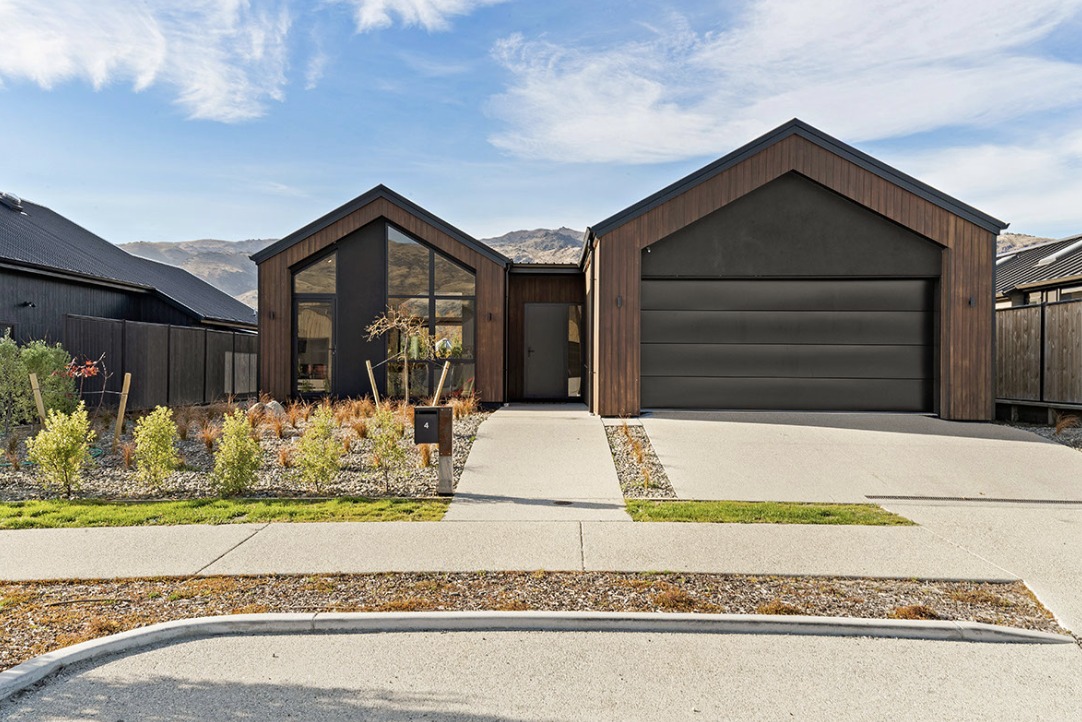
For buyers, lower maintenance requirements translate into reduced ownership expenses and greater peace of mind. This added value can positively influence resale prices.
Future-Proofing Against Rising Energy Costs
Energy prices can fluctuate significantly over time. Homes designed with energy efficiency in mind are better positioned to withstand future increases in utility costs.

Features such as solar readiness, advanced insulation, and smart energy management systems help homeowners maintain affordability for years to come. Buyers often view these advantages as a worthwhile investment, increasing the property’s appeal and value.
Environmental Benefits That Matter
Many Atlanta homebuyers are seeking ways to reduce their environmental footprint without sacrificing comfort or style. Green homes support sustainable living through reduced energy use, lower carbon emissions, and responsible resource management.
As environmental awareness continues to grow, homes that align with these values are likely to remain in demand and retain strong market appeal.
Why Atlanta Is Ideal for Green Home Construction
Atlanta’s climate presents unique opportunities for energy-efficient home design. Proper insulation, efficient cooling systems, and smart home technologies can significantly improve year-round comfort while reducing energy consumption.
With increasing demand for sustainable housing and a growing focus on energy efficiency, Atlanta homeowners are well-positioned to benefit from green home construction both today and in the future.

Green homes offer far more than environmental benefits. They provide lower operating costs, enhanced comfort, improved durability, and stronger buyer appeal—all factors that can contribute to increased property value.
For Atlanta homeowners and prospective buyers, investing in a green home is a smart long-term strategy that delivers financial, lifestyle, and environmental advantages. As the demand for sustainable living continues to grow, green homes are likely to remain one of the most valuable investments in Atlanta’s evolving housing market.