
When building a new home, the upfront cost is only one part of the investment. Homeowners also need to think about what it will cost to operate, maintain and live in the property over the years.
For people searching for energy-efficient homes in Atlanta, thoughtful design can provide benefits that go beyond reducing energy consumption. A well-designed home can improve indoor comfort, make better use of natural light and airflow, and potentially contribute to long-term property value.
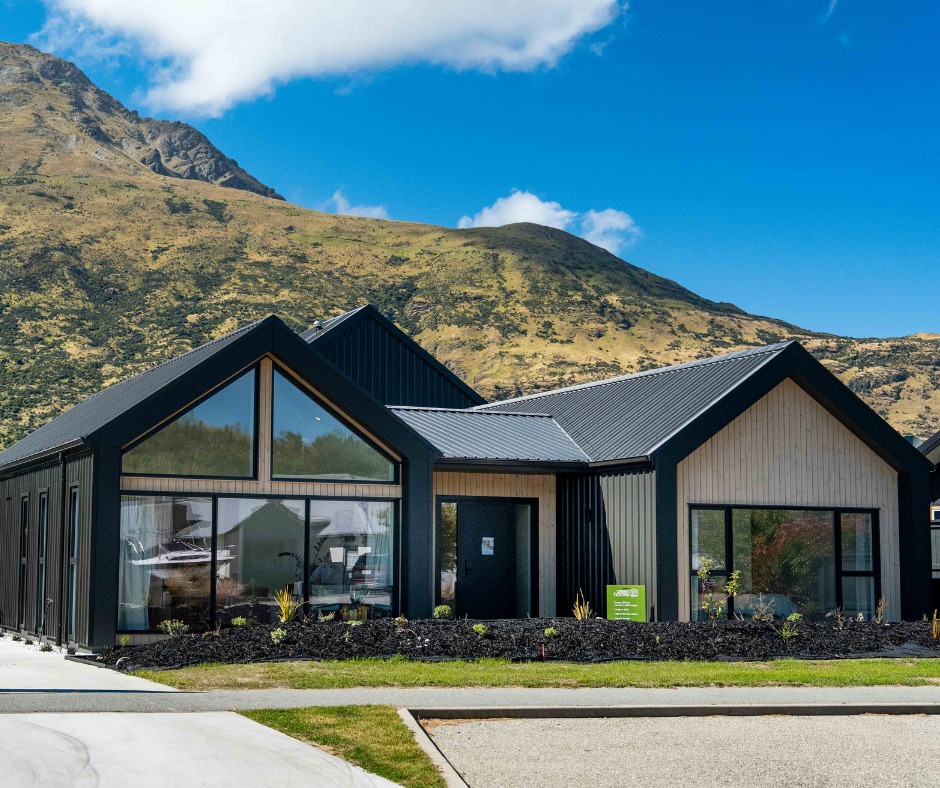
Atlanta’s climate brings hot, humid summers and cooler winter periods, making heating and cooling an important part of household energy use. This means the way a home is designed can have a meaningful impact on everyday comfort.
Working with an experienced Atlanta home builder can help homeowners consider energy efficiency from the beginning rather than trying to improve the home after construction.
Comfort Is Just as Important as Energy Savings
Energy efficiency shouldn’t simply be about lowering a utility bill.
A home should also feel comfortable.
During Atlanta’s hot summer months, thoughtful design can help manage unwanted heat and support more consistent indoor temperatures. During cooler periods, effective insulation and a well-designed building envelope can help retain warmth.
This can reduce the amount of work heating and cooling systems need to do.
The result can be a home where rooms feel more consistently comfortable rather than experiencing significant temperature differences throughout the day.
For families, this can make a noticeable difference to everyday living.
Smart Layouts Can Make a Home More Efficient
The floor plan is another important part of energy-efficient home design.
A smart layout considers how rooms relate to one another, where natural light enters the home and how air can move between spaces.
Open-plan living areas, for example, can create connected spaces that allow daylight to travel further into the home. Strategically positioned windows can also create opportunities for natural ventilation when outdoor conditions are suitable.
However, open-plan design should be more than simply removing walls.
The most effective layouts consider:
Room orientation
Where should the bedrooms and living spaces be positioned?
Natural light
Can frequently used rooms make good use of daylight?
Ventilation
Can windows create opportunities for cross ventilation?
Building envelope
Can the design minimise unwanted heat transfer?
Daily lifestyle
Does the floor plan support how the family actually uses the home?
This approach creates a home that is designed around both efficiency and everyday functionality.
Energy Efficiency Can Support Long-Term Home Value
A home is one of the biggest investments many people will make, so it makes sense to consider how its design may perform in the future.
Energy-efficient features can make a property more attractive to homeowners who are increasingly conscious of ongoing living costs and environmental impact.
A comfortable home with thoughtful energy performance may also provide a stronger point of difference when it comes time to sell.

While no feature can guarantee a particular resale price, incorporating practical efficiency into a new home can help create a property that remains relevant as homeowner expectations continue to evolve.
For those planning sustainable homes in Georgia, thinking about long-term performance can therefore be just as important as choosing the right architectural style.
Why Work With an Atlanta Home Builder?
Building an energy-efficient home requires decisions to be made well before construction begins.
The location of the home on the block, floor plan, window placement, insulation strategy and building materials can all influence the final result.
An experienced Atlanta home builder can help homeowners understand how these choices interact with Atlanta’s climate and their individual lifestyle requirements.
Instead of asking only, “How much will it cost to build?”, it can be useful to also ask:
- How will this home perform during Atlanta’s summers?
- How will the design manage indoor temperatures?
- Where will natural light enter the home?
- Can the layout support natural airflow?
- What features could reduce ongoing energy consumption?
- How can the home remain comfortable as energy costs change?
These questions help shift the focus from simply building a house to creating a home designed for long-term living.
A Smarter Investment Starts With Better Design
For homeowners considering energy-efficient homes in Atlanta, the benefits extend beyond monthly utility bills.
Thoughtful design can contribute to improved comfort, smarter use of natural resources, flexible living spaces and a home that is better prepared for the future.
Whether you’re planning a family home or a custom home, energy efficiency should be considered from the very beginning.
At GH Builders USA, the goal is to bring sustainable thinking into the home-building process while creating modern spaces designed around the people who live in them.
A smarter home isn’t just about how it looks today. It’s about how well it works for you for years to come.
