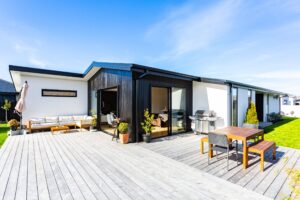
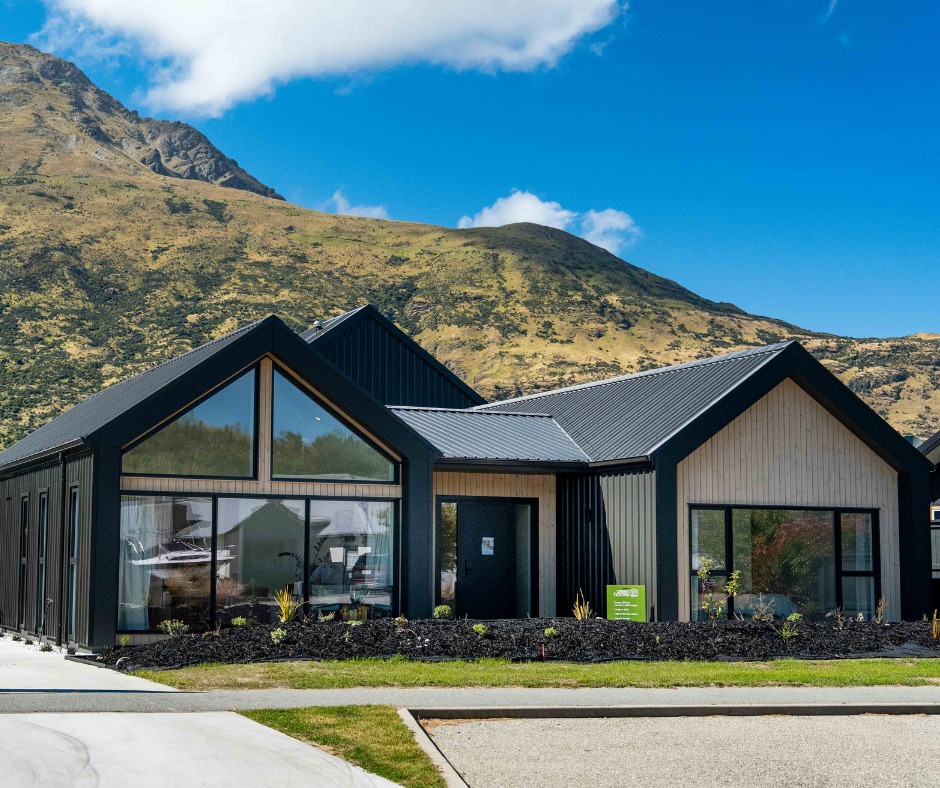
Energy-Efficient Green Homes Designed for Atlanta Living

Energy-Efficient Green Homes Designed for Atlanta Living

Atlanta homeowners are embracing green homes that combine stylish design, comfort, and long-term energy savings. With rising energy costs and a changing climate, energy-efficient homes in Atlanta are becoming a popular choice for families looking for smarter ways to build.

Modern sustainable home designs focus on features that improve comfort and reduce energy consumption. High-performance insulation, energy-efficient windows, smart home technology, and advanced HVAC systems help maintain comfortable indoor temperatures throughout Atlanta’s hot and humid summers.

Passive solar design is also transforming the way homes are built in Atlanta. By maximising natural light, ventilation, and solar positioning, homeowners can enjoy healthier living spaces while lowering their monthly energy bills.

Choosing a green home builder in Atlanta allows homeowners to create a home that delivers modern style, improved efficiency, and long-term value. From eco-friendly materials to energy-saving features, today’s green homes are designed for the future.

Build a home that is comfortable, efficient, and sustainable with a design that suits Atlanta’s climate and lifestyle.

Best Home Features for Houston Summers

Best Home Features for Houston Summers

Houston’s hot and humid climate makes energy-efficient home design more important than ever. Choosing the right home features can help homeowners stay comfortable while reducing cooling costs throughout the summer.

One of the most effective features is high-performance insulation, which helps keep heat out and cool air in. Energy-efficient windows with low-E glass can also reduce heat transfer and protect indoor spaces from intense sunlight.

A well-designed HVAC system, combined with smart thermostats, helps maintain consistent indoor temperatures while improving energy efficiency. Homes that incorporate passive solar design, shaded outdoor areas, and proper ventilation can further enhance comfort during Houston’s hottest months.

Many homeowners are also investing in solar-ready homes, energy-efficient appliances, and reflective roofing materials to lower energy consumption and improve long-term savings.

By incorporating these features, homeowners can enjoy a cooler, healthier, and more energy-efficient living environment while reducing their reliance on air conditioning during Houston summers.

Why Choosing a Pre-Designed Home Plan Can Save You Time and Money

Save Time and Money with Pre-Designed Home Plans

If you’re searching for energy-efficient home designs, affordable house plans, or new home builders in Australia, choosing a pre-designed home plan could be one of the smartest decisions you make.

Pre-designed home plans are created by experienced designers and builders to deliver functional layouts, modern living spaces, and proven performance. Unlike custom home designs, these plans are ready to build, helping homeowners save valuable time during the planning and approval stages.

One of the biggest advantages of a pre-designed home is cost savings. Because the design and engineering work have already been completed, homeowners can reduce architectural and drafting expenses while benefiting from a more predictable building budget. This makes pre-designed homes an attractive option for families looking for affordable new homes without compromising on quality.

Many modern energy-efficient house plans are also designed to maximise natural light, ventilation, and thermal comfort. Features such as passive solar design, high-performance insulation, and sustainable building materials can help reduce ongoing energy costs and improve year-round comfort.

For homeowners looking to build faster, reduce design costs, and enjoy a proven home design, a pre-designed home offers exceptional value. At Green Homes Australia, our range of energy-efficient home plans combines sustainability, comfort, and affordability to help Australian families build a smarter future.

Green Homes Design -Highclere

What’s New in American Home Design for 2026?

The American housing market continues to evolve as homeowners prioritize comfort, energy efficiency, technology, and long-term value. In 2026, home design is no longer just about aesthetics—it’s about creating living spaces that are smarter, healthier, more resilient, and more cost-effective to operate.

From advanced energy-saving features to flexible floor plans and climate-responsive construction, today’s homebuyers are looking for homes that can adapt to changing lifestyles while reducing ongoing expenses. Here are the top home design trends shaping American homes in 2026.

Energy Efficiency Becomes the New Standard

One of the biggest shifts in home design is the growing demand for energy-efficient homes. Rising utility costs have encouraged homeowners to seek features that reduce energy consumption without sacrificing comfort.

Many new homes now include:

  • High-performance insulation
  • Energy-efficient windows and doors
  • Advanced air sealing techniques
  • Energy-saving HVAC systems
  • Solar-ready roof designs

These features help homeowners maintain comfortable indoor temperatures year-round while lowering monthly energy bills.

Smart Home Technology Continues to Advance

Smart homes are becoming increasingly sophisticated and user-friendly. In 2026, technology is integrated into nearly every aspect of home design, giving homeowners greater control over their living environment.

Popular smart home features include:

  • Automated lighting systems
  • Smart thermostats
  • Voice-controlled devices
  • Advanced security systems
  • Energy monitoring technology
  • Smart appliances

These innovations improve convenience, increase security, and help homeowners manage energy usage more effectively.

Flexible Floor Plans Are in High Demand

The way Americans use their homes has changed significantly over the past few years. Homeowners now want spaces that can serve multiple purposes and adapt as their needs evolve.

Modern floor plans often include:

  • Dedicated home offices
  • Multi-purpose rooms
  • Flexible guest spaces
  • Learning and study areas
  • Fitness and wellness rooms

This adaptability allows homeowners to maximize functionality without increasing the overall size of the home.

Health and Wellness Are Influencing Design Decisions

Today’s buyers are paying closer attention to how their homes impact their health and well-being. As a result, wellness-focused design has become a major trend in residential construction.

Key features include:

  • Improved indoor air quality systems
  • Enhanced ventilation
  • Large windows for natural light
  • Low-VOC building materials
  • Moisture control systems

These design elements help create healthier indoor environments while improving comfort and livability.

Climate-Resilient Homes Are Gaining Popularity

As weather patterns become increasingly unpredictable, homeowners are looking for homes that can better withstand environmental challenges.

Climate-resilient design strategies may include:

  • Durable exterior materials
  • Storm-resistant construction techniques
  • Water management systems
  • Impact-resistant windows
  • Enhanced roof systems

These features can help protect homes while reducing maintenance and repair costs over time.

Sustainability Remains a Major Priority

Sustainable building practices continue to influence home design across the United States. More buyers are seeking environmentally responsible homes that reduce their carbon footprint and operating costs.

Popular sustainable features include:

  • Solar-ready designs
  • Energy-efficient appliances
  • Water-saving fixtures
  • Sustainable building materials
  • Efficient landscaping solutions

These features support long-term environmental goals while providing practical financial benefits for homeowners.

Outdoor Living Spaces Continue to Expand

Outdoor living remains one of the most requested features among American homebuyers. Homeowners increasingly view outdoor areas as an extension of their indoor living space.

Popular outdoor design trends include:

  • Covered patios
  • Outdoor kitchens
  • Fire pit gathering areas
  • Flexible entertainment spaces
  • Integrated landscaping

Well-designed outdoor areas provide additional living space and create opportunities for year-round enjoyment.

Simplicity and Functionality Drive Interior Design

Homeowners are moving away from overly complex layouts and focusing on practical, timeless design. Clean lines, functional spaces, and durable materials are becoming more desirable than short-lived design trends.

Key characteristics include:

  • Open but purposeful layouts
  • Minimalist design elements
  • Durable finishes
  • Neutral color palettes
  • Smart storage solutions

This approach creates homes that remain attractive and functional for years to come.

The Future of American Home Design

The home design trends of 2026 reflect a growing focus on performance, comfort, sustainability, and adaptability. Homeowners want homes that not only look great but also support healthier lifestyles, lower operating costs, and greater resilience in the years ahead.

At GH Builders USA, we understand how modern homebuyers’ needs are evolving. That’s why we design and build high-performance homes that combine energy efficiency, innovative technology, and climate-responsive design to create comfortable, future-ready living spaces.

Ready to Build a Home Designed for the Future?

Contact GH Builders USA today to discover how our innovative home designs can help you build a smarter, more efficient, and more comfortable home for 2026 and beyond.

What Makes a Home Climate-Resilient in Houston?

What Makes a Home Climate-Resilient in Houston?

Houston homeowners face unique environmental challenges throughout the year. From intense summer heat and humidity to heavy rainfall, hurricanes, and flooding, homes in the region need to be designed to withstand a variety of climate conditions. A climate-resilient home is built to handle these challenges while maintaining comfort, durability, and energy efficiency.

At GH Builders USA, we believe that designing for Houston’s climate is essential for creating homes that perform well for decades. Here are the key features that make a home climate-resilient in Houston.

Elevated and Flood-Conscious Design

Flooding is one of the biggest concerns for Houston homeowners. A climate-resilient home starts with thoughtful site planning and construction techniques that help reduce flood risks.

Key flood-resilient features include:

  • Elevated foundations where appropriate
  • Proper site grading and drainage systems
  • Permeable landscaping solutions
  • Water-resistant building materials in vulnerable areas
  • Rainwater management systems

By addressing water management from the beginning, homeowners can better protect their investment during severe weather events.

High-Performance Building Envelope

Houston’s hot and humid climate places significant demands on a home’s building envelope. The roof, walls, windows, and insulation must work together to reduce heat transfer and improve comfort.

Important features include:

  • High-quality insulation
  • Energy-efficient windows with low-E glass
  • Air sealing to prevent unwanted air leakage
  • Reflective roofing materials
  • Advanced weather barriers

A well-designed building envelope helps maintain indoor temperatures while reducing energy consumption throughout the year.

Hurricane and Storm Resistance

Houston regularly experiences severe storms and hurricane threats. Climate-resilient homes incorporate structural elements designed to withstand high winds and extreme weather conditions.

These may include:

  • Impact-resistant windows and doors
  • Reinforced roof systems
  • Strong framing connections
  • Wind-rated garage doors
  • Durable exterior cladding materials

These features help improve safety and reduce potential storm-related damage.

Moisture and Humidity Control

Houston’s high humidity levels can contribute to mold growth, indoor air quality issues, and material deterioration if not properly managed.

Effective moisture management strategies include:

  • Proper ventilation systems
  • Sealed building envelopes
  • Dehumidification solutions
  • Moisture-resistant construction materials
  • Controlled attic ventilation

Managing humidity helps create a healthier and more comfortable indoor environment.

Energy-Efficient Cooling Systems

Air conditioning is essential in Houston, making HVAC performance a major factor in home resilience and affordability.

Climate-resilient homes often include:

  • High-efficiency HVAC systems
  • Smart thermostats
  • Zoned cooling systems
  • Energy recovery ventilation
  • Proper duct design and sealing

These features help reduce energy costs while maintaining comfort during extreme heat.

Solar-Ready and Backup Power Solutions

Power outages can occur during storms and extreme weather events. Many Houston homeowners are choosing homes designed for future energy independence.

Options may include:

  • Solar-ready roof designs
  • Battery storage systems
  • Backup generators
  • Electric vehicle charging infrastructure
  • Smart energy management systems

These technologies help improve resilience during grid disruptions while supporting long-term energy savings.

Durable Exterior Materials

The materials used on a home’s exterior play a significant role in how well it withstands Houston’s climate.

Popular climate-resilient materials include:

  • Fiber cement siding
  • Impact-resistant roofing products
  • Moisture-resistant exterior finishes
  • Corrosion-resistant hardware
  • Durable window and door systems

Choosing quality materials can reduce maintenance requirements and extend the lifespan of the home.

Water-Efficient Landscaping

A climate-resilient property extends beyond the home itself. Landscaping can help manage stormwater while reducing water consumption.

Smart landscaping features include:

  • Native and drought-tolerant plants
  • Efficient irrigation systems
  • Rain gardens
  • Shade trees for cooling
  • Permeable paving surfaces

These solutions support both sustainability and long-term property performance.

Smart Home Technology

Technology can help homeowners monitor and manage their home’s performance more effectively.

Examples include:

  • Leak detection systems
  • Smart irrigation controls
  • Energy monitoring systems
  • Weather-responsive automation
  • Security and emergency alert systems

These tools provide greater control and can help identify issues before they become major problems.

Building for Houston’s Future

As weather patterns become increasingly unpredictable, climate resilience is becoming a top priority for Houston homeowners. A climate-resilient home is designed to protect against extreme weather, reduce energy costs, improve comfort, and provide long-term value.

At GH Builders USA, we design homes that respond to Houston’s unique climate challenges through energy-efficient construction, durable materials, and smart design strategies. By investing in climate-resilient features today, homeowners can enjoy greater peace of mind and a more comfortable living environment for years to come.

Ready to build a climate-resilient home in Houston? Contact GH Builders USA today to learn how our high-performance home designs can help you create a safer, more efficient, and more comfortable future.

Benefits of High-Performance Homes in Atlanta

Benefits of High-Performance Homes in Atlanta

Build Smarter for Atlanta’s Unique Climate

Atlanta homeowners experience a wide range of weather conditions throughout the year. From hot, humid summers to cooler winters and unpredictable seasonal changes, your home needs to perform efficiently in every season. That’s why more homeowners are choosing high-performance homes designed to deliver greater comfort, lower energy costs, and long-term value.

A high-performance home is built using advanced design principles, quality materials, and energy-efficient technologies that work together to create a healthier and more comfortable living environment. For Atlanta families, the benefits go far beyond energy savings.

Lower Energy Bills Year-Round

Atlanta’s long summers often lead to high cooling costs. A high-performance home is designed to reduce the amount of energy required to keep your home comfortable.

Features such as:

  • High-performance insulation
  • Energy-efficient windows and doors
  • Airtight construction
  • Advanced HVAC systems
  • Smart home energy management

help maintain consistent indoor temperatures while reducing the workload on heating and cooling systems.

The result is lower monthly utility bills and improved energy efficiency throughout the year.

Better Comfort in Every Season

Traditional homes can experience hot and cold spots, drafts, and fluctuating indoor temperatures. High-performance homes are specifically designed to provide consistent comfort throughout every room.

During Atlanta’s humid summers, superior insulation and air sealing help keep unwanted heat and moisture outside. In winter, the same features help retain warmth and reduce drafts.

This creates a more comfortable living environment regardless of outdoor conditions.

Improved Indoor Air Quality

Atlanta’s humidity levels can contribute to moisture-related issues such as mold growth, allergens, and poor indoor air quality.

High-performance homes often include:

  • Controlled ventilation systems
  • Air filtration technologies
  • Moisture management solutions
  • Low-emission building materials

These features help maintain cleaner indoor air and create a healthier environment for your family.

Greater Protection Against Humidity

Humidity is one of the biggest challenges for homeowners in Georgia. Excess moisture can impact comfort, increase cooling costs, and contribute to long-term building damage.

High-performance home designs focus on moisture control through:

  • Proper building envelope design
  • Air sealing techniques
  • High-quality insulation
  • Efficient ventilation systems

By managing humidity effectively, homeowners can enjoy better comfort and protect their investment for years to come.

Increased Home Value

Energy-efficient and sustainable homes continue to attract strong buyer interest across the Atlanta housing market.

Many homebuyers are actively searching for properties that offer:

  • Lower operating costs
  • Modern energy-saving features
  • Enhanced comfort
  • Sustainable building practices

A high-performance home can provide a competitive advantage and potentially increase resale value in the future.

Reduced Environmental Impact

Building a high-performance home allows homeowners to reduce their carbon footprint while enjoying the benefits of lower energy consumption.

Features such as solar-ready designs, efficient appliances, and advanced building materials help minimize environmental impact without sacrificing comfort or style.

For many Atlanta homeowners, sustainability is becoming an important consideration when planning a new home.

Enhanced Durability and Long-Term Savings

A well-designed high-performance home is built to last. Quality construction practices help reduce wear and tear caused by moisture, temperature fluctuations, and air leakage.

This can lead to:

  • Lower maintenance costs
  • Longer-lasting building materials
  • Improved system performance
  • Reduced repair expenses over time

The long-term financial benefits often extend well beyond monthly energy savings.

Why Atlanta Homeowners Are Choosing High-Performance Homes

As energy costs continue to rise and homeowners seek healthier, more comfortable living spaces, high-performance homes are becoming the preferred choice across Atlanta.

By combining energy efficiency, advanced building science, and climate-responsive design, these homes deliver exceptional comfort, lower operating costs, and long-term value.

Whether you’re planning your first home or upgrading to your forever home, investing in a high-performance home is one of the smartest decisions you can make for Atlanta’s climate.

Build a High-Performance Home with GH Builders Atlanta

At GH Builders Atlanta, we design and build homes that are tailored to Georgia’s climate and focused on energy efficiency, comfort, and sustainability. Our team can help you create a home that performs better, costs less to operate, and provides lasting value for your family.

Contact GH Builders Atlanta today to learn more about building a high-performance home designed for Atlanta living.

GH Builders Design - Jervis

What Makes a Green Home Builder Different from a Traditional Builder?

As more homeowners prioritize energy efficiency, sustainability, and long-term savings, green home building has become an increasingly popular choice. While both traditional builders and green home builders construct quality homes, their approach, materials, and overall goals can be quite different.

Understanding these differences can help you make an informed decision when choosing the right builder for your new home.

A Focus on Energy Efficiency

One of the biggest distinctions between a green home builder and a traditional builder is the emphasis on energy performance.

Green home builders design homes to use less energy without sacrificing comfort. They carefully consider factors such as insulation, air sealing, window placement, and heating and cooling systems to create homes that maintain comfortable indoor temperatures throughout the year.

Traditional builders may meet minimum building code requirements, while green home builders often go beyond those standards to improve efficiency and reduce energy consumption.

Sustainable Building Materials

Green home builders prioritize materials that have a lower environmental impact. This may include:

  • Recycled or reclaimed materials
  • Sustainably sourced timber
  • Low-VOC paints and finishes
  • Energy-efficient windows and doors
  • Durable materials designed for long-term performance

Traditional builders may focus primarily on cost and availability, whereas green builders evaluate both environmental impact and long-term value.

Better Indoor Air Quality

A green home is designed to support healthier living conditions.

Green home builders often use low-emission products and advanced ventilation systems that help reduce indoor pollutants, allergens, and moisture buildup. This creates a cleaner and healthier indoor environment for homeowners and their families.

Traditional construction methods may not place the same level of importance on indoor air quality, especially when selecting building materials and ventilation systems.

Water Efficiency Measures

Water conservation is another key element of green home construction.

Green home builders frequently incorporate features such as:

  • Water-efficient fixtures
  • Smart irrigation systems
  • Rainwater collection options
  • Drought-tolerant landscaping designs

These features help homeowners reduce water consumption and lower utility costs over time.

Whole-Home Performance Approach

Traditional builders often focus on individual building components. Green home builders, however, take a whole-home approach.

Every element of the home is designed to work together efficiently. Insulation, ventilation, windows, roofing, appliances, and mechanical systems are carefully selected and integrated to maximize performance.

This comprehensive strategy helps create homes that are more comfortable, durable, and energy-efficient.

Long-Term Cost Savings

While some green building features may require a higher upfront investment, they often provide significant long-term savings.

Homeowners can benefit from:

  • Lower energy bills
  • Reduced water costs
  • Fewer maintenance requirements
  • Increased durability of building materials
  • Potentially higher resale value

Green home builders focus on lifetime value rather than simply minimizing initial construction costs.

Commitment to Sustainability

Green builders are dedicated to reducing the environmental impact of residential construction. This includes minimizing waste during the building process, sourcing responsible materials, and incorporating technologies that reduce resource consumption throughout the life of the home.

Their goal is to create homes that are not only comfortable and attractive but also environmentally responsible.

Future-Ready Home Design

As energy standards continue to evolve, green home builders often design homes with the future in mind. Many green homes are prepared for technologies such as:

  • Solar power systems
  • Battery storage solutions
  • Electric vehicle charging stations
  • Smart home energy management systems

This future-focused approach helps homeowners adapt to changing energy needs and sustainability trends.

Conclusion

The difference between a green home builder and a traditional builder goes far beyond the materials used during construction. Green home builders focus on energy efficiency, sustainability, healthier indoor environments, water conservation, and long-term performance.

For homeowners looking to reduce utility costs, improve comfort, and minimize environmental impact, partnering with a green home builder can provide lasting benefits. By taking a whole-home approach and prioritizing efficiency at every stage of construction, green builders create homes designed for the needs of today and the future.

How to Choose the Right Lot for Your Houston Home

How to Choose the Right Lot for Your Houston Home

Building a custom home in Houston is an exciting opportunity to create a space tailored to your lifestyle, needs, and future goals. However, before choosing floor plans, finishes, or architectural styles, one of the most important decisions you’ll make is selecting the right piece of land.

The lot you choose can significantly impact construction costs, home design possibilities, long-term value, and your overall living experience. Here are some essential land selection tips to help you make an informed decision when planning your custom home in Houston.

Consider the Location Carefully

The location of your lot will influence your daily life and future property value. Consider factors such as:

  • Proximity to work, schools, and shopping centers
  • Access to major highways and transportation routes
  • Neighborhood amenities and community features
  • Future development plans in the area

A desirable location not only enhances convenience but can also improve your home’s resale value over time.

Understand Flood Zones and Drainage

Houston’s climate and geography make flood risk an important consideration. Before purchasing land, research whether the property is located in a flood-prone area and review local flood maps.

Proper drainage is equally important. A lot with poor drainage may require additional site work and increase construction costs. Consulting with professionals can help identify potential issues before you buy.

Evaluate Lot Size and Shape

The size and shape of your lot will determine what type of home you can build.

Consider:

  • Desired home size and layout
  • Outdoor living spaces
  • Pool or landscaping plans
  • Future additions or expansions

An irregularly shaped lot may present design challenges, while a larger lot can provide more flexibility and privacy.

Check Utility Availability

Before finalizing a land purchase, verify that essential utilities are available or can be connected easily, including:

  • Water service
  • Sewer systems
  • Electricity
  • Natural gas
  • Internet and communication services

Installing utilities on undeveloped land can add significant costs to your project if they are not already accessible.

Review Zoning and Building Restrictions

Local zoning regulations and deed restrictions can affect what you can build on a property. Some neighborhoods have specific requirements regarding:

  • Home size
  • Architectural style
  • Setback requirements
  • Building height
  • Exterior materials

Understanding these restrictions early can prevent costly surprises later in the design process.

Assess Soil Conditions

Houston’s soil conditions can vary significantly from one area to another. Certain soil types may require specialized foundation solutions to ensure long-term stability.

A professional soil test can identify:

  • Soil composition
  • Drainage characteristics
  • Foundation requirements
  • Potential construction challenges

Investing in a soil assessment can help avoid future structural issues.

Consider Sun Orientation

The direction your home faces can impact energy efficiency and indoor comfort. Strategic lot orientation can help maximize natural light while reducing heat gain during Houston’s hot summers.

Custom home builders often use lot orientation to improve:

  • Energy efficiency
  • Indoor comfort
  • Outdoor living space usability
  • Overall home performance

Think About Long-Term Value

When selecting land, consider not only your current needs but also future market trends. Areas experiencing growth and infrastructure improvements often offer stronger long-term value.

Research:

  • Planned developments
  • School district performance
  • Commercial expansion
  • Community investment projects

These factors can influence property appreciation over time.

Work With Experienced Custom Home Professionals

Choosing the right lot requires more than simply finding available land. Experienced custom home builders can help evaluate site conditions, identify potential challenges, and determine whether a property aligns with your vision and budget.

Their expertise can save time, reduce risks, and help ensure your custom home project starts on a strong foundation.

Final Thoughts

The success of your custom home project begins with selecting the right piece of land. By carefully evaluating location, flood risk, lot characteristics, utilities, zoning requirements, and future growth potential, you can make a confident investment that supports your dream home for years to come.

If you’re planning a custom home in Houston, working with an experienced builder during the land selection process can help you avoid costly mistakes and make the most of your investment from day one.

Why Green Homes Stay More Comfortable in Every Season

Why Green Homes Stay More Comfortable in Every Season

Modern homeowners want more than just a beautiful house—they want a home that feels comfortable year-round without relying heavily on heating and cooling systems. That’s where green homes stand out. Designed with energy efficiency, smart building practices, and sustainability in mind, green homes maintain a more stable indoor environment through every season.

At GH Builders USA, we understand that true comfort comes from thoughtful design. Here’s why green homes consistently outperform traditional homes when it comes to year-round living comfort.

What Makes a Green Home Different?

A green home is designed to work with the environment rather than against it. Through advanced construction techniques, quality insulation, energy-efficient materials, and smart home design, green homes reduce temperature fluctuations and create healthier indoor living spaces.

Instead of constantly battling the weather outside, green homes help maintain comfortable indoor conditions naturally.

Better Insulation Keeps Temperatures Stable

One of the biggest reasons green homes stay comfortable is superior insulation.

Traditional homes often experience heat loss during winter and unwanted heat gain during summer. Green homes use high-performance insulation throughout walls, ceilings, and floors to create an effective thermal barrier.

Benefits include:

  • Warmer interiors during colder months
  • Cooler indoor temperatures during summer
  • Reduced drafts and cold spots
  • Lower reliance on heating and cooling systems

This consistent thermal performance helps maintain comfort regardless of outdoor conditions.

High-Performance Windows Improve Year-Round Comfort

Windows play a major role in indoor temperature control.

Green homes typically feature double or triple-glazed windows with advanced coatings that minimize heat transfer. These windows allow natural light to enter while reducing unwanted heat gain or loss.

Advantages include:

  • Improved indoor temperature stability
  • Reduced glare
  • Better noise reduction
  • Enhanced natural lighting

The result is a brighter, more comfortable living environment throughout the year.

Smart Home Orientation Maximizes Natural Energy

Green homes are often designed with careful consideration of the home’s position on the block.

Known as passive solar design, this approach maximizes natural sunlight during cooler months while minimizing excessive heat during warmer seasons.

Key benefits include:

  • More natural warmth in winter
  • Less overheating in summer
  • Reduced energy consumption
  • Improved indoor comfort

By utilizing the sun’s natural energy, homeowners enjoy a more balanced indoor climate year-round.

Improved Air Sealing Eliminates Drafts

Small gaps and cracks around doors, windows, and building materials can significantly impact comfort.

Green homes use advanced air-sealing techniques to reduce unwanted air leakage. This creates a more controlled indoor environment and prevents outdoor temperatures from affecting indoor comfort.

Benefits include:

  • Fewer drafts
  • More even temperatures between rooms
  • Improved energy efficiency
  • Better indoor air quality

Homeowners often notice a significant difference in overall comfort compared to older or conventionally built homes.

Better Indoor Air Quality

Comfort isn’t just about temperature—it’s also about the air you breathe.

Green homes often incorporate:

  • Mechanical ventilation systems
  • Air filtration technologies
  • Low-emission building materials
  • Moisture control solutions

These features help reduce pollutants, allergens, and excess humidity while maintaining fresh airflow throughout the home.

The result is a healthier, more comfortable living environment for families in every season.

Energy-Efficient Heating and Cooling Systems

When heating or cooling is needed, green homes use highly efficient systems designed to maintain consistent temperatures with less energy.

Modern systems can:

  • Respond more effectively to temperature changes
  • Maintain even comfort levels
  • Reduce operating costs
  • Improve overall home performance

Combined with efficient building design, these systems work less while delivering greater comfort.

Reduced Humidity Issues

Humidity can significantly affect how comfortable a home feels.

Green homes are designed to better manage moisture levels through proper ventilation, insulation, and building envelope performance.

This helps prevent:

  • Damp indoor conditions
  • Excess condensation
  • Mold growth
  • Uncomfortable humidity swings

Balanced humidity levels contribute to a more pleasant living environment throughout the year.

Lower Energy Bills Without Sacrificing Comfort

Many homeowners assume that staying comfortable requires higher energy usage. Green homes prove otherwise.

Because they naturally maintain more stable temperatures, homeowners often enjoy:

  • Lower heating costs during winter
  • Reduced cooling expenses during summer
  • Greater energy efficiency
  • Long-term savings

Comfort and affordability can work together when a home is designed efficiently from the start.

Why More Homeowners Are Choosing Green Homes

As energy costs continue to rise, homeowners are increasingly seeking homes that provide year-round comfort without excessive utility bills.

Green homes offer:

  • Consistent indoor temperatures
  • Improved air quality
  • Enhanced energy efficiency
  • Reduced environmental impact
  • Lower operating costs

These advantages make green home design an attractive choice for families looking to invest in long-term comfort and sustainability.

Build a More Comfortable Home with GH Builders USA

A truly comfortable home should perform well in every season. Through smart design, energy-efficient materials, and sustainable building practices, green homes create healthier, more comfortable living environments year-round.

At GH Builders USA, we help homeowners build energy-efficient homes that deliver lasting comfort, lower energy costs, and exceptional performance in every season. Contact our team today to learn how a green home can transform the way you live.

New Home Construction Houston: A Step-by-Step Guide

Building a new home is an exciting opportunity to create a space that fits your lifestyle, preferences, and future needs. Whether you’re building your first home or upgrading to your dream property, understanding the construction process can help you make informed decisions and avoid unnecessary stress.

If you’re planning a new home construction project in Houston, this step-by-step guide will walk you through the key stages, from initial planning to move-in day.

Step 1: Define Your Vision and Budget

Before construction begins, it’s important to establish your goals for the project. Consider factors such as:

  • Home size and layout
  • Number of bedrooms and bathrooms
  • Architectural style
  • Energy-efficient features
  • Smart home technology
  • Outdoor living spaces

At the same time, determine a realistic budget that includes construction costs, permits, design fees, landscaping, and contingency funds for unexpected expenses

Step 2: Choose the Right Location

Houston offers a wide range of neighborhoods and communities, each with unique benefits. When selecting a lot, consider:

  • Proximity to work and schools
  • Access to shopping and amenities
  • Future development plans
  • Flood zones and drainage considerations
  • Property size and orientation

Choosing the right location is one of the most important decisions in the home-building process.

Step 3: Partner With an Experienced Home Builder

Selecting a reputable home builder can make all the difference in your construction experience. Look for a builder with:

  • Proven experience in Houston
  • Strong client reviews and testimonials
  • Transparent pricing and contracts
  • Knowledge of local building codes
  • Quality craftsmanship

A trusted builder will guide you through each phase of the project and help ensure your home is built to the highest standards.

Step 4: Design Your New Home

The design phase transforms your ideas into detailed plans. During this stage, you’ll work with designers and builders to finalize:

  • Floor plans
  • Exterior elevations
  • Interior layouts
  • Material selections
  • Energy-efficient upgrades
  • Storage solutions

This is also the ideal time to incorporate features that can enhance comfort, functionality, and long-term value.

Step 5: Secure Permits and Approvals

Before construction can begin, the necessary permits and approvals must be obtained. Depending on the location and scope of the project, requirements may include:

  • Building permits
  • Site approvals
  • Utility connections
  • Environmental compliance

An experienced builder will typically handle much of this process on your behalf, ensuring all regulations are met.

Step 6: Site Preparation and Foundation Work

Once permits are approved, construction begins with site preparation. This stage typically includes:

  • Clearing and grading the land
  • Establishing drainage systems
  • Preparing utility connections
  • Pouring the foundation

A strong foundation is essential for the structural integrity and longevity of your new home.

Step 7: Framing and Structural Construction

Framing creates the skeleton of your home. During this phase, contractors construct:

  • Exterior walls
  • Roof structure
  • Interior walls
  • Windows and door openings

As the frame takes shape, you’ll begin to see your home’s design come to life.

Step 8: Install Essential Systems

After framing is complete, contractors install critical systems, including:

  • Plumbing
  • Electrical wiring
  • HVAC systems
  • Insulation

These components are carefully inspected to ensure they meet local building standards and safety requirements.

Step 9: Interior and Exterior Finishes

This is one of the most exciting stages of the project. Interior and exterior finishes begin to transform the structure into a completed home.

Common finishing work includes:

  • Flooring installation
  • Cabinetry and countertops
  • Interior painting
  • Lighting fixtures
  • Exterior siding and brickwork
  • Landscaping preparation

Attention to detail during this stage helps create a polished and personalized living space.

Step 10: Final Inspections and Walkthrough

Before receiving the keys, the home must pass final inspections. Your builder will also conduct a walkthrough with you to review:

  • Completed work
  • Home systems and operations
  • Warranty information
  • Any final adjustments or touch-ups

This ensures everything meets expectations before move-in day.

Step 11: Move Into Your New Houston Home

Once inspections are complete and the final paperwork is signed, it’s time to move into your new home. You’ll be able to enjoy a space designed specifically for your family’s needs, with modern features, energy-efficient systems, and quality construction built to last.

Why Build a New Home in Houston?

Houston continues to be one of the fastest-growing cities in the country, offering strong economic opportunities, diverse communities, and a relatively affordable housing market. New home construction allows homeowners to:

  • Personalize their living space
  • Incorporate modern technology
  • Improve energy efficiency
  • Reduce maintenance costs
  • Increase long-term property value

With the right planning and an experienced builder, constructing a new home can be a rewarding investment for years to come.

Start Your New Home Construction Journey

Building a new home in Houston is a significant milestone, but understanding the process can make it far more manageable. From selecting the perfect lot to completing the final walkthrough, each step plays a vital role in creating a home that reflects your vision and lifestyle.

Partnering with a trusted Houston home builder can help ensure a smooth construction experience and deliver a home that meets your expectations today and into the future.

Smart Home Technology and Energy Savings for Atlanta Residents

As energy costs continue to rise, many homeowners in Atlanta are looking for practical ways to reduce utility bills while improving comfort and convenience. Smart home technology has become one of the most effective solutions, allowing homeowners to monitor, manage, and optimize energy use throughout their homes.

From smart thermostats to automated lighting systems, today’s technology makes it easier than ever to create an energy-efficient home. Here’s how Atlanta residents can use smart home technology to save energy and lower household expenses.

Why Smart Home Technology Matters

Smart home technology connects devices and systems through the internet, enabling homeowners to control and automate various functions using smartphones, tablets, or voice assistants. These systems can help reduce energy waste by ensuring that heating, cooling, lighting, and appliances operate only when needed.

For Atlanta homeowners, where hot summers and fluctuating seasonal temperatures can drive up energy costs, smart technology offers significant opportunities for savings.

Smart Thermostats: The Biggest Energy Saver

Heating and cooling typically account for the largest portion of a home’s energy consumption. Smart thermostats help homeowners manage HVAC systems more efficiently by:

  • Learning daily routines and preferences
  • Automatically adjusting temperatures based on occupancy
  • Providing energy usage reports
  • Allowing remote control through mobile apps

By optimizing heating and cooling schedules, homeowners can reduce unnecessary energy use while maintaining indoor comfort.

Smart Lighting Systems

Traditional lighting often remains on longer than necessary, leading to wasted electricity. Smart lighting solutions can help by:

  • Automatically turning lights on and off
  • Adjusting brightness based on natural daylight
  • Creating customized schedules
  • Allowing remote control from anywhere

LED smart bulbs also consume significantly less energy than traditional incandescent bulbs, providing additional savings over time.

Smart Appliances Improve Efficiency

Modern smart appliances are designed to use energy more efficiently while offering greater convenience. Examples include:

  • Smart refrigerators that monitor energy usage
  • Smart washing machines with optimized water and energy settings
  • Smart dishwashers that operate during off-peak energy periods
  • Smart water heaters that heat water only when needed

These appliances help reduce both energy consumption and utility costs.

Energy Monitoring Systems

One of the most valuable smart home features is real-time energy monitoring. These systems provide insights into:

  • Which appliances consume the most energy
  • Daily and monthly electricity usage
  • Potential areas of waste
  • Opportunities for improving efficiency

By understanding where energy is being used, homeowners can make informed decisions that lead to meaningful savings.

Smart Window Coverings and Shades

Atlanta’s warm climate means cooling costs can become expensive during the summer months. Automated blinds and shades can help regulate indoor temperatures by:

  • Blocking heat during peak sunlight hours
  • Opening to allow natural light when beneficial
  • Working alongside smart thermostats for greater efficiency

This combination can reduce air conditioning demands and improve overall home comfort.

Smart Irrigation Systems

Outdoor water use can significantly impact utility bills. Smart irrigation systems use weather data and soil conditions to optimize watering schedules.

Benefits include:

  • Reduced water waste
  • Healthier landscaping
  • Lower water bills
  • Automated scheduling based on local weather conditions

For Atlanta homeowners maintaining lawns and gardens, these systems offer both environmental and financial benefits.

Integration with Solar Energy Systems

Many Atlanta residents are exploring renewable energy solutions such as solar panels. Smart home technology can enhance these investments by:

  • Monitoring solar energy production
  • Tracking energy consumption patterns
  • Optimizing appliance usage during peak solar generation
  • Maximizing overall energy efficiency

When combined with solar power, smart technology can significantly reduce reliance on traditional energy sources.

Financial Benefits of Smart Home Technology

While smart home devices require an initial investment, the long-term savings often outweigh the upfront costs. Homeowners may benefit from:

  • Lower monthly utility bills
  • Reduced HVAC operating costs
  • Improved appliance efficiency
  • Increased property value
  • Greater control over household energy consumption

Over time, these savings can add up substantially, making smart home upgrades a worthwhile investment.

The Future of Energy-Efficient Homes in Atlanta

As technology continues to advance, smart homes are becoming a standard feature in modern residential construction. Builders and homeowners alike are increasingly prioritizing energy-efficient systems that deliver comfort, convenience, and sustainability.

For Atlanta residents, integrating smart home technology is one of the most effective ways to reduce energy costs, improve home performance, and prepare for a more sustainable future.

Conclusion

Smart home technology offers Atlanta homeowners a practical path toward lower energy bills and greater household efficiency. From intelligent thermostats and lighting systems to smart appliances and energy monitoring tools, these innovations help reduce waste while enhancing everyday living.

Whether you’re building a new home or upgrading your current property, investing in smart home technology can provide lasting savings, improved comfort, and a more energy-efficient lifestyle.

Energy-Efficient Home

Top Features Every New Green Home Should Include in 2026

As energy costs continue to rise and environmental awareness grows, more homeowners are prioritizing sustainability when building a new home. In 2026, green homes are no longer a niche option—they are becoming the standard for comfortable, cost-effective, and future-ready living.

Whether you’re planning a custom build or designing your dream home from the ground up, incorporating energy-efficient and environmentally friendly features can help reduce household expenses, improve comfort, and increase long-term property value.

Here are the top features every new green home should include in 2026.

1. High-Performance Insulation

A well-insulated home is one of the most effective ways to improve energy efficiency. High-performance insulation helps maintain indoor temperatures by reducing heat transfer through walls, ceilings, and floors.

Benefits include:

  • Lower heating and cooling costs
  • Improved indoor comfort
  • Reduced energy consumption
  • Better year-round temperature control

Quality insulation allows homeowners to rely less on heating and cooling systems, resulting in significant energy savings over time.

2. Energy-Efficient Windows and Doors

Windows and doors play a major role in a home’s energy performance. Modern double-glazed or triple-glazed windows help prevent heat loss during winter and reduce heat gain during summer.

Look for:

  • Double or triple glazing
  • Low-emissivity (Low-E) coatings
  • Thermally efficient frames
  • Proper sealing to prevent drafts

These features can improve comfort while reducing reliance on air conditioning and heating systems.

3. Solar Power Systems

Solar energy continues to be one of the most valuable additions to a green home. Advances in solar technology have made systems more affordable and efficient than ever before.

Benefits of solar panels include:

  • Reduced electricity bills
  • Lower carbon footprint
  • Greater energy independence
  • Increased property value

Many homeowners are also pairing solar systems with battery storage solutions to maximize energy savings and resilience.

4. Smart Home Energy Management

Technology is helping homeowners manage energy use more effectively. Smart home systems can monitor and optimize electricity consumption throughout the home.

Popular smart features include:

  • Smart thermostats
  • Energy monitoring systems
  • Automated lighting controls
  • Smart appliances
  • Remote device management

These technologies help reduce waste and improve overall energy efficiency.

5. Energy-Efficient Heating and Cooling Systems

Heating and cooling account for a large portion of household energy use. Modern green homes are designed with highly efficient HVAC systems that deliver comfort while minimizing energy consumption.

Recommended options include:

  • Reverse-cycle heat pumps
  • Zoned heating and cooling
  • High-efficiency air conditioning units
  • Smart climate control systems

Efficient systems not only lower utility bills but also contribute to a healthier indoor environment.

6. Water-Saving Fixtures and Systems

Sustainability extends beyond energy efficiency. Water conservation is becoming increasingly important in modern home design.

Features to consider include:

  • Low-flow taps and showerheads
  • Dual-flush toilets
  • Rainwater harvesting systems
  • Water-efficient appliances
  • Smart irrigation systems

These upgrades help reduce water usage while lowering utility costs.

7. Sustainable Building Materials

The materials used in construction can have a significant impact on a home’s environmental footprint. Sustainable materials often require less energy to produce and offer greater durability.

Popular sustainable options include:

  • Recycled building materials
  • Sustainably sourced timber
  • Low-VOC paints and finishes
  • Recycled steel products
  • Eco-friendly flooring materials

Choosing sustainable materials supports environmentally responsible construction practices.

8. Passive Solar Design

Passive solar design takes advantage of natural sunlight, shading, and airflow to improve a home’s energy efficiency.

Key elements include:

  • Strategic home orientation
  • Optimized window placement
  • Natural ventilation
  • Thermal mass materials
  • Effective shading solutions

These design principles help reduce heating and cooling demands throughout the year.

9. Electric Vehicle Charging Capability

As electric vehicle adoption continues to grow, new homes should be prepared for future transportation needs.

Installing EV charging infrastructure during construction offers:

  • Convenience for homeowners
  • Future-proofing for changing vehicle trends
  • Increased property appeal
  • Reduced installation costs compared to retrofitting later

Many buyers now view EV readiness as an important feature when purchasing a home.

10. Healthy Indoor Air Quality Solutions

Green homes are designed to be energy efficient while also promoting healthier living environments.

Features that improve indoor air quality include:

  • Mechanical ventilation systems
  • Air filtration technology
  • Non-toxic building materials
  • Moisture control systems
  • Natural ventilation design

Improved air quality can contribute to greater comfort and overall wellbeing for occupants.

Building a green home in 2026 is about creating a property that is efficient, comfortable, and prepared for the future. Features such as solar power, high-performance insulation, smart energy management systems, sustainable materials, and water-saving technologies can significantly improve a home’s performance while reducing ongoing costs.

By including these essential green home features in your new build, you can enjoy a more sustainable lifestyle while benefiting from lower utility bills, enhanced comfort, and long-term savings for years to come.

GH Builders USA - Barrington

Why Choosing the Right Sustainable House Plan Matters

Building a new home is one of the most significant investments a person can make. While many homeowners focus on finishes, fixtures, and aesthetics, the foundation of a successful home begins with choosing the right house plan. A well-designed sustainable house plan does more than determine the layout of your home—it influences energy efficiency, comfort, construction costs, and long-term property value.

Selecting a sustainable house plan from the start can help homeowners create a living space that meets their needs today while preparing for the future.

A House Plan Shapes Your Daily Living Experience

The layout of your home affects how you live every day. The right house plan considers factors such as family size, lifestyle, work-from-home needs, entertaining spaces, and future growth.

Sustainable house plans are designed to maximize functionality while reducing wasted space. Open living areas, well-positioned windows, and flexible room layouts can improve comfort and make the home more enjoyable to live in for years to come.

By choosing a plan that aligns with your lifestyle, you can avoid costly renovations and modifications later.

Lower Energy Costs from Day One

One of the biggest advantages of a sustainable house plan is improved energy efficiency. Modern sustainable designs incorporate features that help reduce heating and cooling demands, resulting in lower utility bills.

These features may include:

  • High-performance insulation
  • Energy-efficient windows and doors
  • Strategic home orientation
  • Natural lighting design
  • Efficient heating and cooling systems
  • Solar-ready roof designs

When these elements are integrated into the house plan from the beginning, homeowners can enjoy ongoing savings throughout the life of the home.

Enhanced Comfort Throughout the Year

Comfort is about more than temperature. A sustainable home is designed to maintain a consistent indoor environment regardless of seasonal changes.

Proper insulation, ventilation, and passive design strategies help reduce drafts, hot spots, and excessive humidity. This creates a healthier and more comfortable living environment for everyone in the household.

A well-planned sustainable home can also improve indoor air quality, helping families enjoy a cleaner and healthier space.

Better Long-Term Financial Value

Homebuyers are increasingly looking for energy-efficient and environmentally responsible homes. As sustainability becomes more important in the housing market, homes built with sustainable design principles often attract greater interest and may command higher resale values.

Choosing a sustainable house plan is not just about reducing energy consumption—it is also an investment in the future marketability of your property.

Features that improve efficiency today can become major selling points tomorrow.

Reduce Construction Changes and Unexpected Costs

Many homeowners underestimate the cost of making design changes once construction begins. Modifying layouts, relocating utilities, or adjusting structural elements can quickly increase building expenses.

Selecting the right sustainable house plan before construction starts helps minimize these issues. A professionally designed plan provides a clear roadmap for builders, helping streamline the construction process and reduce the likelihood of costly changes.

This can save both time and money while helping keep the project on schedule.

Build for the Future

A sustainable house plan takes future needs into account. Whether it’s accommodating a growing family, preparing for changing energy standards, or incorporating renewable energy systems, sustainable designs provide flexibility and adaptability.

Many sustainable homes are designed with features such as:

  • Solar panel compatibility
  • Electric vehicle charging readiness
  • Smart home technology integration
  • Water-saving systems
  • Durable, low-maintenance materials

These features help ensure the home remains practical and valuable for decades to come.

Final Thoughts

Choosing the right sustainable house plan is one of the most important decisions in the home-building process. The right design can improve comfort, reduce energy costs, increase property value, and support a more sustainable lifestyle.

Rather than focusing solely on the appearance of a home, homeowners should consider how the plan will perform over time. A thoughtfully designed sustainable house plan creates a strong foundation for a home that is efficient, comfortable, and built to meet the needs of the future.

By investing in the right plan today, homeowners can enjoy lasting benefits for years to come.

Future-Proofing Against Rising Energy Costs

How Green Homes Increase Property Value in Atlanta

As Atlanta continues to grow, homebuyers are becoming more conscious of energy efficiency, sustainability, and long-term affordability. Green homes are no longer considered a niche option—they are increasingly becoming a preferred choice for homeowners who want lower utility bills, improved comfort, and a healthier living environment.

For homeowners and buyers in Atlanta, investing in a green home can provide significant financial benefits beyond energy savings. One of the most compelling advantages is the potential to increase property value.

What Is a Green Home?

A green home is designed and built to minimize environmental impact while maximizing energy efficiency and occupant comfort. These homes incorporate sustainable building practices, high-performance materials, and energy-saving technologies that reduce resource consumption over time.

Common green home features include:

  • High-performance insulation
  • Energy-efficient windows and doors
  • Solar-ready or solar-powered systems
  • Smart home energy management technology
  • Energy-efficient heating and cooling systems
  • Water-saving fixtures and appliances
  • Sustainable building materials

These features help create homes that are more comfortable, durable, and cost-effective to own.

Growing Demand for Sustainable Homes in Atlanta

Atlanta’s housing market has experienced strong growth in recent years, and buyers are increasingly seeking homes that offer long-term value. Rising energy costs and greater awareness of environmental issues have made energy-efficient homes more attractive than ever.

Why Choosing an Experienced Builder Leads to Better Results

Today’s buyers are looking beyond the purchase price. They want homes that can reduce monthly expenses, require less maintenance, and provide a healthier indoor environment. Green homes meet these expectations, making them highly desirable in the Atlanta market.

Lower Energy Costs Appeal to Buyers

One of the biggest factors driving property value is affordability. While a green home may have a higher initial construction cost, it often delivers substantial savings through reduced energy consumption.

Features such as superior insulation, efficient HVAC systems, and energy-saving appliances can significantly lower utility bills throughout the year. Prospective buyers recognize these ongoing savings and are often willing to pay more for a home that offers lower operating costs.

In Atlanta’s hot summers, energy-efficient cooling systems and well-designed building envelopes can make a noticeable difference in household expenses.

Enhanced Comfort and Indoor Living

Green homes are designed to maintain consistent indoor temperatures and improve air quality. Advanced insulation, proper ventilation, and energy-efficient windows help eliminate drafts, reduce noise, and create a more comfortable living environment.

Buyers increasingly value homes that support wellness and comfort. Features such as improved indoor air quality and temperature control can make a property stand out in a competitive market.

Increased Marketability

Homes with sustainable features often attract a wider range of buyers. Energy-efficient upgrades and green certifications can help a property differentiate itself from traditional homes.

When it’s time to sell, homeowners may benefit from:

  • Increased buyer interest
  • Faster sales timelines
  • Stronger negotiating positions
  • Higher perceived value

As sustainability becomes a more important factor in purchasing decisions, green homes continue to gain an advantage in the marketplace.

Durable and Low-Maintenance Construction

Green homes often utilize high-quality materials and construction methods designed for longevity. Durable roofing systems, moisture-resistant materials, and efficient building designs can help reduce maintenance and repair costs over time.
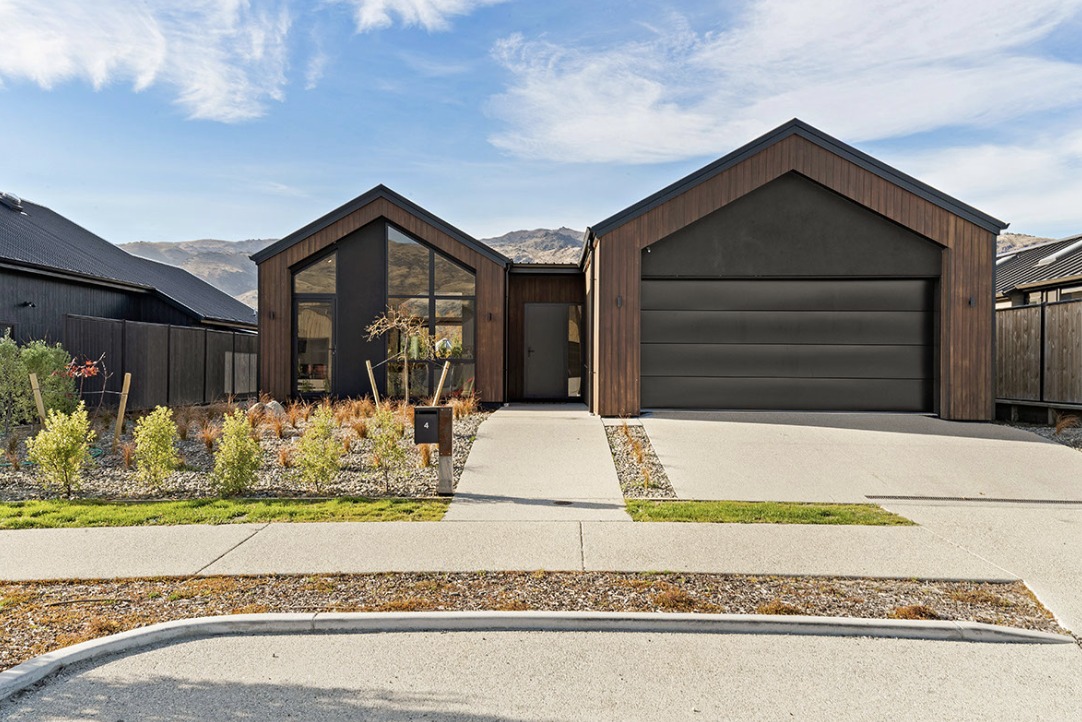
GH Builders USA Houston

For buyers, lower maintenance requirements translate into reduced ownership expenses and greater peace of mind. This added value can positively influence resale prices.

Future-Proofing Against Rising Energy Costs

Energy prices can fluctuate significantly over time. Homes designed with energy efficiency in mind are better positioned to withstand future increases in utility costs.

Future-Proofing Against Rising Energy Costs

Features such as solar readiness, advanced insulation, and smart energy management systems help homeowners maintain affordability for years to come. Buyers often view these advantages as a worthwhile investment, increasing the property’s appeal and value.

Environmental Benefits That Matter

Many Atlanta homebuyers are seeking ways to reduce their environmental footprint without sacrificing comfort or style. Green homes support sustainable living through reduced energy use, lower carbon emissions, and responsible resource management.

As environmental awareness continues to grow, homes that align with these values are likely to remain in demand and retain strong market appeal.

Why Atlanta Is Ideal for Green Home Construction

Atlanta’s climate presents unique opportunities for energy-efficient home design. Proper insulation, efficient cooling systems, and smart home technologies can significantly improve year-round comfort while reducing energy consumption.

With increasing demand for sustainable housing and a growing focus on energy efficiency, Atlanta homeowners are well-positioned to benefit from green home construction both today and in the future.

GH Builders Congress

Green homes offer far more than environmental benefits. They provide lower operating costs, enhanced comfort, improved durability, and stronger buyer appeal—all factors that can contribute to increased property value.

For Atlanta homeowners and prospective buyers, investing in a green home is a smart long-term strategy that delivers financial, lifestyle, and environmental advantages. As the demand for sustainable living continues to grow, green homes are likely to remain one of the most valuable investments in Atlanta’s evolving housing market.

Atlanta’s Shift Toward Energy-Efficient Green Homes

Healthy Home Features Houston Families Want in 2026

A healthy home is about more than energy efficiency and attractive design. For many Houston families, indoor air quality has become a top priority when building a new home. Since people spend a significant amount of time indoors, the quality of the air inside a home can directly impact comfort, health, and overall well-being.

Houston’s warm, humid climate presents unique challenges when it comes to maintaining healthy indoor air. Excess moisture, allergens, pollutants, and poor ventilation can all affect indoor environments. That’s why modern homebuyers are increasingly looking for homes designed with advanced indoor air quality features.

Why Indoor Air Quality Matters

Indoor air can contain a variety of contaminants, including:

  • Dust and dust mites
  • Pollen and outdoor allergens
  • Pet dander
  • Mold spores
  • Volatile Organic Compounds (VOCs)
  • Household chemicals and cleaning products

Poor indoor air quality can contribute to allergies, respiratory irritation, headaches, and discomfort. Families with young children, seniors, or individuals with asthma often place even greater importance on creating a healthier indoor environment.

Advanced Ventilation Systems

One of the most sought-after features in healthy homes is proper ventilation. Modern airtight homes are highly energy-efficient, but they also require effective systems to bring in fresh air while removing stale indoor air.

Mechanical ventilation systems help:

  • Improve airflow throughout the home
  • Reduce indoor pollutants
  • Control humidity levels
  • Deliver a steady supply of fresh outdoor air

GH Builders USA

Balanced ventilation solutions can improve indoor comfort while maintaining energy efficiency.

High-Performance Air Filtration

Houston homeowners are increasingly interested in advanced air filtration systems that go beyond standard HVAC filters.

High-performance filtration can help remove:

  • Airborne dust particles
  • Pollen and allergens
  • Pet dander
  • Fine particulate matter

Better filtration supports cleaner indoor air and can be particularly beneficial during allergy seasons when outdoor pollen levels are high.

Humidity Control for Houston’s Climate

Houston’s humid weather creates conditions that can encourage mold growth and moisture-related issues if not properly managed.

Effective humidity control helps:

  • Reduce mold and mildew risks
  • Improve indoor comfort
  • Protect building materials
  • Support healthier air quality

Many modern homes incorporate HVAC systems and ventilation strategies designed specifically to maintain balanced indoor humidity levels year-round.

Low-VOC Building Materials

Building materials and finishes can have a significant impact on indoor air quality. Traditional paints, adhesives, flooring products, and cabinetry may release VOCs into the air over time.

Many Houston families now prefer homes built with:

  • Low-VOC paints and coatings
  • Low-emission flooring materials
  • Environmentally responsible adhesives
  • Sustainable cabinetry and finishes

These materials help reduce indoor pollutants while creating a healthier living environment.

Mold-Resistant Construction Practices

Because humidity is a constant concern in Houston, mold prevention is an important part of healthy home design.

Builders can help reduce risks by incorporating:

  • Moisture-resistant materials
  • Proper drainage systems
  • Effective building envelopes
  • Adequate ventilation
  • Smart moisture management strategies

Preventing moisture problems from the beginning is often far more effective than addressing them after construction.

Airtight Construction with Fresh Air Exchange

Modern healthy homes often combine airtight construction with controlled ventilation systems. This approach helps prevent outdoor pollutants and unwanted moisture from entering the home while ensuring a continuous supply of fresh, filtered air.

The result is:

  • Improved energy efficiency
  • Better indoor comfort
  • Cleaner air
  • Reduced drafts and temperature fluctuations

This balance is becoming a key feature for homeowners seeking both sustainability and wellness.

Smart Home Air Quality Monitoring

Technology is playing an increasing role in healthy home design. Smart air quality monitoring systems allow homeowners to track indoor conditions in real time.

These systems can monitor:

  • Humidity levels
  • Airborne particles
  • Temperature
  • Carbon dioxide levels
  • Overall air quality performance

With instant feedback, homeowners can make adjustments to maintain optimal indoor conditions.

Health and Comfort for the Whole Family

The demand for healthier homes continues to grow as families become more aware of the connection between indoor environments and overall wellness. Features that improve indoor air quality not only support better health but also enhance comfort, energy efficiency, and long-term home performance.

GH Builders USA project

For Houston homeowners, investing in proper ventilation, humidity control, air filtration, and healthy building materials can create a home that feels fresher, cleaner, and more comfortable every day.

Building Healthier Homes for the Future

As homebuilding trends evolve, indoor air quality is becoming just as important as energy efficiency and design. Houston families are increasingly seeking homes that promote wellness, reduce indoor pollutants, and provide a healthier living environment for years to come.

By incorporating advanced air quality features into the design and construction process, builders can create homes that support both sustainability and the health of the people who live in them. A healthy home is not simply a trend—it is an investment in long-term comfort, well-being, and quality of life.

Green Homes Design - Ewing

The Hidden Costs of Ignoring Climate When Building a Home

Building a new home is one of the biggest investments you’ll ever make. While many homeowners focus on floor plans, finishes, and budgets, one critical factor is often overlooked: climate. Designing a home without considering local weather conditions can lead to higher costs, reduced comfort, and ongoing maintenance issues for years to come.

GH Builders USA - Sustainable Homes Are Rising Fast in the USA

Whether you’re building in a hot, humid region, a coastal area, or a location with cold winters, climate-responsive design plays a major role in your home’s long-term performance. Ignoring it can create hidden expenses that significantly impact your finances and lifestyle.

Higher Energy Bills

One of the most immediate consequences of ignoring climate is increased energy consumption. A home that is not designed for its local environment will rely heavily on heating and cooling systems to maintain comfortable indoor temperatures.

For example:

  • Large west-facing windows can increase heat gain in hot climates.
  • Poor insulation can allow heat to escape during winter.
  • Inadequate shading can make homes uncomfortable during summer months.
  • Air leaks can reduce the efficiency of heating and cooling systems.

Atlanta’s Shift Toward Energy-Efficient Green Homes

Over time, these issues can result in substantially higher utility bills compared to a climate-responsive home.

Increased Wear and Tear on HVAC Systems

When a home’s design works against the climate, heating and cooling systems must operate more frequently and for longer periods.

This can lead to:

  • Higher maintenance costs
  • More frequent repairs
  • Reduced equipment lifespan
  • Earlier replacement of HVAC units

GH Builders USA Houston

A well-designed home reduces the workload on these systems, helping them operate more efficiently and last longer.

Moisture and Mould Problems

Climate considerations are especially important in regions with high humidity or significant rainfall. Without proper ventilation, moisture management, and building materials suited to local conditions, homes can develop serious moisture-related issues.

Potential consequences include:

  • Mould growth
  • Structural damage
  • Indoor air quality concerns
  • Health issues for occupants

Addressing these problems after construction can be costly and disruptive.

Reduced Indoor Comfort

A home may look beautiful on paper but feel uncomfortable to live in if climate is not considered during the design process.

Common comfort issues include:

  • Rooms that are too hot in summer
  • Cold areas during winter
  • Excessive glare from sunlight
  • Poor airflow and ventilation
  • Uneven temperatures throughout the home

Climate-responsive design helps create a more comfortable living environment without relying solely on mechanical systems.

Premature Building Material Deterioration

Different climates place unique demands on building materials. Materials that perform well in one region may deteriorate quickly in another.

Examples include:

  • Coastal environments causing corrosion from salt exposure
  • High UV levels fading exterior finishes
  • Heavy rainfall damaging unsuitable cladding systems
  • Extreme temperature fluctuations causing expansion and contraction

Selecting materials suited to local climate conditions can reduce maintenance requirements and extend the life of the home.

Lower Resale Value

Today’s homebuyers are increasingly aware of energy efficiency, sustainability, and long-term operating costs. Homes that perform poorly in local climate conditions may be less attractive to future buyers.

Properties with climate-responsive features often benefit from:

  • Lower running costs
  • Better energy ratings
  • Improved comfort
  • Stronger market appeal

Ignoring climate can reduce a home’s competitiveness in the property market.

Missed Opportunities for Passive Design

Passive design uses natural elements such as sunlight, shade, insulation, and airflow to regulate indoor temperatures. When climate is considered early in the planning process, homeowners can take advantage of these free and effective strategies.

Benefits of passive design include:

  • Reduced energy use
  • Lower operating costs
  • Improved year-round comfort
  • Greater environmental sustainability

Once construction is complete, many passive design opportunities become difficult or expensive to implement.

Higher Long-Term Ownership Costs

While climate-responsive design may require careful planning during the initial stages of a project, it often results in significant savings over the life of the home.

Ignoring climate can lead to ongoing expenses such as:

  • Increased utility bills
  • Frequent repairs
  • Higher maintenance costs
  • Premature system replacements
  • Reduced building durability

These costs can add up to tens of thousands of dollars over the lifespan of a home.

Build for the Climate, Build for the Future

A home should be designed to work with its environment, not against it. By considering local climate conditions from the start, homeowners can create a more comfortable, durable, and energy-efficient home that performs well for decades.

GH Builders USA Houston

Climate-responsive design is not simply a sustainability feature—it is a practical investment that reduces long-term costs and improves everyday living. When building a new home, understanding the climate should be one of the first steps in the design process, helping you avoid hidden costs and maximize the value of your investment.

Start Your Texas Home Build With the Right Floor Plan

Building a new home in Texas is one of the most exciting investments you can make. Whether you’re creating your forever family home, downsizing for retirement, or building on acreage, the right house plan will shape how you live for years to come.

GH Builders USA - Sustainable Homes Are Rising Fast in the USA

Texas offers incredible opportunities for homeowners — larger lots, flexible designs, outdoor living, and homes tailored to the climate and lifestyle. But before construction begins, the most important step is choosing the right floor plan for your needs.

A beautiful home starts with a smart design.

Why Your House Plan Matters

Your home plan is more than just a layout. It affects:

  • Your daily comfort
  • Energy efficiency
  • Construction costs
  • Future resale value
  • Family functionality
  • Natural light and airflow
  • Long-term maintenance

The right design can help you save money, maximize your land, and create a home that truly fits your lifestyle.

Think About How You Live

Before selecting a house plan, think about how your family uses space every day.

Ask yourself:

  • Do you need open-plan living?
  • How many bedrooms and bathrooms will you need?
  • Will you work from home?
  • Do you want outdoor entertaining areas?
  • Will your family grow in the future?
  • Do you need extra storage or a large garage?
  • Do you prefer single-storey or double-storey living?

A well-designed plan should support your lifestyle today while remaining practical for the future.

Consider Texas Climate and Energy Efficiency

Texas weather can vary dramatically depending on where you build. Summers can be extremely hot, making energy efficiency a major factor when choosing your home design.

Look for plans that include:

  • Natural ventilation
  • Energy-efficient windows
  • Proper insulation
  • Covered outdoor areas
  • Smart home orientation
  • Sustainable building materials
  • Solar-ready roof designs

An energy-efficient home can reduce electricity costs while making your home more comfortable year-round.

Choose a Design That Fits Your Land

Not every house plan works on every block.

Before finalizing your design, consider:

  • Lot size and shape
  • Slope of the land
  • Sun orientation
  • Local building regulations
  • HOA requirements
  • Access and driveway placement
  • Views and privacy

A home plan should complement your property, not fight against it.

Popular Home Styles in Texas

Texas homeowners often choose designs that combine comfort, practicality, and strong street appeal.

Popular styles include:

  • Modern Farmhouse. A timeless favorite featuring open spaces, large porches, and warm finishes.
  • Contemporary Homes. Clean lines, large windows, and minimalist design with energy-efficient features.
  • Ranch-Style Homes. Perfect for spacious lots and easy single-level living.
  • Luxury Acreage Homes. Designed for larger properties with expansive outdoor entertaining spaces.
  • Sustainable and Green Homes. Focused on energy efficiency, healthier living, and lower running costs.

Plan for the Future

A home is a long-term investment, so it’s important to think ahead.

You may want to include:

  • Flexible living areas
  • Guest accommodation
  • Aging-in-place features
  • Multi-generational living spaces
  • Home office or study areas
  • Future outdoor additions
  • Building with future needs in mind can save significant renovation costs later.

Work With the Right Builder and Designer

Choosing the right builder is just as important as choosing the right floor plan.

A quality builder can help you:

  • Customize your plan
  • Improve energy performance
  • Stay within budget
  • Navigate permits and approvals
  • Select practical finishes and materials
  • Look for builders experienced in Texas home construction and familiar with local climate conditions and regulations.

Final Thoughts

If you’re planning to build a new home in Texas, start with a plan that matches your lifestyle, land, and long-term goals.

The right house plan creates the foundation for a home that is comfortable, energy-efficient, functional, and built to last.

Take the time to explore different layouts, think about your future needs, and work with professionals who understand what makes a Texas home truly work.

Because building your dream home starts with choosing the right design.